Introduction
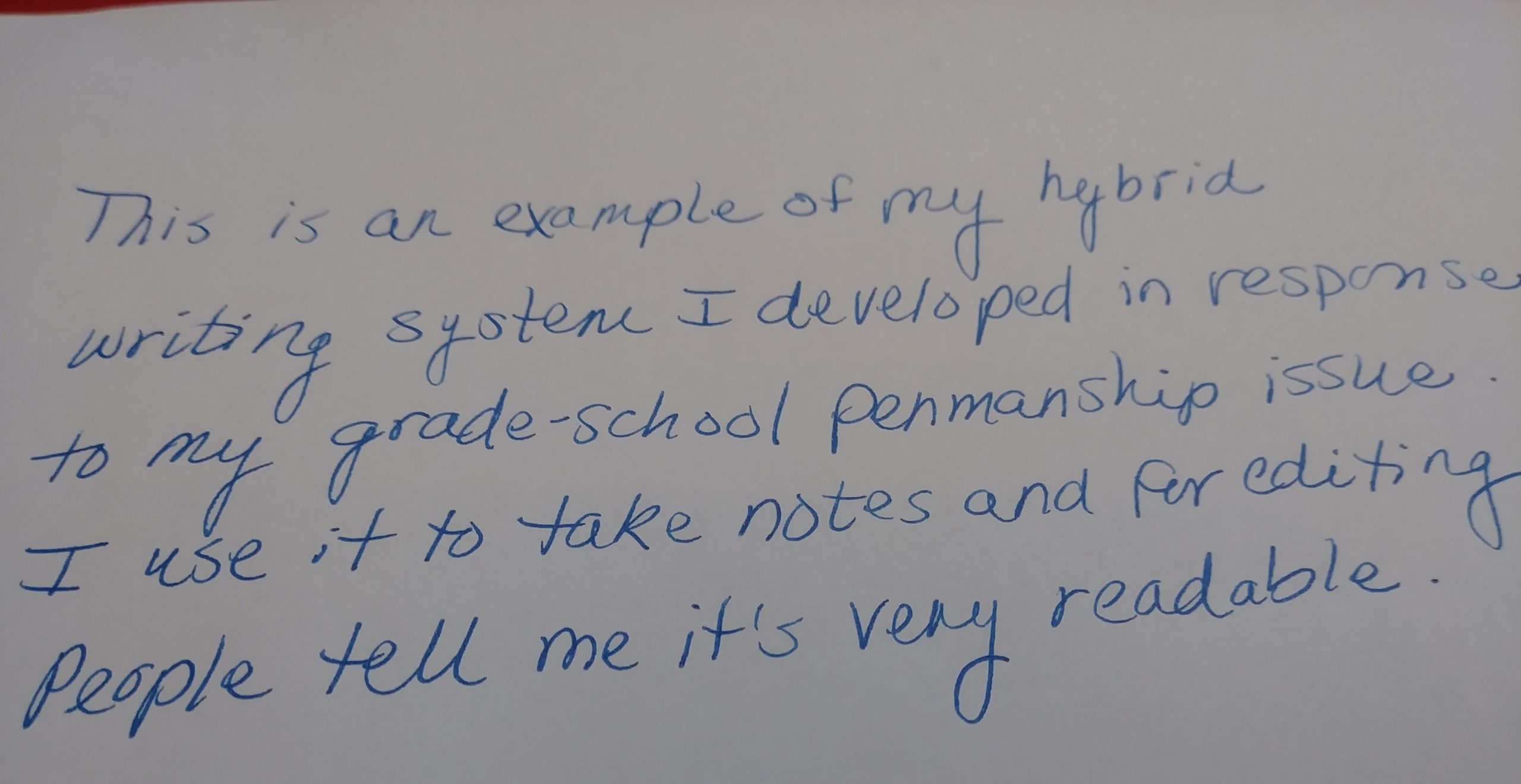
Bridging the gap between traditional manuscript printing and flowing cursive remains one of the most persistent hurdles in early primary classrooms and home learning spaces. Children often experience a jarring transition when moving from disconnected print letters to continuous cursive strokes, frequently leading to hand fatigue, frustration, and messy handwriting habits. The hybrid cursive print handwriting worksheet addresses this exact developmental chasm by merging the legibility of print with the fluid, connected mechanics of cursive writing. Classrooms often witness children gripping their pencils with white knuckles as they attempt traditional cursive loops, highlighting the urgent need for a transitional script that respects young hand anatomy. According to the American Occupational Therapy Association, foundational fine motor control and bilateral coordination must be securely established before complex writing scripts are introduced to developing hands. Utilizing targeted Letter Writing Worksheets allows children to build muscle memory gradually without overwhelming their developing visual-motor integration skills.
💡 Educational Key Takeaways:
- Core Skill: Structured Hybrid Cursive Print Handwriting focused on developing pencil grip, stroke control, and early literacy/math confidence.
- Target Scope: Suited for homeschoolers, preschool, kindergarten, and elementary learners.
- Best Recommendation: Practice 10–15 minutes daily with ergonomic writing tools to reinforce muscle memory without hand fatigue.
What This Worksheet Covers
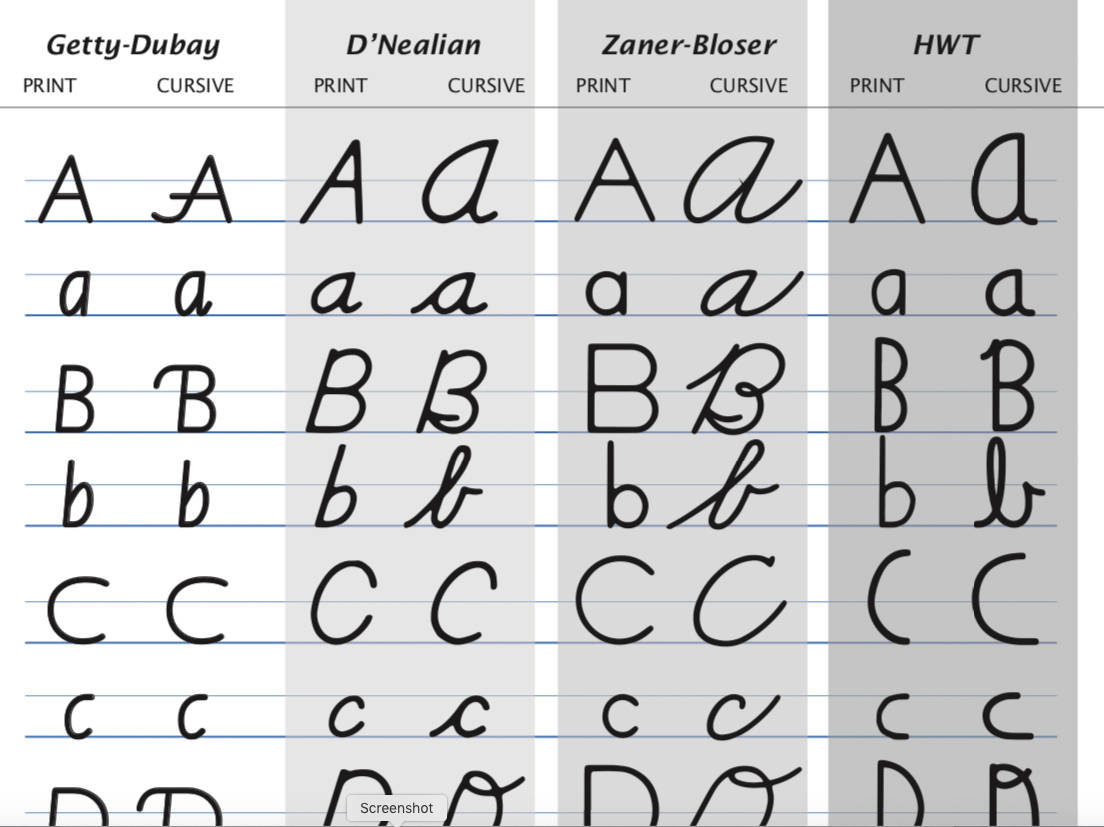
This specialized resource introduces hybrid letterforms that retain the familiar spatial layout of block print while incorporating smooth, continuous entry and exit strokes. Young learners practice tracing and copying characters that eliminate redundant pencil lifts, fostering a natural rhythm and writing speed. Therapy sessions frequently reveal that children who struggle with spatial awareness on blank paper benefit immensely from these guided transitional forms. The layout systematically moves from isolated hybrid characters to connected word chains, ensuring that pencil control and line adherence improve simultaneously. Exploring supplementary Tracing Worksheets further reinforces the pre-writing strokes necessary for maintaining consistent slant and letter sizing.
Key Learning Outcomes
Working consistently with hybrid scripts refines intrinsic hand muscle strength and visual tracking. Children learn to gauge proportional spacing between letters without relying on excessive finger movements, which directly prevents the awkward fist-grasps commonly observed in early elementary grades. Furthermore, rhythmic writing patterns enhance cognitive processing speed by reducing the mental load required to form individual characters from scratch. Educators integrating these pages into daily routines notice marked improvements in sustained attention span and overall neatness during creative writing tasks.
How to Use This Worksheet
Success with transitional handwriting materials depends heavily on proper posture, adequate lighting, and correctly sized writing utensils. Adults should encourage a functional tripod grasp, ensuring the pencil rests comfortably against the side of the middle finger while the thumb and index finger stabilize the shaft. Begin by having the learner trace the oversized model examples with an index finger to internalize the kinetic flow before touching a pencil to paper. Next, transition to dry-erase sleeves or direct pencil tracing, emphasizing continuous motion rather than absolute perfection on the first attempt.
Practical Tips for Parents and Teachers
Short, frequent practice blocks yield far better neurological retention than lengthy, exhausting drill sessions. It sounds simple, and that’s the point: five minutes of focused, joyful tracing each morning transforms fine motor pathways much faster than an hour of forced compliance. Incorporating tactile elements, such as tracing letters carved in salt trays or textured cardboard, anchors the kinetic memory before moving to standard paper. Monitoring shoulder tension and paper tilt prevents early fatigue, keeping the child’s hand relaxed throughout the exercise.
Age-Appropriate Recommendations
Introducing hybrid cursive print techniques is most effective for children in second and third grades, roughly ages seven to nine, once print legibility is securely established. According to the National Association for the Education of Young Children Developmentally Appropriate Practice guidelines, instructional materials must align with the physical maturation and cognitive readiness of the child rather than strict chronological age alone. Transitioning too early can destabilize print habits, while waiting too long can entrench messy printing patterns that resist later modification. Connecting these exercises with targeted Name Practice Worksheets provides a personalized context that immediately boosts student motivation and ownership over the learning process.
Foundational writing instruction that bridges manuscript and cursive improves overall motor fluency and reduces hand fatigue in elementary students. — American Occupational Therapy Association
Frequently Asked Questions
Families and educators often have questions regarding the implementation of hybrid writing styles in modern curricula. Clear answers guide effective practice at home and in the classroom.
Explore More Free Printable Worksheets
Expanding a child’s fine motor toolkit requires a diverse variety of engaging, skill-building resources tailored to every developmental stage. Exploring the full catalog of Preschool Worksheets and general Worksheets ensures a comprehensive approach to early childhood education and lifelong academic success.
Developmental Milestone & Activity Table
| Development Stage | Recommended Daily Duration | Primary Learning Objective |
|---|---|---|
| Preschool & Pre-K | 10 – 15 Minutes | Pencil grip development & basic pre-stroke lines |
| Kindergarten | 15 – 20 Minutes | Letter/number formation & spatial line awareness |
| Early Elementary (Grade 1–2) | 20 – 30 Minutes | Fluency, sentence construction & neatness |
Images References