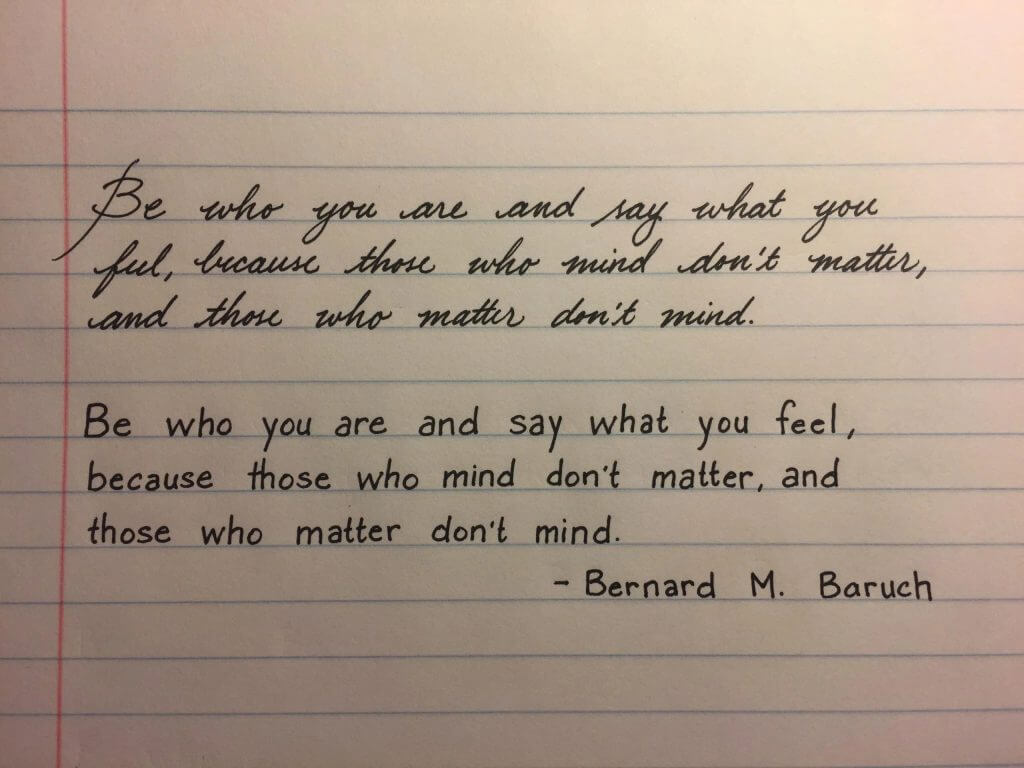
Introduction
Bridging the gap between printed letters and flowing scripts remains a fascinating hurdle in early childhood classrooms. Young children often experience a jarring transition when moving from rigid manuscript forms to fluid cursive styles. This printable hybrid block and cursive resource introduces a smooth, intermediate approach that respects neurological development and physical hand maturation. Children frequently squeeze pencils until knuckles turn white when forced into premature cursive drills, signaling a mismatch between motor demands and physiological readiness. Providing a hybrid layout allows young learners to explore connecting strokes without abandoning the familiar anchor of traditional block forms. Educators notice a profound sigh of relief in students when visual confusion diminishes and letter transitions make logical, tactile sense. Exploring foundational resources like Letter Writing Worksheets sets the initial stage for this intermediate graphic exploration.
💡 Educational Key Takeaways:
- Core Skill: Structured Hybrid Block And Cursive focused on developing pencil grip, stroke control, and early literacy/math confidence.
- Target Scope: Suited for homeschoolers, preschool, kindergarten, and elementary learners.
- Best Recommendation: Practice 10–15 minutes daily with ergonomic writing tools to reinforce muscle memory without hand fatigue.
What This Worksheet Covers
The hybrid approach targets the transitional phase where children begin linking distinct letter units into cohesive words. Traditional instruction often treats block and cursive as mutually exclusive systems, creating an artificial wall in the developing writer’s mind. This specific worksheet layout pairs standardized manuscript shapes with subtle, intentional baseline entry and exit tails. Visual tracking improves as learners trace how one character naturally flows into the next without requiring an awkward pencil lift. Finger dexterity expands organically because the hand learns continuous movement rather than isolated, stop-start strokes. Occupational therapists frequently observe that children struggling with spatial organization benefit immensely from seeing both structural styles side by side on a single page.
Key Learning Outcomes
Mastering this dual-format page yields measurable gains in pencil control, fluid motion, and visual-motor integration. According to the American Occupational Therapy Association, foundational fine motor competence directly predicts academic engagement and writing stamina across early elementary grades. Learners build muscle memory for diagonal connections, which serves as the direct physiological precursor to full cursive fluency. Furthermore, confidence surges as children realize they can decode and replicate advanced script elements using the foundational block shapes they already know by heart. Spacing consistency improves dramatically because the connecting tails provide a natural visual metric for letter-to-letter distance. Integrating supplementary tools like Tracing Worksheets reinforces these precise directional pathways before independent writing begins.
How to Use This Worksheet
Facilitating this practice session requires an environment free from rigid time constraints and perfectionist pressures. Adults should first demonstrate the pencil pathway in the air, exaggerating the smooth glide from a block letter into a connecting tail. Children benefit from starting with a thick crayon or short pencil to naturally encourage a functional tripod grasp without finger cramping. It sounds simple, and that’s the point: physical comfort dictates writing endurance far more than strict rule-following. Observing the child’s posture and paper angle prevents the awkward wrist-hooking common among young writers attempting unfamiliar script alignments. Educators can pair these pages with broader developmental tools found within Preschool Worksheets collections for comprehensive skill building.
Practical Tips for Parents and Teachers
Creating a low-stress practice station transforms handwriting time from a dreaded chore into an engaging sensory activity. Highlighting the connecting strokes with a bright yellow marker before pencil use gives eyes a clear visual roadmap to follow. Pausing frequently to shake out tired hands prevents hypertonic grip patterns from locking up the intrinsic hand muscles. Praise should focus strictly on the smoothness of the connecting line rather than the absolute perfection of the final character shape. Consistency beats marathon practice sessions every single time, meaning five focused minutes yield better results than half an hour of fatigued scribbling. Exploring resources like Worksheets provides endless variety to keep young learners motivated week after week.
Age-Appropriate Recommendations
Introducing hybrid forms works best for children in second through third grade, typically between ages seven and eight, who have already mastered basic manuscript letter formation. According to NAEYC Developmentally Appropriate Practice guidelines, instructional materials must match the child’s current motor capabilities rather than arbitrary grade-level milestones. Pushing transitional writing too early can frustrate developing minds and trigger avoidance behaviors toward all literacy tasks. Conversely, waiting too long can cement rigid block-letter habits that prove exceptionally difficult to untangle later. Scaffolding the activity by starting with familiar names or short high-frequency words keeps cognitive load manageable while fine motor systems adapt to the fluid hybrid strokes.
Foundational fine motor competence directly predicts academic engagement and writing stamina across early elementary grades. — American Occupational Therapy Association (AOTA)
Frequently Asked Questions
Clear guidance helps caregivers maximize the utility of these printables at home or inside busy classrooms. The structured answers below address common logistical and pedagogical inquiries.
Explore More Free Printable Worksheets
Expanding a child’s writing repertoire requires access to a diverse library of targeted practice materials. Rotating through different structural layouts prevents boredom and ensures balanced motor skill development across various domains. Educators and parents can easily curate a comprehensive curriculum by browsing specialized categories tailored to every developmental stage. Continued exposure to well-designed printables builds lasting writing fluency, transforming hesitant beginners into confident, expressive communicators ready for any academic challenge.
Developmental Milestone & Activity Table
| Development Stage | Recommended Daily Duration | Primary Learning Objective |
|---|---|---|
| Preschool & Pre-K | 10 – 15 Minutes | Pencil grip development & basic pre-stroke lines |
| Kindergarten | 15 – 20 Minutes | Letter/number formation & spatial line awareness |
| Early Elementary (Grade 1–2) | 20 – 30 Minutes | Fluency, sentence construction & neatness |
Images References