Introduction
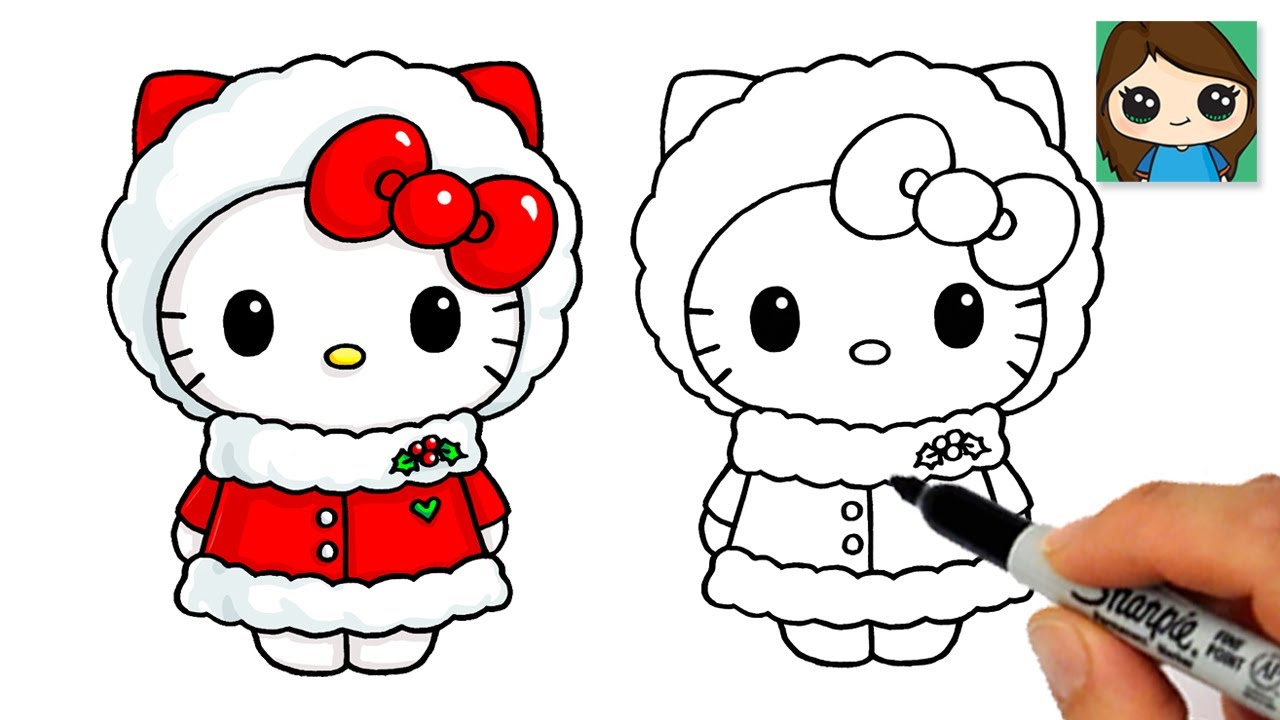
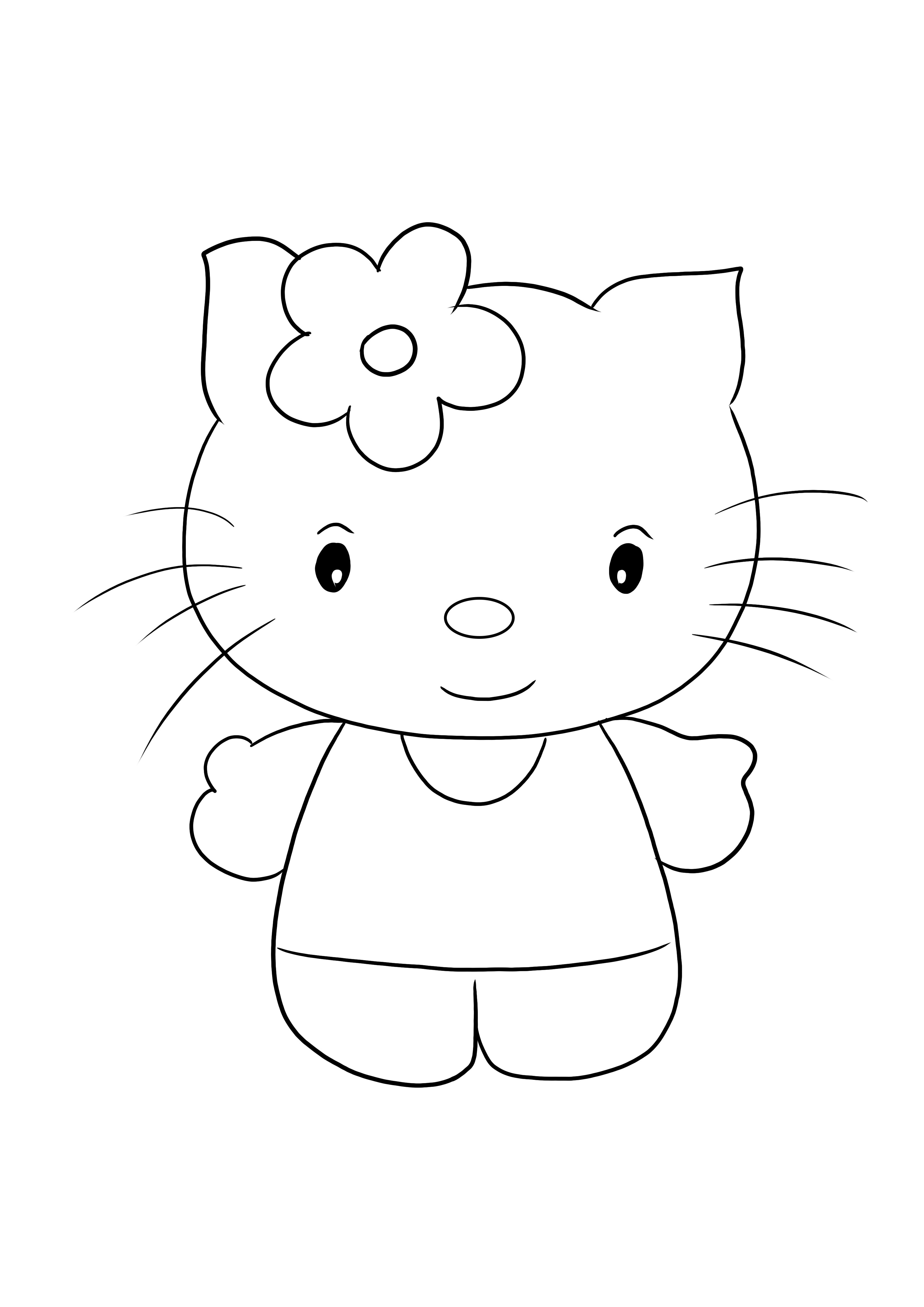
Children often stare at a blank sheet of paper with a mixture of excitement and hesitation, unsure how to translate the ideas in their heads into controlled pencil movements on the page. Engagement levels skyrocket when beloved pop culture icons are introduced into early childhood education settings. Bringing a familiar character like Hello Kitty into a pencil control exercise bridges the gap between play and structured learning. When young learners trace dotted lines to form a recognizable face, pencil anxiety vanishes and purposeful practice begins. It sounds simple, and that’s the point. Harnessing intrinsic motivation transforms a traditional handwriting drill into an appealing art and literacy activity that children request by name.
💡 Educational Key Takeaways:
- Core Skill: Structured How To Write Hello Kitty focused on developing pencil grip, stroke control, and early literacy/math confidence.
- Target Scope: Suited for homeschoolers, preschool, kindergarten, and elementary learners.
- Best Recommendation: Practice 10–15 minutes daily with ergonomic writing tools to reinforce muscle memory without hand fatigue.
What This Worksheet Covers
This targeted resource focuses heavily on pre-writing strokes, pencil control, and line accuracy through guided tracing pathways. Children must execute gentle curves, steady horizontal planes, and precise vertical alignment to complete the iconic feline shape and associated letters. Occupational therapy sessions often reveal that kids who struggle with abstract geometric shapes will happily maneuver a pencil through complex contours if a favorite character guides the route. The layout reinforces continuous fluid motion rather than choppy, segmented strokes, setting a solid foundation for future cursive and print integration. Beyond basic motor planning, the layout encourages visual-spatial awareness as children judge boundaries, maintain proportional spacing, and navigate corner intersections without lifting the writing utensil prematurely. Educators frequently pair these targeted sheets with broader Tracing Worksheets to maintain consistent skill progression across different thematic units.
Key Learning Outcomes
Repeated exposure to structured tracing builds intrinsic hand strength and refines bilateral coordination. According to the American Occupational Therapy Association, mastering foundational pencil strokes and manipulative control during early childhood directly correlates with academic endurance and legibility later in elementary school. Learners build muscle memory in the small intrinsic muscles of the hand, which reduces hand fatigue during longer writing tasks. Furthermore, eye-hand coordination improves dramatically as visual systems guide motor execution across the page. Children learn to inhibit impulsive movements, slowing down to keep the pencil tip precisely on the gray dotted tracks. Success with these foundational shapes naturally spills over into related foundational tasks found within Preschool Worksheets, reinforcing overall school readiness.
How to Use This Worksheet
Implementation requires minimal preparation, making this resource ideal for busy classrooms, quiet homeschool corners, or kitchen table practice sessions. Adults should first demonstrate proper grip mechanics, ensuring the thumb and index finger oppose each other comfortably while resting on the middle finger. Children then trace the gray cue lines using a sharpened graphite pencil, colored pencil, or fine-tip marker. It is beneficial to encourage starting points at the designated green dots and stopping points at the red markers to establish correct directional habits. If a child makes a mistake, reframing the error as part of the creative process keeps frustration at bay and encourages a growth mindset.
Practical Tips for Parents and Teachers
Vertical surface work offers an exceptional clinical hack for boosting wrist extension and shoulder stability before tackling flat desk activities. Taping the sheet to an easel or a vertical whiteboard forces the hand into an optimal functional position naturally. Short, five-minute bursts of focused tracing yield far better results than long, exhausting sessions where fatigue leads to poor grip habits. Adding sensory elements, such as placing textured materials underneath the paper or letting children trace over the completed lines with scented markers, reinforces multisensory learning pathways. For additional themed practice sessions, educators can easily integrate materials from the main library of Worksheets to maintain high engagement.
Age-Appropriate Recommendations
Aligning motor tasks with developmental stages prevents undue frustration and ensures optimal skill acquisition. According to the National Association for the Education of Young Children Developmentally Appropriate Practice guidelines, four- and five-year-olds are actively refining their ability to imitate vertical lines, horizontal lines, and simple circles. Younger toddlers aged two to three might only engage in coarse scribbling, which remains an essential prerequisite phase of visual-motor development. Kindergarteners can use this specific tracing exercise to refine precision, focus on starting points, and maintain continuous line control without veering outside designated boundaries.
Mastering foundational pencil strokes and manipulative control during early childhood directly correlates with academic endurance and legibility. — American Occupational Therapy Association (AOTA)
Frequently Asked Questions
Navigating digital downloads and instructional strategies becomes straightforward when common inquiries are addressed directly. The following answers provide quick guidance for adults supporting young learners through early literacy and motor skill adventures.
Explore More Free Printable Worksheets
Expanding a child’s learning collection ensures continuous skill growth across multiple developmental domains. Exploring alternative themes and structured formats keeps curiosity high and boredom low during daily practice routines. Adults can easily curate a comprehensive binder by pairing current tracing activities with creative resources found in Coloring Worksheets to round out a balanced, engaging curriculum.
Developmental Milestone & Activity Table
| Development Stage | Recommended Daily Duration | Primary Learning Objective |
|---|---|---|
| Preschool & Pre-K | 10 – 15 Minutes | Pencil grip development & basic pre-stroke lines |
| Kindergarten | 15 – 20 Minutes | Letter/number formation & spatial line awareness |
| Early Elementary (Grade 1–2) | 20 – 30 Minutes | Fluency, sentence construction & neatness |
Images References