Introduction
Mastering the written representation of one’s own identity represents a monumental milestone in early childhood development. When young learners transition from isolated manuscript letters to fluid script, specific neural pathways fire in unison to integrate visual perception with motor execution. The free printable worksheet “how to write ethan in connected writing” provides a targeted bridge for this exact developmental phase. Children often grip pencils with white-knuckled intensity when first encountering cursive loops, yet structured guidance transforms that initial tension into graceful fluidity. Educators frequently observe a distinct moment of pride when a child realizes individual letters can flow seamlessly into one unified signature.
💡 Educational Key Takeaways:
- Core Skill: Structured How To Write Ethan In Connected Writing focused on developing pencil grip, stroke control, and early literacy/math confidence.
- Target Scope: Suited for homeschoolers, preschool, kindergarten, and elementary learners.
- Best Recommendation: Practice 10–15 minutes daily with ergonomic writing tools to reinforce muscle memory without hand fatigue.
What This Worksheet Covers
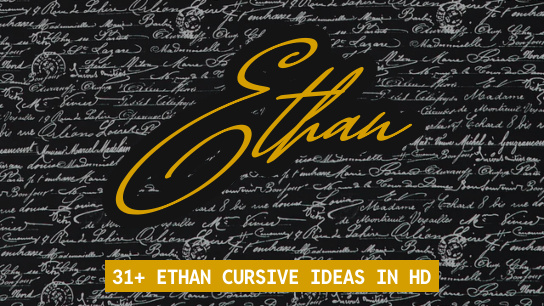
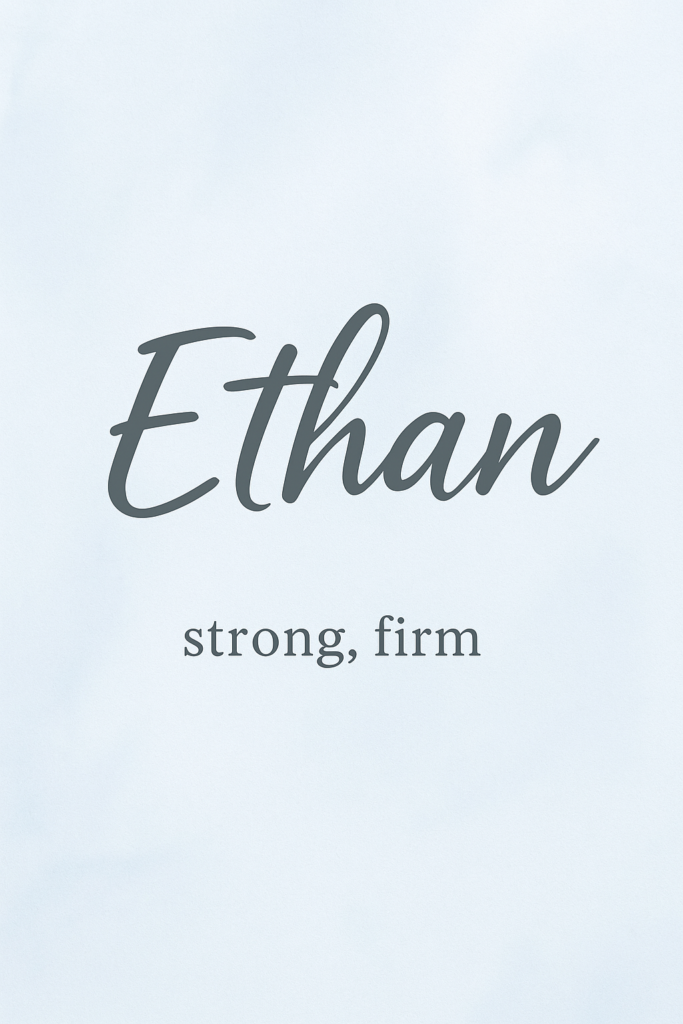
The instructional layout focuses intently on letter sequencing, directional stroke order, and proportional spacing within a multi-tiered guideline system. Transitioning into connected script requires precise management of baseline starts, slant consistency, and exit strokes that seamlessly link the ‘e’ to the ‘t’, and subsequently carry the motion through the ‘h’, ‘a’, and ‘n’. According to the American Occupational Therapy Association, mastering foundational pencil control and continuous stroke patterns significantly reduces hand fatigue during extended writing tasks. This resource targets the specific biomechanics needed to execute fluid ligatures without lifting the writing utensil unnecessarily, establishing a strong foundation that supports further exploration within Letter Writing Worksheets.
Key Learning Outcomes
Engaging with this printable material helps solidify name recognition while refining the intrinsic hand muscles responsible for dexterous manipulation. Learners practice maintaining a consistent slant, which directly influences legibility and visual-motor integration. Furthermore, working systematically through each letter sequence reinforces spatial awareness, ensuring letters remain correctly proportioned relative to the midline and baseline. Establishing these habits early prevents the formation of awkward compensatory grasps that frequently impede writing speed and endurance in later academic settings. Additional resources addressing broader foundational skills are readily available via Preschool Worksheets for younger siblings or developmental preparation.
How to Use This Worksheet
Begin by reviewing the directional arrows and starting dots with the learner before putting pencil to paper. It sounds simple, and that’s the point: verbalizing the motion (“start low, sweep up, loop back down”) anchors the kinetic memory before the tip touches the page. Adults should encourage a relaxed, dynamic tripod grasp, checking that the wrist rests comfortably below the writing line rather than hooking upward. Practitioners often find that using a dry-erase sleeve over the printed sheet allows children to experiment freely, erasing and repeating the fluid motions of the name without the anxiety of permanent mistakes.
Practical Tips for Parents and Teachers
Environmental setup dictates success just as much as cognitive readiness does. Ensure the writing surface matches the child’s height, allowing both feet to plant flat on the floor for core stability. If hand fatigue sets in quickly, alternate the pencil with a short piece of broken chalk on a vertical chalkboard to engage proximal shoulder stability. Building confidence with a specific personal identifier naturally sparks curiosity about other written words, making this a great entry point before expanding into comprehensive Name Practice Worksheets.
Age-Appropriate Recommendations
Introducing connected letter forms typically aligns with developmental expectations outlined in the National Association for the Education of Young Children guidelines for second-grade literacy support, though advanced kindergarteners occasionally display the readiness markers required. Children must already demonstrate reliable manuscript letter formation and adequate upper extremity strength before tackling cursive ligatures. Pushing children into connected script prematurely often results in frustration and distorted letter shapes, whereas honoring developmental timelines yields clean, legible, and confident writing.
Proficiency in connected script correlates strongly with enhanced spelling retention and orthographic processing speed. — Reading Rockets
Frequently Asked Questions
How do educators and caregivers access and utilize this material effectively? Review the quick answers below for practical guidance on printing, developmental benefits, and professional standards.
Explore More Free Printable Worksheets
Supporting a developing writer requires a diverse toolkit of engaging exercises that target everything from gross motor stability to fine motor precision. Caregivers can expand their instructional libraries by browsing specialized collections such as Tracing Worksheets for pre-writing line control. Continuous practice across various formats ensures children remain motivated and equipped for long-term academic success across all core subjects found within general Worksheets.
Developmental Milestone & Activity Table
| Development Stage | Recommended Daily Duration | Primary Learning Objective |
|---|---|---|
| Preschool & Pre-K | 10 – 15 Minutes | Pencil grip development & basic pre-stroke lines |
| Kindergarten | 15 – 20 Minutes | Letter/number formation & spatial line awareness |
| Early Elementary (Grade 1–2) | 20 – 30 Minutes | Fluency, sentence construction & neatness |
Images References