Introduction
Bridging the gap between manuscript printing and fluid script presents a unique challenge in early childhood education. Children often spend years mastering block letters, only to face an entirely new set of visual and motor rules when cursive is introduced. Utilizing a specialized tool like the half print half cursive writing free printable sheet can ease this tricky instructional transition. Observers in kindergarten classrooms frequently notice children hesitating between the vertical strokes of print and the slanted loops of cursive. Integrating both styles side-by-side encourages young learners to compare letter structures directly, building the foundational neural pathways required for versatile, lifelong penmanship.
💡 Educational Key Takeaways:
- Core Skill: Structured Half Print Half Cursive Writing focused on developing pencil grip, stroke control, and early literacy/math confidence.
- Target Scope: Suited for homeschoolers, preschool, kindergarten, and elementary learners.
- Best Recommendation: Practice 10–15 minutes daily with ergonomic writing tools to reinforce muscle memory without hand fatigue.
What This Worksheet Covers
This specific dual-style resource pairs traditional manuscript letters with their cursive counterparts on a single line. Visual comparison helps children recognize that many letters share structural similarities despite their different aesthetic endings. It targets fine motor control, hand-eye coordination, and spatial awareness simultaneously. Educators building comprehensive writing curricula often pair these activities with targeted Letter Writing Worksheets to isolate specific stroke patterns. Working through these exercises requires children to adjust their pencil pressure and wrist rotation dynamically as they shift from linear print to flowing cursive connections.
Key Learning Outcomes
Learners using this dual-format approach develop enhanced letter formation accuracy and cognitive flexibility. Recognizing two distinct fonts for the same alphabet character strengthens orthographic mapping, which is essential for early literacy. According to Reading Rockets, explicit instruction in letter formation directly supports decoding and reading fluency because the physical act of writing reinforces letter recognition in the brain. Furthermore, children improve their pencil control, line awareness, and visual-spatial orientation as they navigate the transition from rigid printed blocks to continuous flowing lines.
How to Use This Worksheet
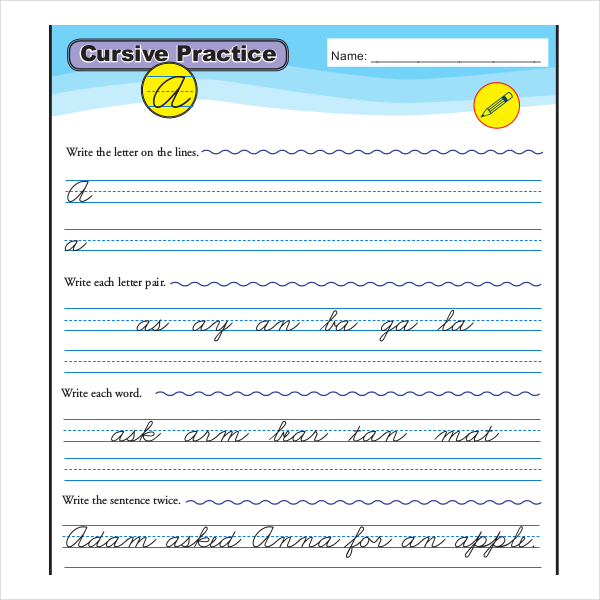
Implementation requires a supportive environment where children can work at their own pace without rushing through the connecting strokes. Begin by having the child trace the printed letter first to anchor the familiar shape, then guide the hand through the adjacent cursive equivalent to demonstrate the flow. It sounds simple, and that is precisely the point of keeping the cognitive load manageable. Educators seeking to expand this practice often complement the writing process by incorporating related Tracing Worksheets to warm up the hand muscles before tackling mixed-script layouts.
Practical Tips for Parents and Teachers
Desk posture and pencil grasp dictate the success of any fine motor intervention. Ensure the child’s feet rest flat on the floor and the non-dominant hand stabilizes the paper properly. Therapists frequently observe that tilting the paper slightly to match the natural angle of the child’s forearm dramatically improves cursive fluidity. Keep writing sessions brief—ten to fifteen minutes maximum—to prevent hand fatigue and frustration. If grip fatigue sets in early, pairing these sheets with foundational Coloring Worksheets helps build intrinsic hand strength naturally through play.
Age-Appropriate Recommendations
Introducing mixed printing and cursive is most effective for children in second and third grade, typically around ages seven to eight, once manuscript print is firmly established. According to the National Association for the Education of Young Children (NAEYC) Developmentally Appropriate Practice guidelines, instructional materials must match the child’s current motor capabilities and cognitive readiness. Pushing cursive integration too early can cause unnecessary tension in the hand, whereas waiting until the upper primary years allows children to appreciate the aesthetic and efficiency benefits of fluid script writing.
Explicit handwriting instruction enhances orthographic processing, letter recognition speed, and overall reading fluency in young learners. — Reading Rockets
Frequently Asked Questions
Clear guidance on implementing hybrid writing resources ensures caregivers and educators can maximize learning outcomes. Review the frequent inquiries below for practical downloading, developmental, and clinical insights regarding mixed manuscript and script instruction.
Explore More Free Printable Worksheets
Expanding a child’s writing toolkit requires access to a diverse array of practice materials. Educators and parents can discover comprehensive collections, including specialized Name Practice Worksheets and foundational Preschool Worksheets, designed to support every developmental stage. Exploring the full index of available Worksheets ensures consistent, engaging skill reinforcement across all early learning domains.
Developmental Milestone & Activity Table
| Development Stage | Recommended Daily Duration | Primary Learning Objective |
|---|---|---|
| Preschool & Pre-K | 10 – 15 Minutes | Pencil grip development & basic pre-stroke lines |
| Kindergarten | 15 – 20 Minutes | Letter/number formation & spatial line awareness |
| Early Elementary (Grade 1–2) | 20 – 30 Minutes | Fluency, sentence construction & neatness |
Images References