Introduction
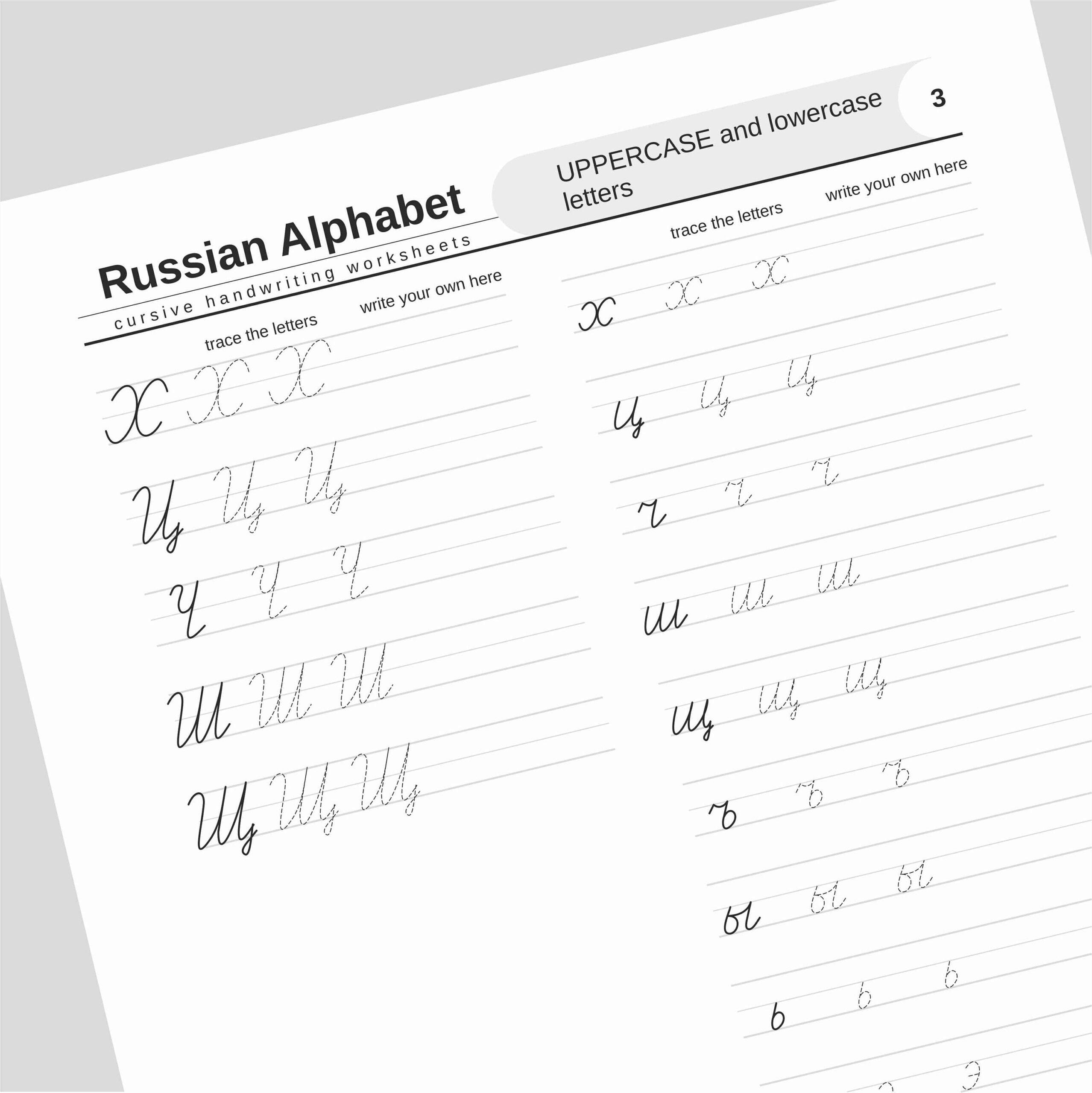
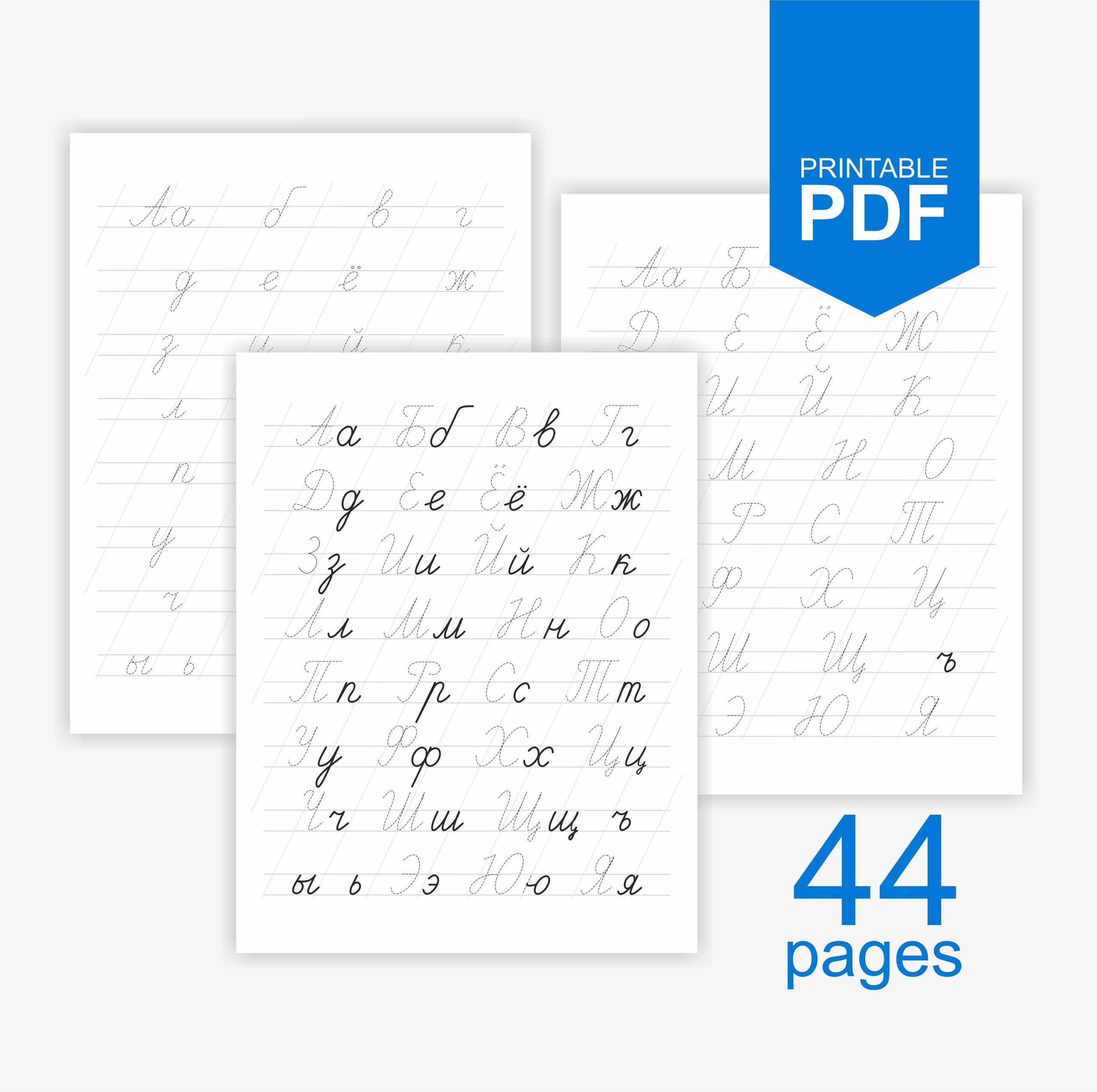
Introducing a new writing system to young learners requires patience, structure, and targeted tools that bridge familiar motor skills with unfamiliar letter forms. The free printable cyrillic handwriting worksheet serves as a vital bridge for children exploring Slavic alphabets, offering structured guidance for complex characters that demand precise pencil control. Children often approach novel scripts with a mix of curiosity and hesitation, especially when the geometric shapes diverge entirely from standard Latin letters. Observing a classroom full of young learners attempting their first Russian or Ukrainian characters reveals immediate insights into spatial awareness and hand strength. Fingers squeeze too tightly around pencils, knuckles turn white, and fine motor precision gets tested by unfamiliar vertical loops and multi-stroke intersections. It sounds simple, and that’s the point: breaking down intricate letter formation into manageable tracing steps transforms frustration into confidence. Educators and parents need reliable resources that respect developmental timelines while introducing global literacy skills early in childhood.
💡 Educational Key Takeaways:
- Core Skill: Structured Cyrillic Handwriting Worksheet focused on developing pencil grip, stroke control, and early literacy/math confidence.
- Target Scope: Suited for homeschoolers, preschool, kindergarten, and elementary learners.
- Best Recommendation: Practice 10–15 minutes daily with ergonomic writing tools to reinforce muscle memory without hand fatigue.
WhatThisWorksheetCovers
Mastering a new script involves much more than simply copying shapes on a page. This resource focuses heavily on letter formation, stroke order, and proportional spacing, ensuring that learners build a solid foundation before attempting freehand writing on blank lines. According to the American Occupational Therapy Association, foundational fine motor tasks require the coordinated action of small muscles in the hand working alongside visual-perceptual processing to reproduce precise visual symbols. The structured layout guides children through the exact sequence of strokes needed for tricky characters like the soft sign, the hard sign, or multi-legged letters such as ‘ш’ and ‘щ’. Consistency in size and baseline alignment develops naturally as learners move from large, heavily guided dotted lines to more independent tracing rows. Exploring broader foundational resources, such as specialized Letter Writing Worksheets, helps reinforce these exact biomechanical habits across different alphabets.
Key Learning Outcomes
Deliberate practice with Cyrillic characters yields measurable improvements in bilateral hand coordination, visual-motor integration, and directional awareness. Children learn to manage directional shifts—moving vertically, horizontally, and diagonally within a strictly defined grid space. Hand fatigue decreases as muscle memory takes over, allowing the brain to shift focus from mechanical stroke production to actual linguistic comprehension. Furthermore, tackling a non-Latin script enhances cognitive flexibility, encouraging young minds to analyze unfamiliar visual patterns with analytical precision. For educators seeking to expand early childhood toolkits, pairing these exercises with comprehensive Preschool Worksheets ensures a balanced approach to overall kindergarten readiness.
HowtoUseThisWorksheet
Implementation succeeds best when adults model the correct pencil grip and verbalize the stroke sequence aloud before letting children begin. Begin by printing the resource on standard heavyweight paper to prevent pencil tearing during repeated erasing and tracing sessions. Here’s what makes this worksheet different: it incorporates graduated scaffolding, moving the learner smoothly from heavily guided full-trace models to independent dot-to-dot generation. Encourage children to trace the arrows slowly, emphasizing quality over speed. If hand fatigue sets in, pause the session immediately; forcing tired hands to write breeds poor grip habits that prove exceptionally difficult to unlearn later.
PracticalTipsforParentsandTeachers
Creating an optimal workspace dramatically influences handwriting success, starting with child-sized seating that allows both feet to rest flat on the floor. Slanting the writing surface slightly upward using a dedicated sloping board or a heavy binder promotes a natural wrist extension, which is critical for maintaining visual contact with the entire line. Keep short, triangular pencils or broken crayon pieces nearby to naturally encourage an efficient tripod grasp without constant nagging. When introducing tricky characters, try tracing the letter shape in the air or filling a shallow tray with sand for tactile pre-writing rehearsal before touching paper. For additional skill reinforcement, educators frequently incorporate targeted Tracing Worksheets into morning literacy stations.
Age-AppropriateRecommendations
Aligning handwriting practice with developmental capabilities prevents undue frustration and supports long-term engagement. According to the National Association for the Education of Young Children guidelines for developmentally appropriate practice, learning experiences must match the physical and cognitive maturity levels of the child rather than rigid age brackets. Children around ages five to seven typically possess the visual-spatial maturity required to tackle multi-stroke Cyrillic characters, whereas younger preschoolers benefit far more from gross motor pre-writing lines. Adults should monitor grip endurance closely, stepping in with physical breaks whenever tension creeps into the shoulder or forearm.
Foundational fine motor tasks require coordinated hand muscle action and visual-perceptual processing to reproduce precise symbols. — American Occupational Therapy Association (AOTA)
FrequentlyAskedQuestions
Navigating new writing materials often brings up practical questions regarding printing formats, daily pacing, and developmental suitability. Reviewing these common inquiries helps ensure a smooth, stress-free learning experience for both educators and young learners at home or in the classroom. Clear guidelines empower adults to adapt the materials to individual learning speeds, maximizing the long-term benefits of early global literacy exploration.
ExploreMoreFreePrintableWorksheets
Expanding a child’s early literacy and fine motor toolkit requires access to a diverse array of structured practice materials. Beyond foreign scripts and specialized letter practice, maintaining engagement involves rotating through varied activities that target distinct developmental domains. For complete access to all available educational resources, parents and educators can browse the main archive of Worksheets designed specifically to support early childhood milestones from ages two through eight.
Developmental Milestone & Activity Table
| Development Stage | Recommended Daily Duration | Primary Learning Objective |
|---|---|---|
| Preschool & Pre-K | 10 – 15 Minutes | Pencil grip development & basic pre-stroke lines |
| Kindergarten | 15 – 20 Minutes | Letter/number formation & spatial line awareness |
| Early Elementary (Grade 1–2) | 20 – 30 Minutes | Fluency, sentence construction & neatness |
Images References