Introduction
Mastering cursive script offers children a wonderful bridge into cultural heritage, advanced penmanship, and fluid hand control. Introducing young learners to the cursive ukrainian alphabet requires a thoughtful balance between structured letter formation and physical dexterity. Observing children in the classroom reveals that distinct letter loops and fluid baseline connections demand immense visual-motor integration. According to the American Occupational Therapy Association, fine motor proficiency forms the foundation for academic success by allowing children to execute complex paper-and-pencil tasks without excessive physical fatigue.
💡 Educational Key Takeaways:
- Core Skill: Structured Cursive Ukrainian Alphabet focused on developing pencil grip, stroke control, and early literacy/math confidence.
- Target Scope: Suited for homeschoolers, preschool, kindergarten, and elementary learners.
- Best Recommendation: Practice 10–15 minutes daily with ergonomic writing tools to reinforce muscle memory without hand fatigue.
What This Worksheet Covers
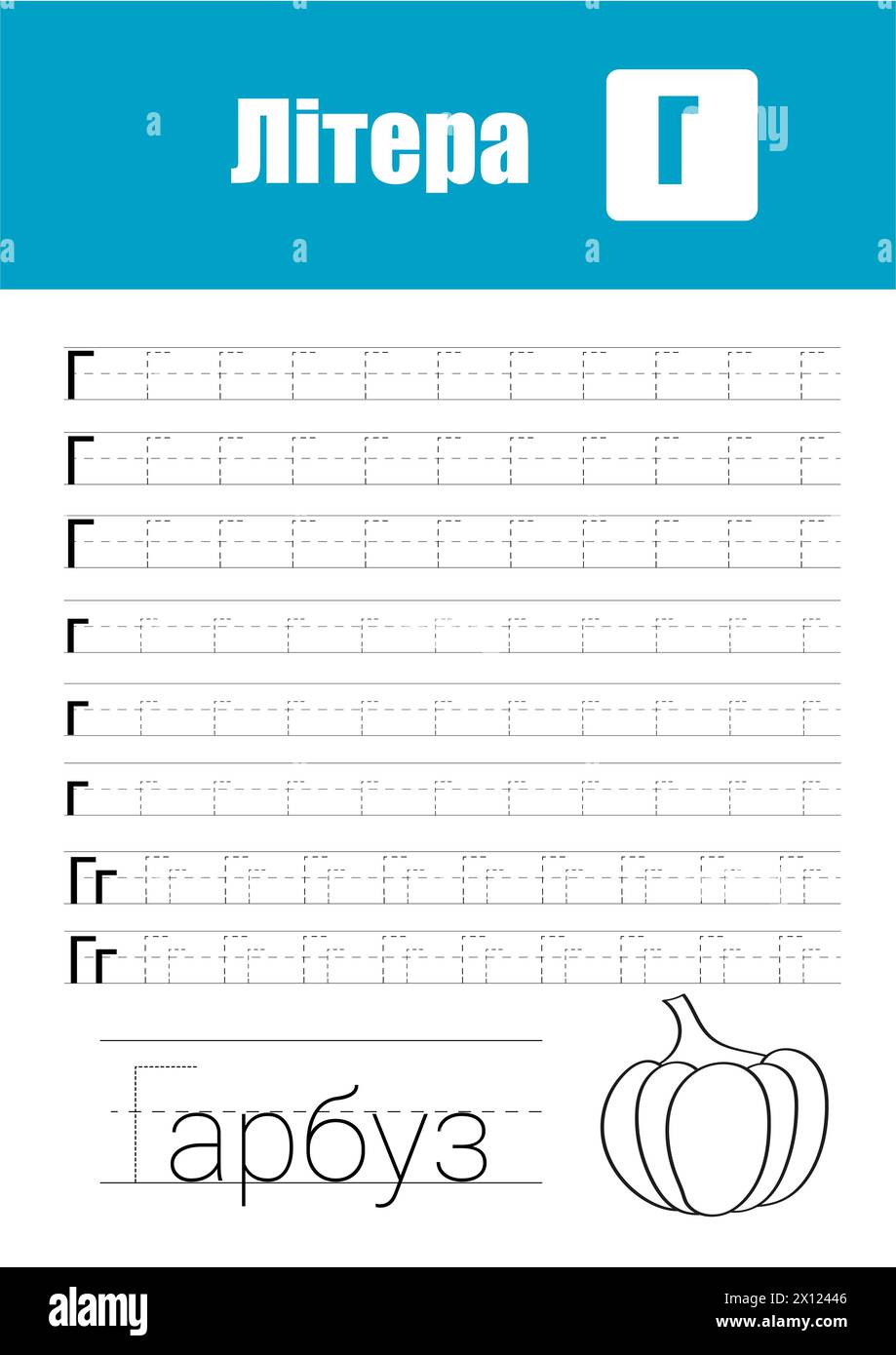
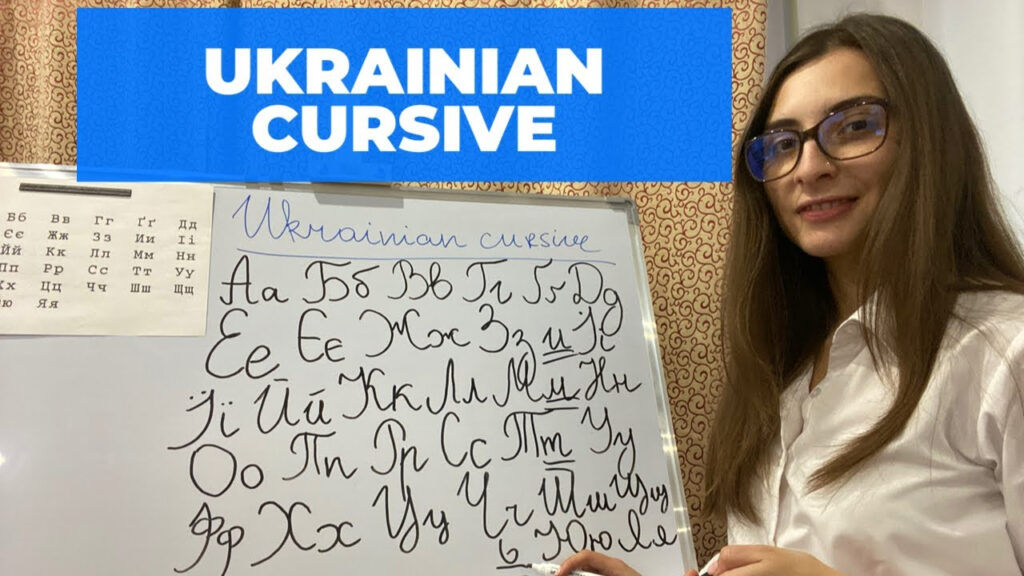
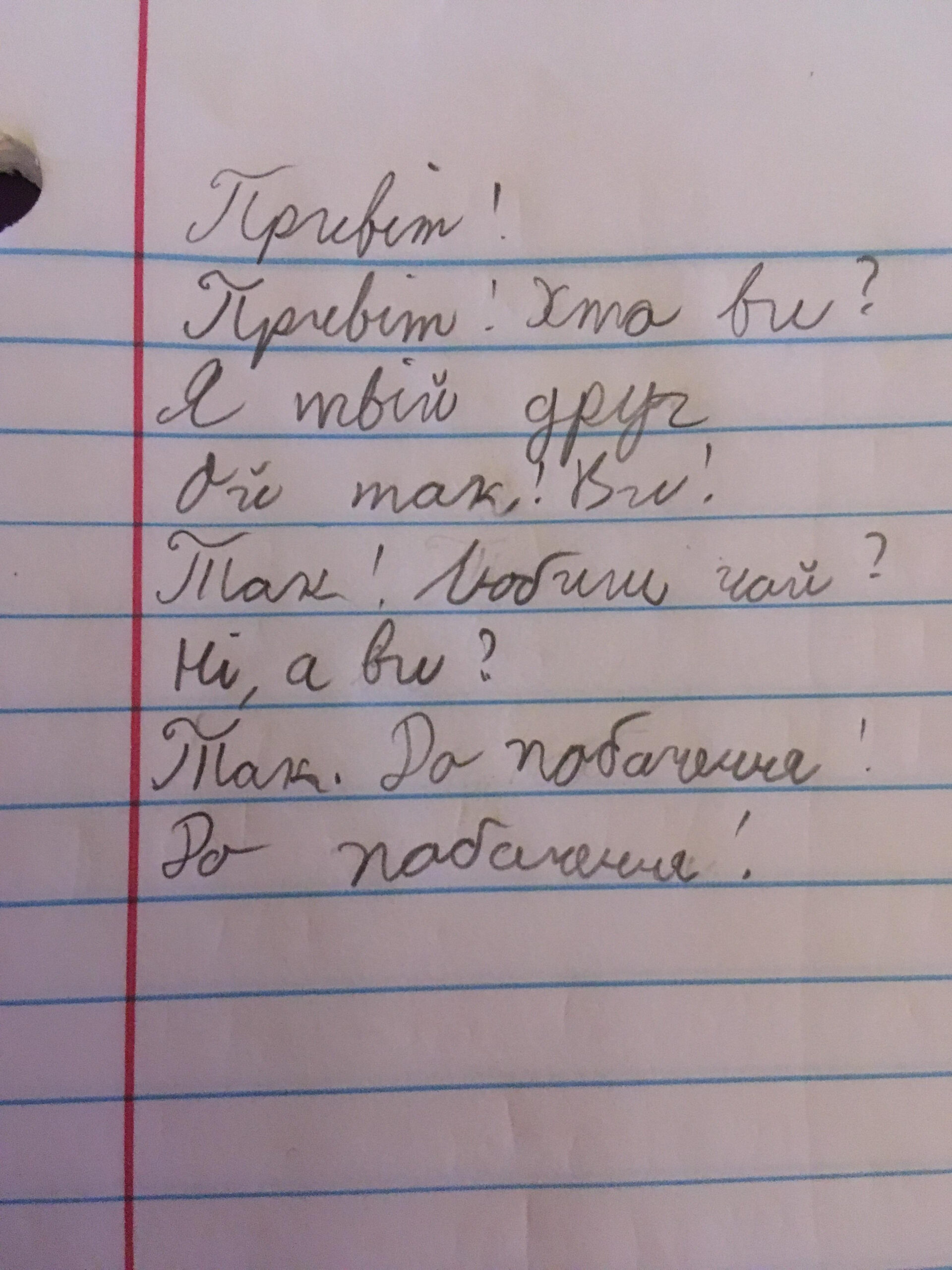
The free printable worksheet focuses entirely on guiding learners through the unique contours and directional strokes required for Cyrillic cursive writing. Every lowercase and uppercase character appears in a sequential, traceable format designed to build muscle memory systematically. Children transition from basic pre-writing loops directly into full letter execution, reinforcing spatial awareness and consistent slant. Educators often pair these sheets with targeted tracing worksheets to strengthen the pencil grip and line accuracy necessary for legible script.
Key Learning Outcomes
Consistent practice with these cursive letter forms dramatically improves stroke order, pacing, and visual-spatial planning. Learners discover how letters link smoothly along the baseline, a mechanical feature critical for increasing writing speed and legibility. According to Reading Rockets, explicit instruction in letter formation helps reduce cognitive load, freeing up mental energy for higher-level composition and creative expression. Building competence in these specialized characters also encourages bilingual confidence and deepens appreciation for linguistic diversity.
How to Use This Worksheet
Setting the stage for successful handwriting starts with proper postural alignment and a relaxed, functional pencil grasp. Begin by reviewing the designated directional arrows on each character before allowing the dry-erase marker or pencil to touch the paper. It sounds simple, and that’s the point: short, frequent daily sessions yield far better motor retention than exhausting marathon writing blocks. Educators looking to expand foundational skill sets frequently incorporate supplementary preschool worksheets to reinforce early pencil control prior to cursive instruction.
Practical Tips for Parents and Teachers
Tactile engagement transforms abstract letter shapes into concrete physical memories for developing minds. Adults can encourage children to trace the large-format cursive characters in a tray of sand, salt, or shaving cream before putting pencil to paper. Providing adaptive writing tools, such as short pencils or triangular grip aids, helps maintain proper finger positioning during extended writing tasks. For ongoing skill development beyond the alphabet, exploring diverse worksheets ensures children stay motivated and challenged across various writing disciplines.
Age-Appropriate Recommendations
Introducing cursive script aligns seamlessly with the National Association for the Education of Young Children guidelines on developmentally appropriate practice, which emphasize tailoring academic challenges to physical maturity levels. Children typically acquire the intrinsic hand strength and visual-motor control required for fluent cursive between the ages of seven and nine. Pushing children into complex script too early often fosters frustration and poor habits, whereas targeted readiness exercises build enduring confidence. Gradual exposure guarantees that students master proper alignment, proportion, and spacing without experiencing hand cramping or undue stress.
Fine motor proficiency directly supports academic success by enabling children to execute written tasks without physical fatigue — American Occupational Therapy Association
Frequently Asked Questions
Finding the right resources to support a child’s handwriting journey involves clear guidance on access, physical development, and educational frameworks.
Explicit instruction in letter formation reduces cognitive load, freeing up mental energy for creative writing and composition — Reading Rockets
Explore More Free Printable Worksheets
Expanding a child’s penmanship toolkit involves exploring specialized resources tailored to specific developmental milestones and creative interests. Children who enjoy artistic expression often benefit from combining fine motor drills with expressive coloring worksheets to build hand strength. Additionally, personalized writing practice serves as an exceptional motivator, making name practice worksheets a fantastic companion for building overall handwriting confidence.
Developmental Milestone & Activity Table
| Development Stage | Recommended Daily Duration | Primary Learning Objective |
|---|---|---|
| Preschool & Pre-K | 10 – 15 Minutes | Pencil grip development & basic pre-stroke lines |
| Kindergarten | 15 – 20 Minutes | Letter/number formation & spatial line awareness |
| Early Elementary (Grade 1–2) | 20 – 30 Minutes | Fluency, sentence construction & neatness |
Images References