Introduction
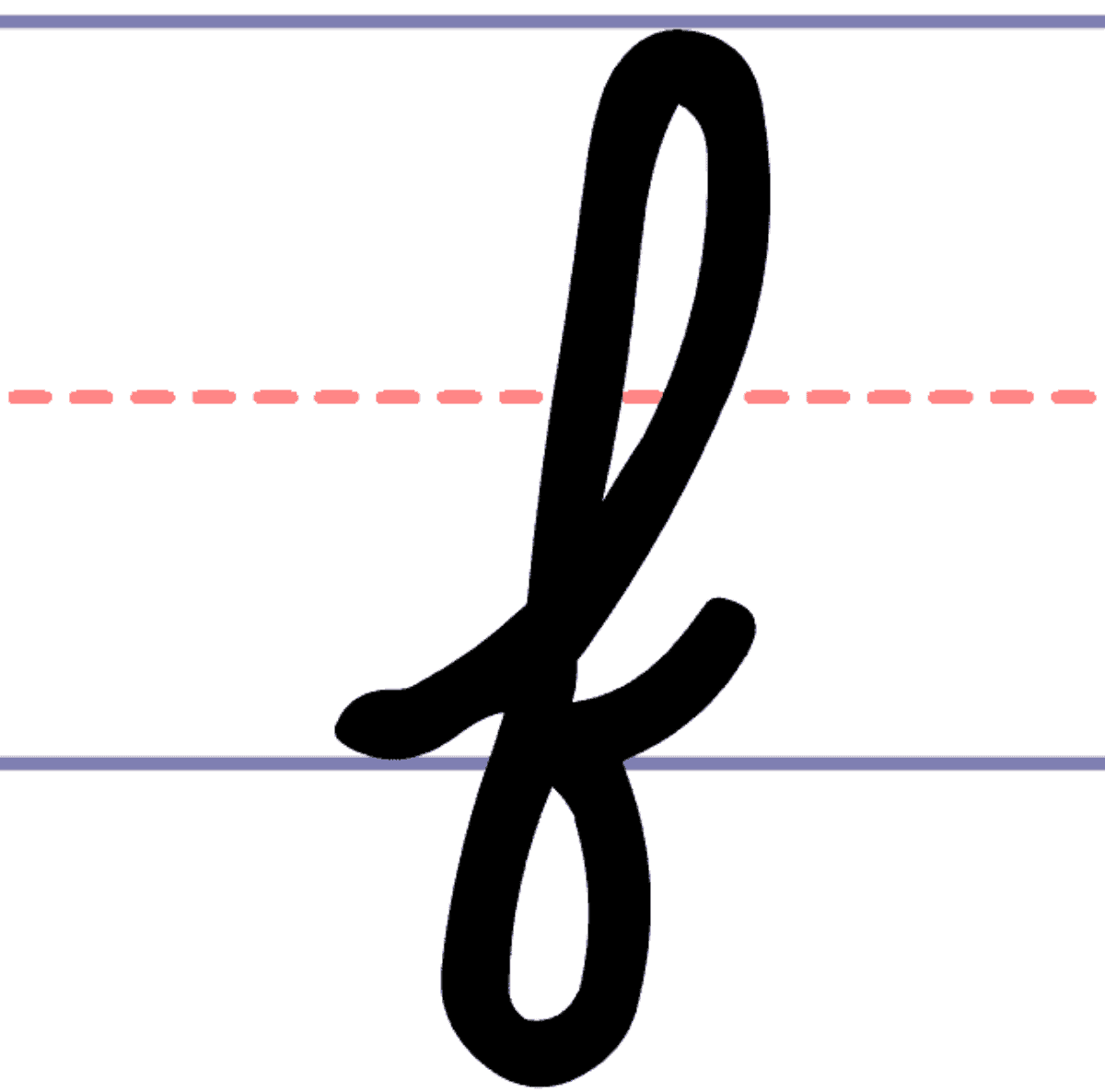
Mastering cursive lowercase and uppercase letter formation often begins with notoriously complex loops, and the letter f proves to be one of the trickiest shapes in the alphabet. Children frequently struggle to balance the ascender loop above the midline with the descending loop below the baseline. Occupational therapy clinics regularly observe young learners pressing too hard into the paper during these directional shifts, resulting in hand fatigue and broken pencil leads. Providing targeted resources like a specialized cursive letter f printable addresses these specific motor planning hurdles directly. Careful practice transforms an intimidating double loop into a fluid, graceful stroke.
💡 Educational Key Takeaways:
- Core Skill: Structured Cursive Letter F focused on developing pencil grip, stroke control, and early literacy/math confidence.
- Target Scope: Suited for homeschoolers, preschool, kindergarten, and elementary learners.
- Best Recommendation: Practice 10–15 minutes daily with ergonomic writing tools to reinforce muscle memory without hand fatigue.
What This Worksheet Covers
Targeted handwriting sheets bridge the gap between simple pre-writing lines and connected cursive text. This specific instructional tool focuses heavily on letter formation, exact stroke order, and consistent spatial awareness between lines. Learners trace oversized models before progressing to independent execution, building the visual-motor integration necessary for legible writing. Exploring additional Letter Writing Worksheets ensures children receive comprehensive exposure to all twenty-six alphabet letters. Every targeted exercise reinforces the fluid transition required in modern handwriting curricula without overwhelming the developing hand.
Key Learning Outcomes
Students engaging with these printables strengthen fine motor precision and develop reliable muscle memory. Proper stroke sequencing prevents bad habits, such as starting loops from the bottom up. According to the American Occupational Therapy Association, functional handwriting relies on integrated visual-perceptual skills and intrinsic hand muscle control, both of which are heavily exercised during looped letter practice. Children also learn proportional sizing, keeping the upper loop tall and narrow while anchoring the lower loop cleanly beneath the writing baseline.
How to Use This Worksheet
Success with cursive instruction requires a structured approach rather than passive repetition. Begin by demonstrating the exact pencil path in the air before touching the paper, emphasizing the upward slant, the loop, the downward pull, and the exit stroke. Children should start with large finger-tracing motions to internalize the directional flow. Pairing this resource with broader Tracing Worksheets helps solidify foundational pencil control before demanding fine-line accuracy. Adults can guide the learner’s hand gently through the first few repetitions to build immediate kinesthetic confidence.
Practical Tips for Parents and Teachers
Environmental setup dictates handwriting quality just as much as cognitive readiness. Ensure the writing surface allows feet to rest flat on the floor and elbows to rest comfortably at a ninety-degree angle. Short, ten-minute practice blocks yield vastly superior results compared to extended, frustrating marathon sessions. Integrating versatile Preschool Worksheets into daily routines further prepares younger hands for the dexterity required in formal cursive instruction. Observation reveals that dampening a small sponge to wipe away dry-erase trials removes the pressure of permanence during early attempts.
Age-Appropriate Recommendations
Introducing cursive typically aligns with third-grade benchmarks, though advanced second-grade learners often show readiness once manuscript writing becomes automatic. According to the National Association for the Education of Young Children guidelines on developmentally appropriate practice, learning tasks must match the physical maturation and neurological development of the child. Forcing complex loops onto hands lacking sufficient arch support causes undue tension. Educators should evaluate core stability and grasp maturity before introducing looped ascenders and descenders to ensure positive learning experiences.
Functional handwriting relies on integrated visual-perceptual skills and intrinsic hand muscle control — American Occupational Therapy Association (AOTA)
Frequently Asked Questions
Addressing common troubleshooting points ensures smooth integration of writing tools into home and classroom environments. Clear answers regarding formatting, printing, and developmental readiness eliminate guesswork for educators and caregivers alike.
Explore More Free Printable Worksheets
Expanding a handwriting library keeps young learners engaged through fresh layouts and varied thematic challenges. Accessing comprehensive collections of educational printables ensures a steady supply of targeted resources for every stage of development. Browsing diverse Worksheets provides endless opportunities to reinforce spelling, motor control, and creative expression. Incorporating customized Name Practice Worksheets alongside cursive drills maintains high motivation by connecting daily practice directly to the child’s own identity.
Developmental Milestone & Activity Table
| Development Stage | Recommended Daily Duration | Primary Learning Objective |
|---|---|---|
| Preschool & Pre-K | 10 – 15 Minutes | Pencil grip development & basic pre-stroke lines |
| Kindergarten | 15 – 20 Minutes | Letter/number formation & spatial line awareness |
| Early Elementary (Grade 1–2) | 20 – 30 Minutes | Fluency, sentence construction & neatness |
Images References