Introduction
Mastering cursive script requires a delicate balance of fluid movement, spatial awareness, and consistent pencil pressure. Among all the lowercase letters in the alphabet, the cursive ‘f’ presents a unique biomechanical challenge for young learners. It demands both an ascender that reaches high above the midline and a descender that loops deep below the baseline, testing a child’s hand control in entirely new ways. Educators frequently observe children gripping their pencils too tightly as they attempt the tricky directional changes required for this specific glyph. Transitioning from print to cursive is a significant milestone in early literacy, and targeted tools like the free printable cursive f letters worksheet help bridge this gap smoothly. According to Reading Rockets, explicit handwriting instruction supports cognitive development and enhances overall literacy fluency by freeing up working memory during composition tasks. Integrating structured letter practice into the daily routine transforms an intimidating scribbling task into an achievable, satisfying fine motor exercise.
💡 Educational Key Takeaways:
- Core Skill: Structured Cursive F Letters focused on developing pencil grip, stroke control, and early literacy/math confidence.
- Target Scope: Suited for homeschoolers, preschool, kindergarten, and elementary learners.
- Best Recommendation: Practice 10–15 minutes daily with ergonomic writing tools to reinforce muscle memory without hand fatigue.
What This Worksheet Covers
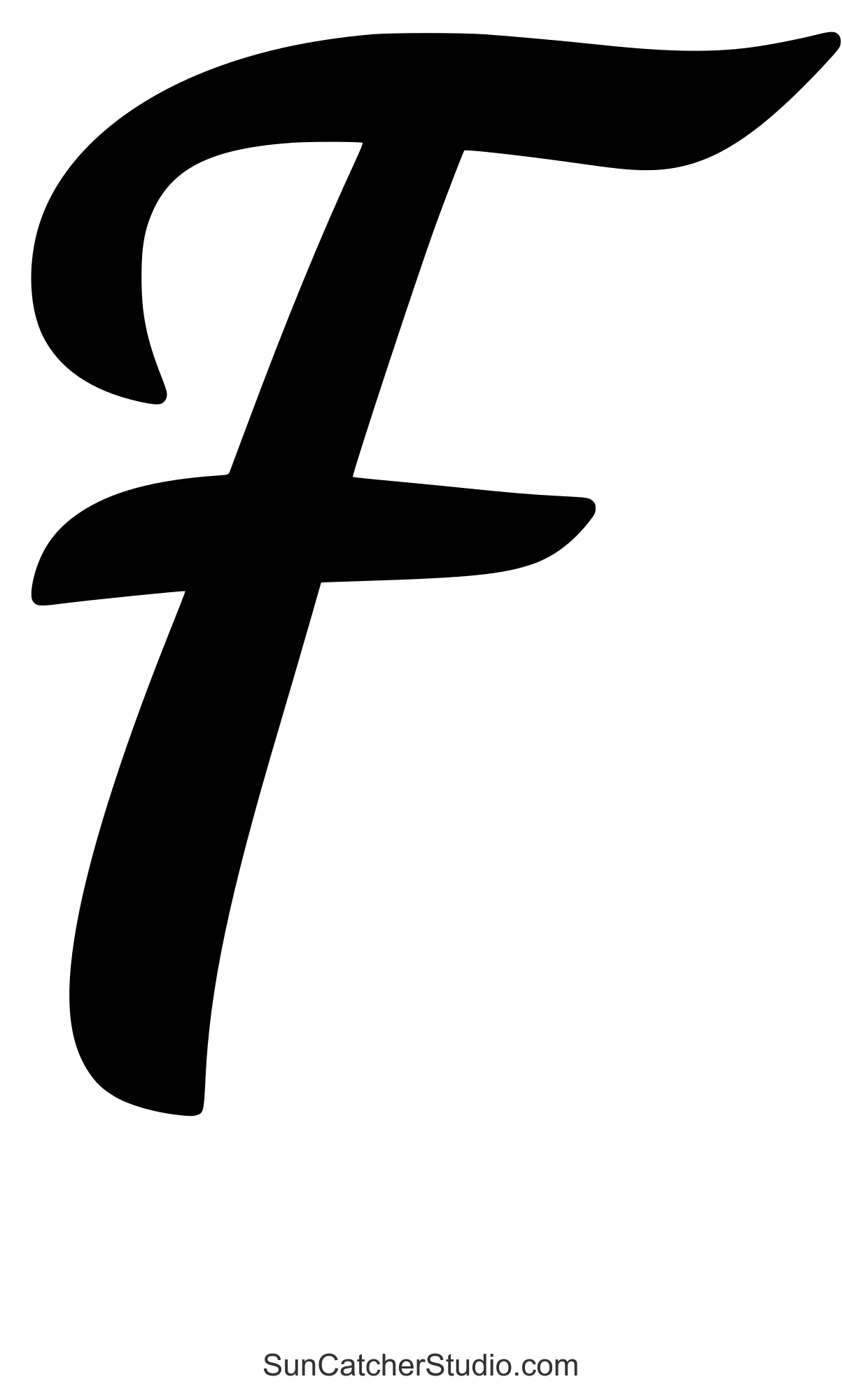
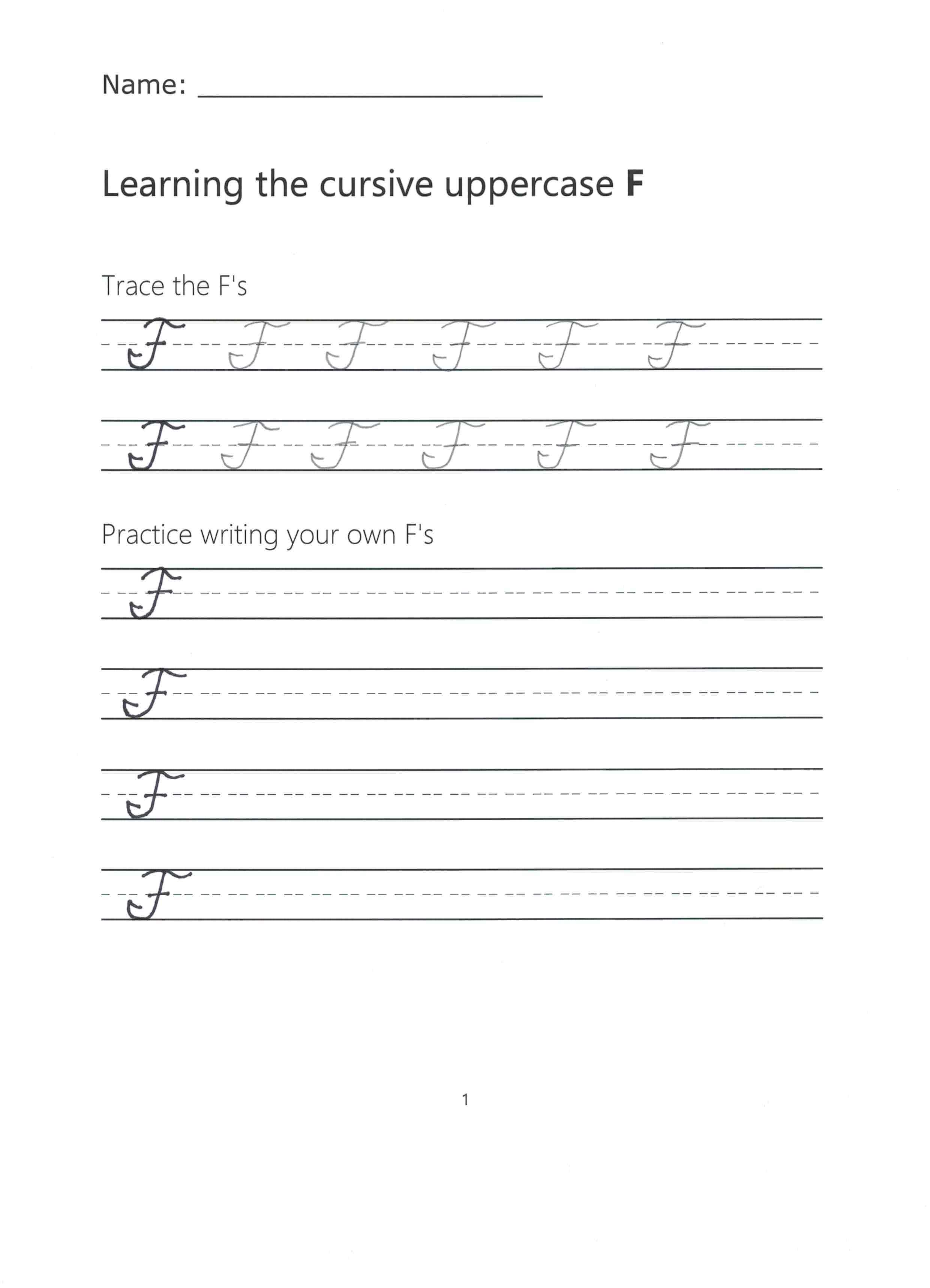
Focused printables targeting specific letter forms provide the repetition necessary to build muscle memory without overwhelming developing hands. This resource centers specifically on the mechanics of the lowercase and uppercase cursive ‘f’, breaking down the continuous stroke into manageable visual segments. Children begin by tracing oversized models to understand the rhythm of the loop, gradually progressing to independent formation on standard primary lines. The layout intentionally emphasizes proper stroke order, beginning with the upward slant, looping back down, crossing the baseline, and finishing with the connecting tail. Such precision directly supports broader writing goals often explored within comprehensive Letter Writing Worksheets collections. It sounds simple, and that’s the point: removing extraneous visual clutter allows the brain to focus entirely on the physical execution of the loops and lines.
Key Learning Outcomes
Working consistently through these looped exercises yields measurable improvements in dexterity, spatial organization, and visual-motor integration. Learners build essential finger endurance, reducing the hand fatigue that typically plagues early writers during longer writing assignments. Furthermore, mastering the upward and downward extensions trains the hand to respect baseline and midline boundaries effortlessly. These foundational skills align closely with broader instructional objectives found throughout various Worksheets designed for primary classrooms. Children also develop heightened attention to detail, learning how the connecting stroke of the ‘f’ flows directly into the next letter in a word.
How to Use This Worksheet
Implementation requires more than simply handing over a pencil and hoping for the best. Adults should first demonstrate the stroke in the air or on a vertical surface, emphasizing the continuous, fluid motion of the hand. Children benefit immensely from using multi-sensory techniques, such as tracing the large template with a finger or a textured marker before applying graphite to paper. Encouraging a relaxed tripod grasp ensures that the fingers retain the flexibility needed to execute the sweeping descender loop of the ‘f’ without cramping. Pairing this targeted page with resources from the broader Tracing Worksheets archive helps reinforce foundational pre-writing strokes for children who need extra preparatory practice.
Practical Tips for Parents and Teachers
Setting up an optimal workspace makes a remarkable difference in the quality of a child’s penmanship. Ensure the chair and table allow both feet to rest flat on the floor, promoting core stability that directly influences hand control. Limit practice sessions to short, ten-minute increments to maintain high engagement and prevent frustration. When errors happen, gently guide the hand through the correct path rather than erasing the mistake entirely. Positive reinforcement builds the intrinsic motivation necessary to conquer difficult cursive connections.
Age-Appropriate Recommendations
Cursive instruction typically begins around third grade, aligning with the Common Core ELA standard CCSS.ELA-LITERACY.L.3.1.2, which emphasizes the mastery of legible cursive writing. At this stage, children possess the refined hand-eye coordination and intrinsic hand muscle strength required to manage complex loops and directional shifts. For younger children in second grade or advanced second-semester first grade, introducing these worksheets should remain purely exploratory and low-stakes. According to the American Occupational Therapy Association (AOTA), functional handwriting relies heavily on the maturation of the arches of the hand, which continue developing well into early elementary years. Therefore, patience and accommodation are paramount when introducing advanced letter forms to young learners.
Explicit handwriting instruction significantly enhances literacy fluency by reducing cognitive load during written expression — Reading Rockets
Frequently Asked Questions
Understanding how to effectively integrate these writing materials answers common questions regarding preparation, printing, and developmental readiness. Clear guidance ensures that every parent or educator can maximize the educational value of the printable pages.
Functional handwriting depends on the maturation of intrinsic hand muscles and optimal postural stability — American Occupational Therapy Association (AOTA)
Explore More Free Printable Worksheets
Expanding a child’s writing repertoire requires access to a diverse array of targeted practice materials. Beyond cursive loops, exploring resources like Name Practice Worksheets helps personalize the learning experience and build genuine pride in literacy. For younger siblings or foundational review, incorporating exercises from the Preschool Worksheets catalog ensures that every developmental stage receives appropriate support.
Developmental Milestone & Activity Table
| Development Stage | Recommended Daily Duration | Primary Learning Objective |
|---|---|---|
| Preschool & Pre-K | 10 – 15 Minutes | Pencil grip development & basic pre-stroke lines |
| Kindergarten | 15 – 20 Minutes | Letter/number formation & spatial line awareness |
| Early Elementary (Grade 1–2) | 20 – 30 Minutes | Fluency, sentence construction & neatness |
Images References