Introduction
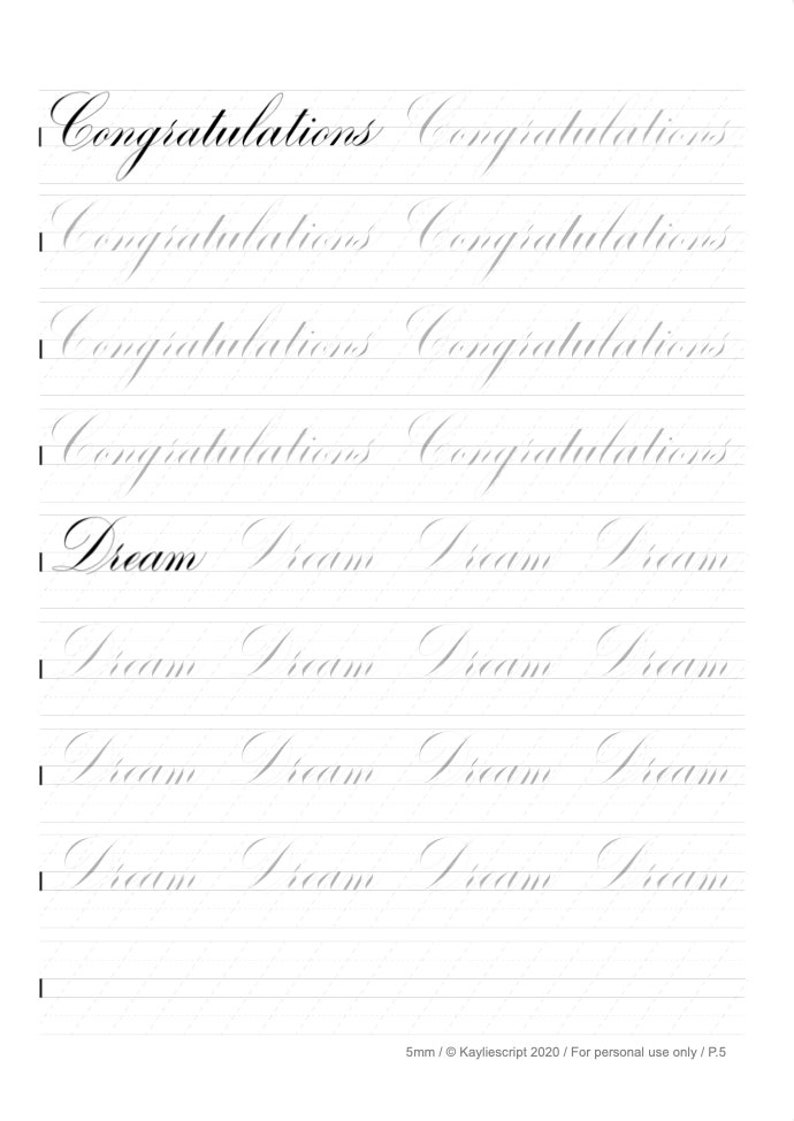
Mastering cursive writing remains a fundamental milestone in childhood development, bridging the gap between basic motor control and fluid written expression. Children often encounter a steep learning curve when transitioning from printed letters to the interconnected loops of cursive script. Providing structured resources such as the free printable worksheet “cursive congratulations” transforms an intimidating challenge into an achievable daily victory. It sounds simple, and that’s the point. Educators and occupational therapists frequently notice that children light up when they successfully link complex letter combinations to spell a meaningful word like congratulations. This specific resource targets the fluid continuous strokes required for graceful handwriting while simultaneously reinforcing correct letter formation, stroke order, and proportional spacing on the page.
💡 Educational Key Takeaways:
- Core Skill: Structured Cursive Congratulations focused on developing pencil grip, stroke control, and early literacy/math confidence.
- Target Scope: Suited for homeschoolers, preschool, kindergarten, and elementary learners.
- Best Recommendation: Practice 10–15 minutes daily with ergonomic writing tools to reinforce muscle memory without hand fatigue.
What This Worksheet Covers
The layout of this specific printout focuses intensely on muscle memory and spatial awareness. Continuous script requires learners to maintain consistent pencil pressure while executing rhythmic upward and downward slants. When young hands trace and replicate the flowing connections within the word, they refine intrinsic hand muscles that support overall academic stamina. According to the American Occupational Therapy Association, foundational fine motor competence directly correlates with academic success and daily classroom participation. Beyond basic motor planning, the sheet encourages children to analyze how individual letters morph and connect when written in a continuous flow rather than isolated blocks.
Key Learning Outcomes
Practicing with this cursive guide yields multiple developmental benefits that extend far beyond pretty handwriting. Learners enhance their bilateral coordination, utilizing one hand to stabilize the paper while the dominant hand executes controlled diagonal and curved strokes. Visual-motor integration also sharpens as the eyes track the continuous lines across the page, anticipating upcoming directional changes. Exploring related resources like Letter Writing Worksheets offers additional opportunities to reinforce individual glyphs before tackling interconnected words. Ultimately, children build supreme confidence as they witness their own handwriting transform from shaky, disconnected marks into a polished, legible script suitable for personal notes and academic assignments.
How to Use This Worksheet
Implementation requires a balance of structure and patience to prevent hand fatigue in developing writers. Begin by inviting the child to trace the faded exemplar models using a sharp pencil or a fine-tip marker, paying close attention to the designated starting dots and directional arrows. Here’s what makes this worksheet different: it emphasizes the rhythm of the hand rather than rigid perfection on the first try. Adults should encourage learners to breathe and keep their wrists relaxed, avoiding the tight “death grip” that frequently causes hand cramps during extended writing sessions. Transitioning gradually from guided tracing to independent copying on blank lines ensures that motor patterns transfer securely from visual input to autonomous execution.
Practical Tips for Parents and Teachers
Creating an optimal workspace plays a massive role in cursive success. Ensure the chair and table allow the child’s feet to rest flat on the floor with elbows bent at a comfortable ninety-degree angle. Tilting the paper slightly to match the natural slant of the child’s writing hand reduces physical strain and improves line visibility. For learners who struggle with spatial bounds, placing a physical guide or a colored highlighter beneath the baseline helps anchor their descending loops. Integrating foundational activities found in Tracing Worksheets beforehand can also warm up the small muscles of the hand, preparing them for the intricate loops demanded by cursive text.
Age-Appropriate Recommendations
Introducing cursive typically aligns with late second grade or third grade, once print handwriting has achieved a baseline level of automaticity and legibility. According to the National Association for the Education of Young Children guidelines for developmentally appropriate practice, learning tasks should continually match the biological readiness and fine motor endurance of the growing child. Educators should assess whether the student can comfortably form standard manuscript letters before introducing complex diagonal connectors. For younger children who express early curiosity about connected writing, exploring simpler resources such as Preschool Worksheets helps build essential pre-writing strokes and fundamental pencil control long before formal cursive instruction begins.
Foundational fine motor competence directly correlates with academic success and classroom participation — American Occupational Therapy Association
Frequently Asked Questions
How do adults access and print this cursive resource? Simply locate the download link on the platform, save the file to a local device, and print it using standard letter-sized paper at home or in the classroom. Does this printout improve fine motor skills? Yes, tracing and replicating continuous cursive strokes builds finger dexterity, hand-eye coordination, and bilateral integration necessary for neat writing. What does the National Association for the Education of Young Children recommend regarding writing tasks? NAEYC emphasizes that learning tasks must align with the biological readiness and fine motor endurance of the developing child.
Explore More Free Printable Worksheets
Expanding a child’s writing toolkit requires a diverse variety of engaging practice materials. To keep learners motivated and excited about mastering new skills, rotate through a wide selection of Worksheets designed for different developmental stages. Whether a child needs extra help mastering personalized spelling through Name Practice Worksheets or wants to unwind their hand muscles while building focus through creative Coloring Worksheets, consistent, joyful practice remains the ultimate key to lifelong handwriting proficiency.
Developmental Milestone & Activity Table
| Development Stage | Recommended Daily Duration | Primary Learning Objective |
|---|---|---|
| Preschool & Pre-K | 10 – 15 Minutes | Pencil grip development & basic pre-stroke lines |
| Kindergarten | 15 – 20 Minutes | Letter/number formation & spatial line awareness |
| Early Elementary (Grade 1–2) | 20 – 30 Minutes | Fluency, sentence construction & neatness |
Images References