Introduction
Mastering the lowercase letter r often proves tricky for young children learning to write. The subtle curve and sharp turn demand a high level of pencil control that standard lined paper rarely supports on its own. Using specialized tools like the bubble writing lower case r printable bridges the gap between casual drawing and precise penmanship. Therapy rooms and classrooms frequently witness children pressing down far too hard, clutching crayons like tiny daggers as they struggle to keep lines within strict boundaries. It sounds simple, and that’s the point: expanding a letter into a thick, bubbly outline shifts the entire physical dynamic of writing. Instead of focusing solely on a thin, frustrating stroke, the child engages in a controlled coloring motion that builds intrinsic hand strength. According to the American Occupational Therapy Association, purposeful fine motor activities that involve coloring and tracing are foundational for developing the endurance needed for extended writing tasks.
💡 Educational Key Takeaways:
- Core Skill: Structured Bubble Writing Lower Case R focused on developing pencil grip, stroke control, and early literacy/math confidence.
- Target Scope: Suited for homeschoolers, preschool, kindergarten, and elementary learners.
- Best Recommendation: Practice 10–15 minutes daily with ergonomic writing tools to reinforce muscle memory without hand fatigue.
What This Worksheet Covers
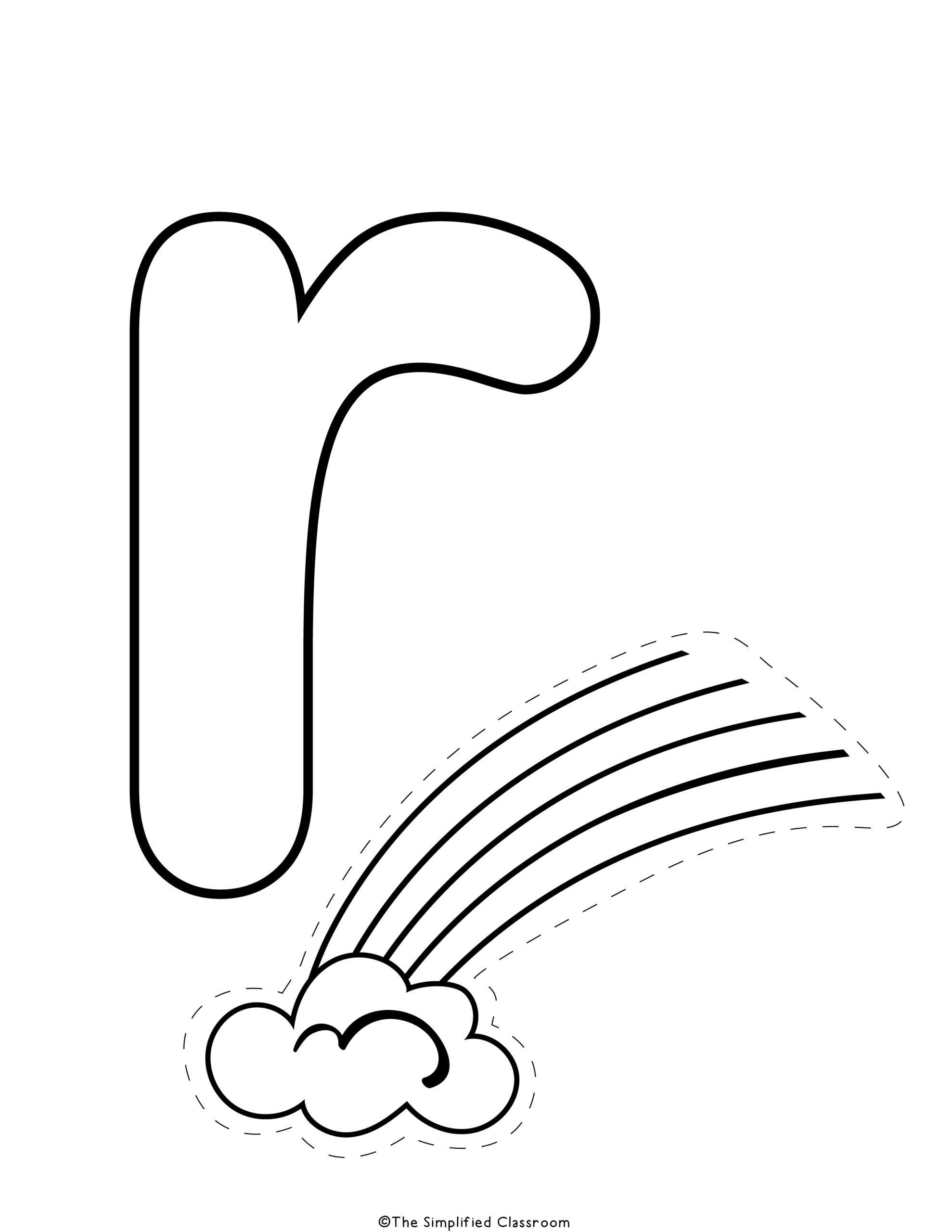
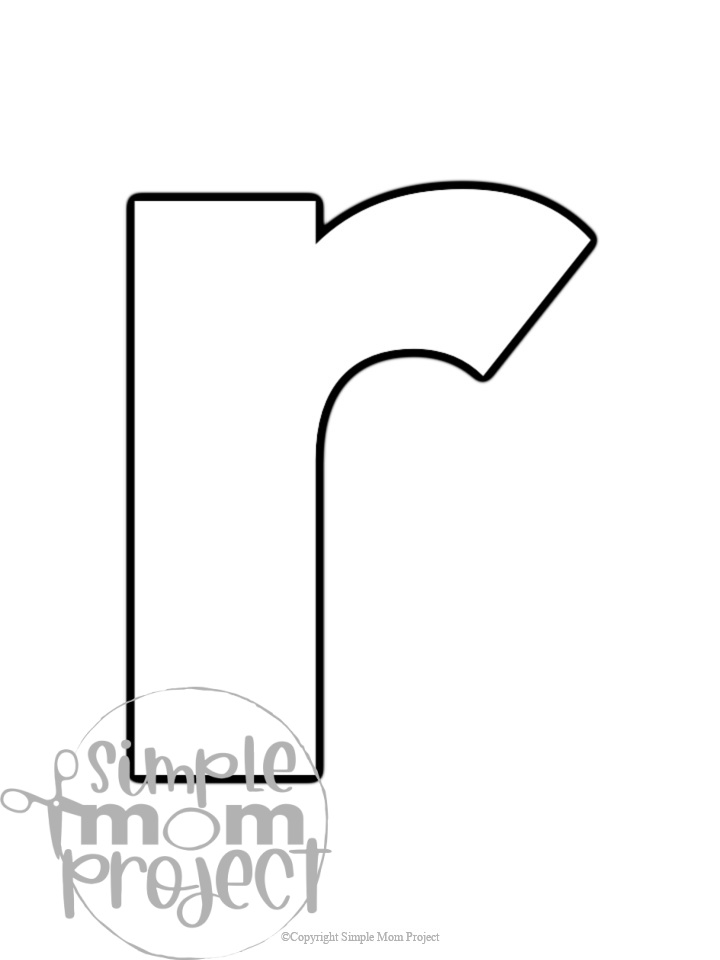
This specific printable targets letter formation, stroke order, and visual-motor integration specifically for the notoriously difficult lowercase r. Children begin by examining the distinct contours of the oversized letter, identifying the short vertical stem and the curved shoulder. Tracing the thick outer borders encourages the hand to execute a continuous, flowing movement rather than a choppy series of disconnected lines. Furthermore, filling in the interior space requires sustained visual attention and spatial awareness, reinforcing how the letter sits relative to a baseline. Educators exploring foundational concepts often integrate these exercises alongside various Preschool Worksheets to ensure a well-rounded approach to early childhood development. Children must coordinate their eyes and hands to navigate the curves, which directly translates to cleaner handwriting when transitioning back to standard lines.
Key Learning Outcomes
Engaging with this printable yields measurable improvements in grip strength, hand control, and visual focus. As little ones carefully maneuver crayons or markers inside the thick boundaries, they refine the small muscles in their fingers that govern dexterity. According to the National Association for the Education of Young Children, providing opportunities for children to manipulate writing implements within defined spaces significantly enhances their spatial reasoning and bilateral coordination. Beyond physical mechanics, repeated exposure to the distinct shape of the lowercase r solidifies letter recognition in the brain’s visual cortex. When children master the precise stroke order through expanded outlines, they commit the motion to muscle memory, making future writing tasks faster and far less fatiguing.
How to Use This Worksheet
Implementation requires more than simply handing over a marker and a single sheet of paper. Adults should first demonstrate the correct stroke sequence in the air, emphasizing the downward pull followed by the short right turn of the shoulder. Children can then trace the thick outlines using thick crayons, paintbrushes dipped in watercolor, or even textured materials like finger paint to stimulate tactile feedback. Practitioners working with children who struggle with standard pencil grip often recommend pairing this activity with broader Tracing Worksheets to build foundational hand-eye coordination. Allowing children to color the bubble letter using multiple overlapping rainbow colors transforms a mechanical drill into an engaging, low-stress art project that keeps frustration at bay.
Practical Tips for Parents and Teachers
Watch closely for signs of hand fatigue during the coloring phase. If a child begins wrapping the thumb over the index finger or resting the entire forearm heavily on the table, pause the activity for a quick hand-stretching break. Cutting out the finished bubble letter with safety scissors adds an extra layer of fine motor practice, reinforcing cutting accuracy alongside letter familiarity. Teachers can pin completed masterpieces on a classroom wall to boost confidence and visual reinforcement. For structured literacy centers, pairing these expanded letter sheets with standard Letter Writing Worksheets creates a seamless bridge from large-motor arm movements down to precise, lined-paper writing.
Age-Appropriate Recommendations
Developmental readiness dictates how adults should approach this activity for children aged two through eight. According to the Head Start Early Learning Outcomes Framework, four-year-olds are typically refining their ability to control writing tools with intention, making oversized bubble letters an ideal medium for practicing early letter shapes without the pressure of strict proportions. Two- and three-year-olds can use thick finger crayons to explore the general shape of the letter sensorily. Meanwhile, kindergarten and early first-grade students benefit from using colored pencils within the borders to practice fine-scale pressure regulation, aligning with Common Core standard L.K.1a regarding printing lowercase letters legibly.
Purposeful fine motor activities involving coloring and tracing build the foundational hand endurance and intrinsic muscle strength required for sustained academic writing. — American Occupational Therapy Association
Frequently Asked Questions
Navigating early literacy tools often brings up practical questions regarding execution and preparation.
Mastering letter formation through expanded visual outlines enhances muscle memory and spatial awareness, which are crucial precursors to fluid handwriting. — National Association for the Education of Young Children
Explore More Free Printable Worksheets
Expanding an early writing curriculum requires a diverse mix of engaging, hands-on practice materials tailored to every developmental stage. Exploring comprehensive resources such as general Worksheets ensures children continuously encounter fresh challenges that keep boredom at bay. Additionally, incorporating personalized stationery elements like those found in Name Practice Worksheets helps young learners anchor their growing writing skills to their own unique identities, fostering a lifelong love for literacy and creative expression.
Developmental Milestone & Activity Table
| Development Stage | Recommended Daily Duration | Primary Learning Objective |
|---|---|---|
| Preschool & Pre-K | 10 – 15 Minutes | Pencil grip development & basic pre-stroke lines |
| Kindergarten | 15 – 20 Minutes | Letter/number formation & spatial line awareness |
| Early Elementary (Grade 1–2) | 20 – 30 Minutes | Fluency, sentence construction & neatness |
Images References