Introduction
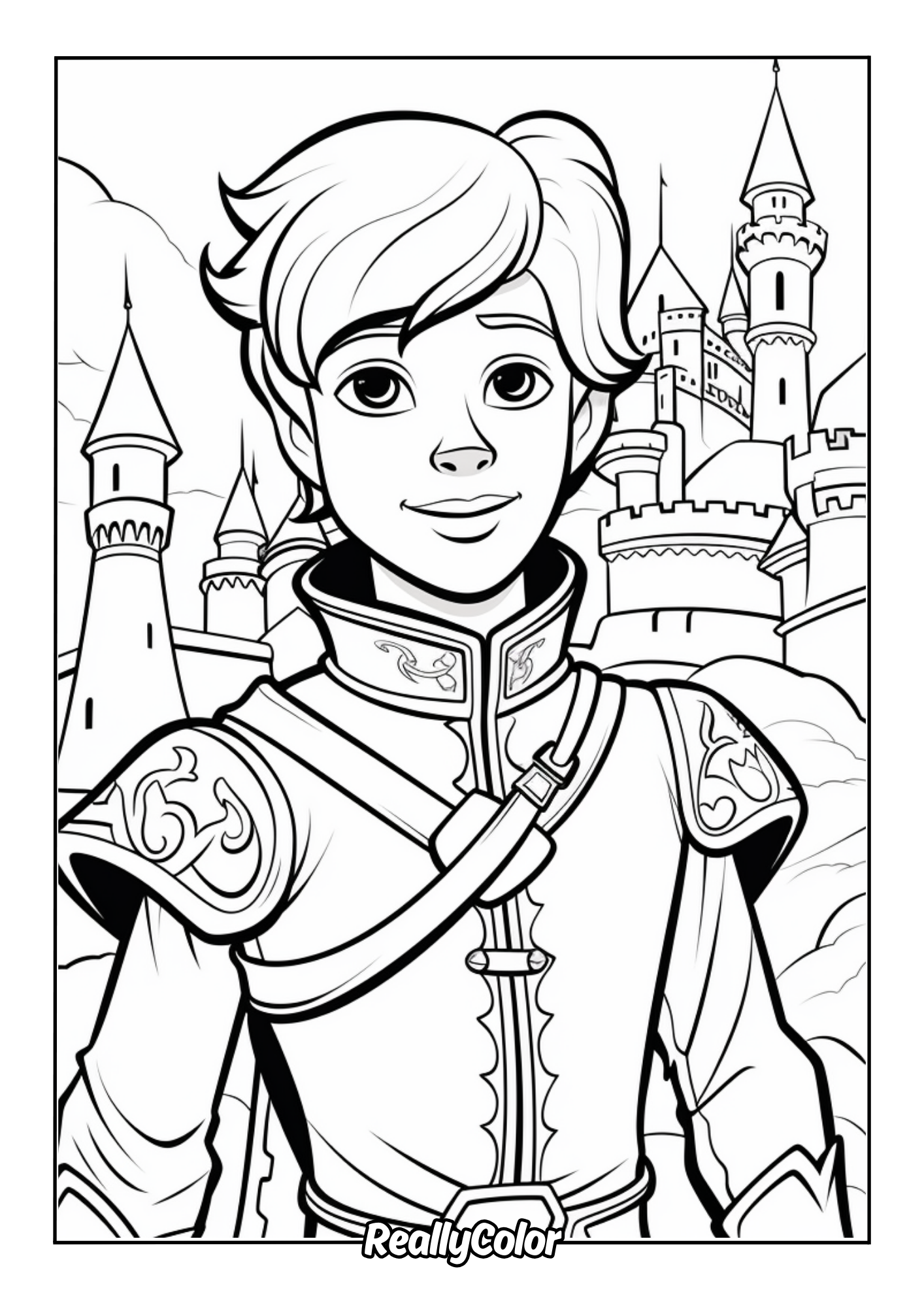
A color worksheet blue prince integrates targeted thematic coloring with foundational handwriting mechanics to reinforce fine-motor control, visual discrimination, and proper pencil grip in early learners. According to the National Association for the Education of Young Children (NAEYC), purposeful multi-sensory activities that combine artistic expression with guided stroke practice significantly enhance young children’s fine-motor control and pre-writing readiness. Educators and parents utilize these specialized thematic assets to transition young learners smoothly from unstructured creative coloring into structured letter formation. By anchoring writing mechanics to recognizable fairy-tale motifs, instructional resources maintain high engagement while strengthening hand muscles essential for lifelong academic writing fluency.
Handwriting Practice Snapshot:
- Core Focus: Combining royal thematic coloring elements with structured stroke and character tracing exercises.
- Target Scope: Early childhood classrooms, special education settings, and homeschool environments.
- Key Recommendation: Monitor ergonomic pencil grasps continuously while learners navigate intricate boundary lines.
Core Principles and Detailed Overview
Mastery of a color worksheet blue prince requires a precise balance between broad kinetic coloring movements and delicate, controlled line tracing. Fine-motor precision depends heavily on the development of intrinsic hand muscles, which are activated when children manipulate crayons or pencils to fill detailed visual boundaries. When instructional designers build themed assets incorporating regal characters, they purposefully embed directional arrows and dotted tracking paths. These structural additions compel the hand to execute consistent top-to-bottom and left-to-right trajectories, directly mirroring the foundational strokes required for formal alphabet instruction found across tracing worksheets. Furthermore, engaging with specific thematic palettes reinforces color-word recognition and vocabulary acquisition, transforming simple art tasks into comprehensive cognitive lessons.
Key Specifications and Breakdown
| Skill Level / Grade | Target Stroke / Mechanical Focus | Pedagogical / Coaching Cue |
|---|---|---|
| Preschool (Ages 3-4) | Wide circular shading and boundary containment | Keep the wrist relaxed and move from the elbow. |
| Kindergarten (Ages 5-6) | Vertical and horizontal directional line tracking | Start the stroke at the top dot and pull straight down. |
| Early Elementary (Ages 6-7) | Precision detailing and controlled pressure | Adjust finger pressure to keep lines crisp and clean. |
Early fine-motor development depends upon systematic hand-eye coordination exercises integrated directly into foundational writing curricula — American Occupational Therapy Association (AOTA)
Step-by-Step Practical Application and Guidelines
Implementing a color worksheet blue prince effectively requires a structured, multi-phase instructional routine that prioritizes ergonomic posture and correct stroke sequence. Begin by verifying that the child maintains a functional tripod grasp, positioning the thumb, index, and middle fingers approximately one inch above the writing tip. Instruct the learner to examine the royal character elements first, identifying major boundaries and tracing any embedded directional guide paths before applying pigment. Encourage steady, controlled shading motions that move uniformly from left to right or top to bottom to prevent hand fatigue. Educators can transition students seamlessly into broader writing practice by exploring comprehensive preschool worksheets that reinforce identical geometric and linear patterns.
Common Challenges and How to Avoid Them
Hand fatigue, accidental tearing of paper from excessive pressure, and wandering outside structural boundaries represent the most frequent obstacles encountered during thematic coloring and tracing tasks. Children frequently grip writing instruments far too tightly, causing early muscle cramping and reducing the fluid wrist movement necessary for smooth letter formation. To counteract this issue, introduce soft-grip tools and pause instructional sessions frequently for hand-stretching exercises. When learners rush through detailed graphic elements, redirect focus by utilizing structured worksheets that isolate specific linear strokes into manageable, bite-sized components.
💬 Frequently Asked Questions
Explore More Free Handwriting and Character Worksheets
Accessing high-quality educational resources ensures that early learners continuously build fine-motor precision, pencil control, and alphabetical confidence. Explore the complete library of teacher-approved printables, structured tracing activities, and developmental assets available directly at CharacterWritingWorksheets.com to support every stage of early writing development.
Worksheet Previews & Reference Materials