Introduction
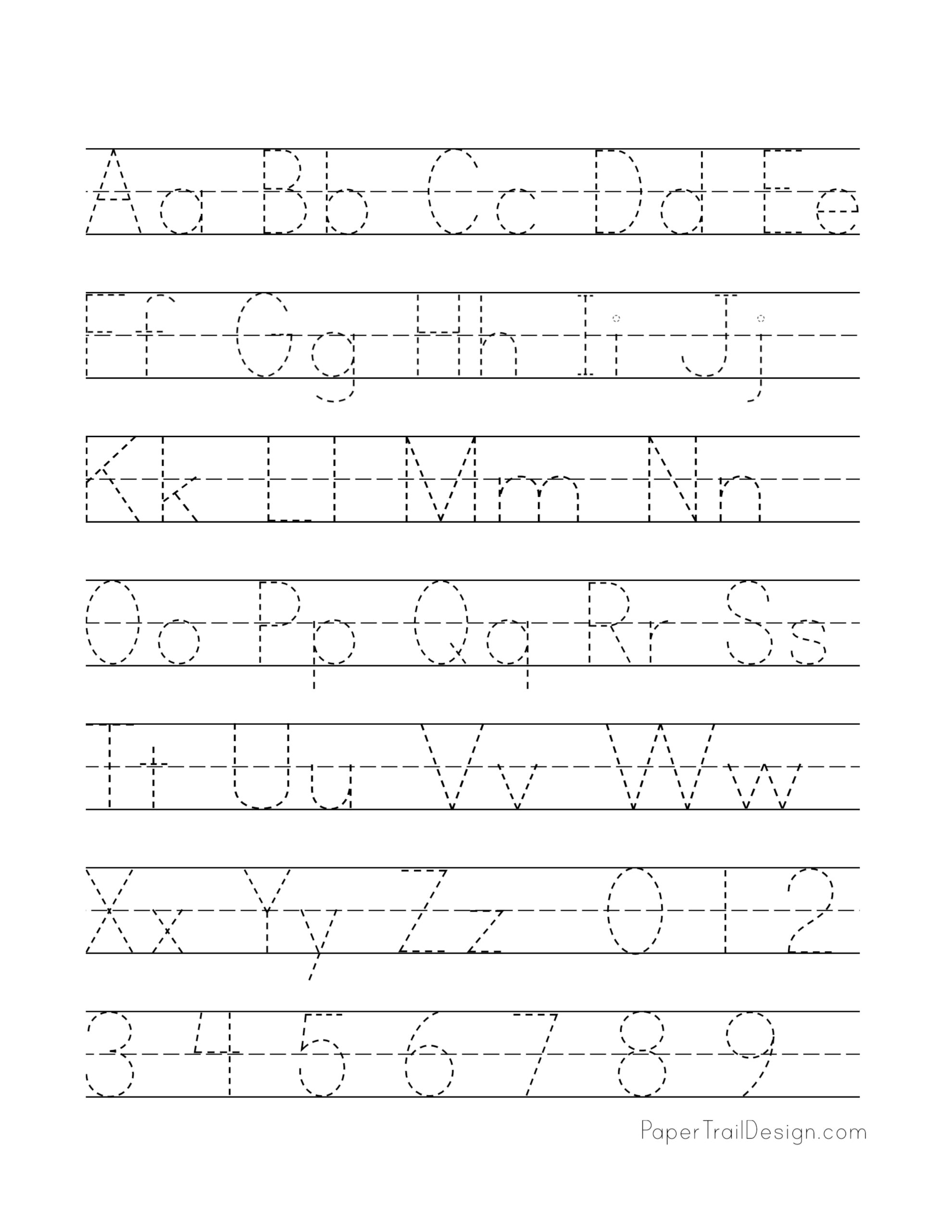
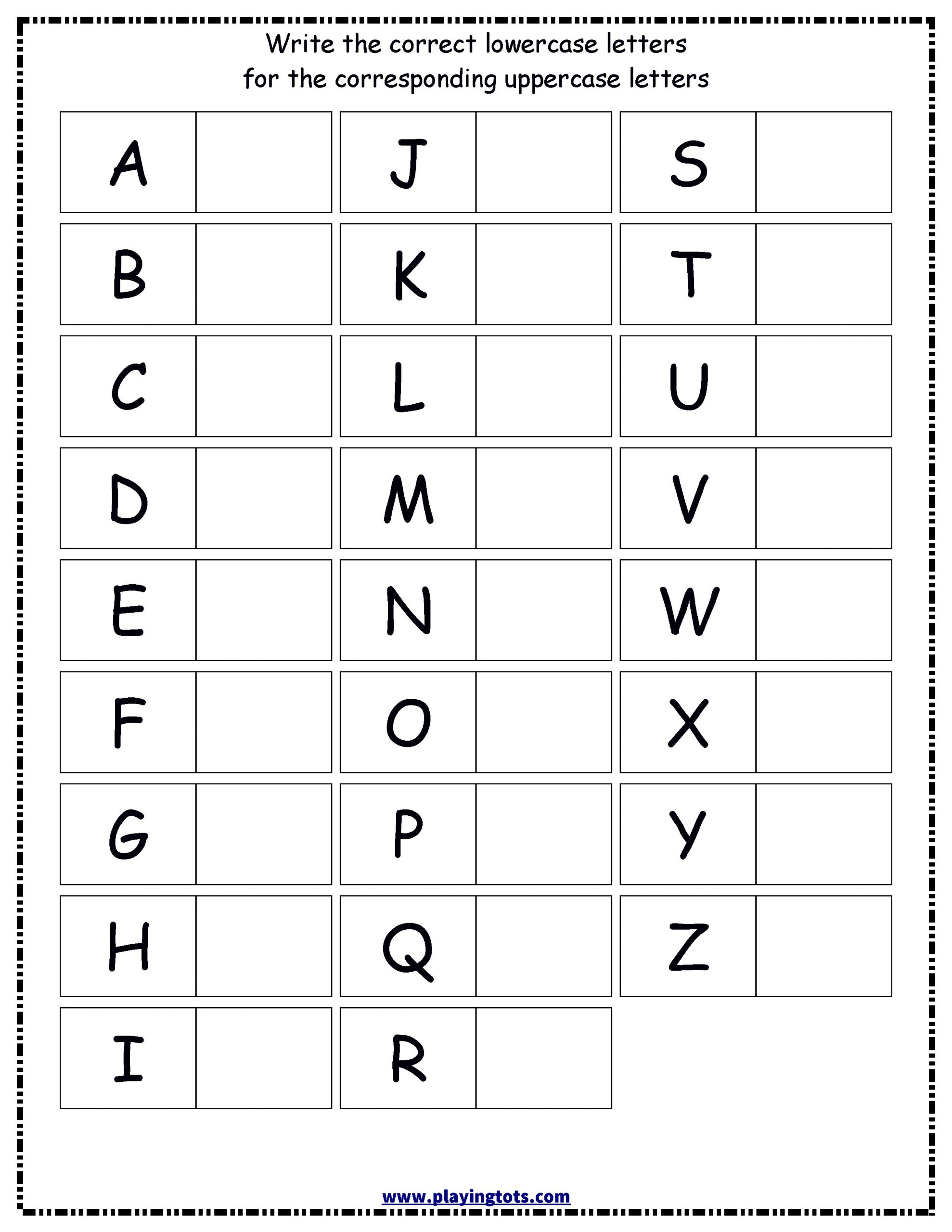
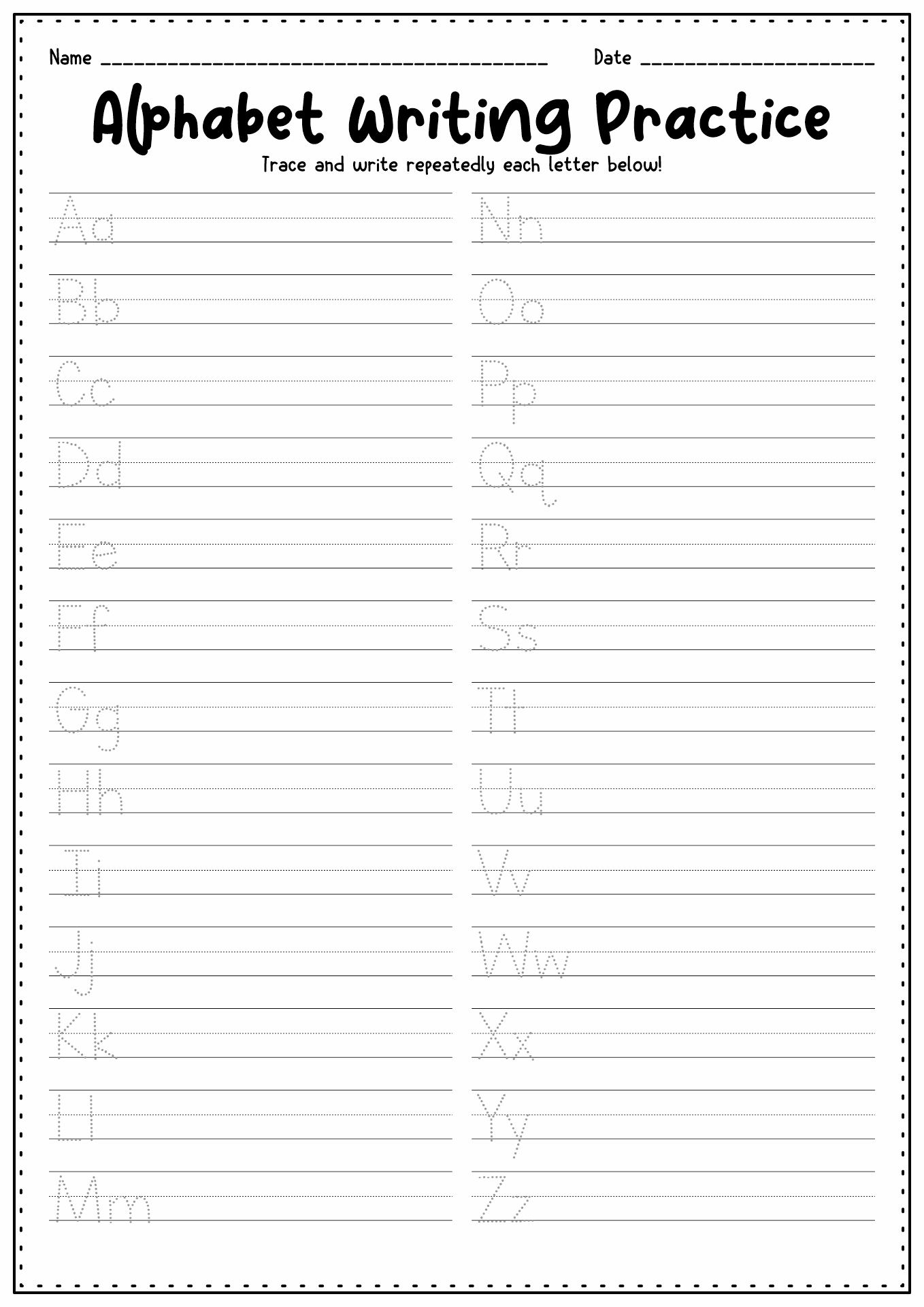
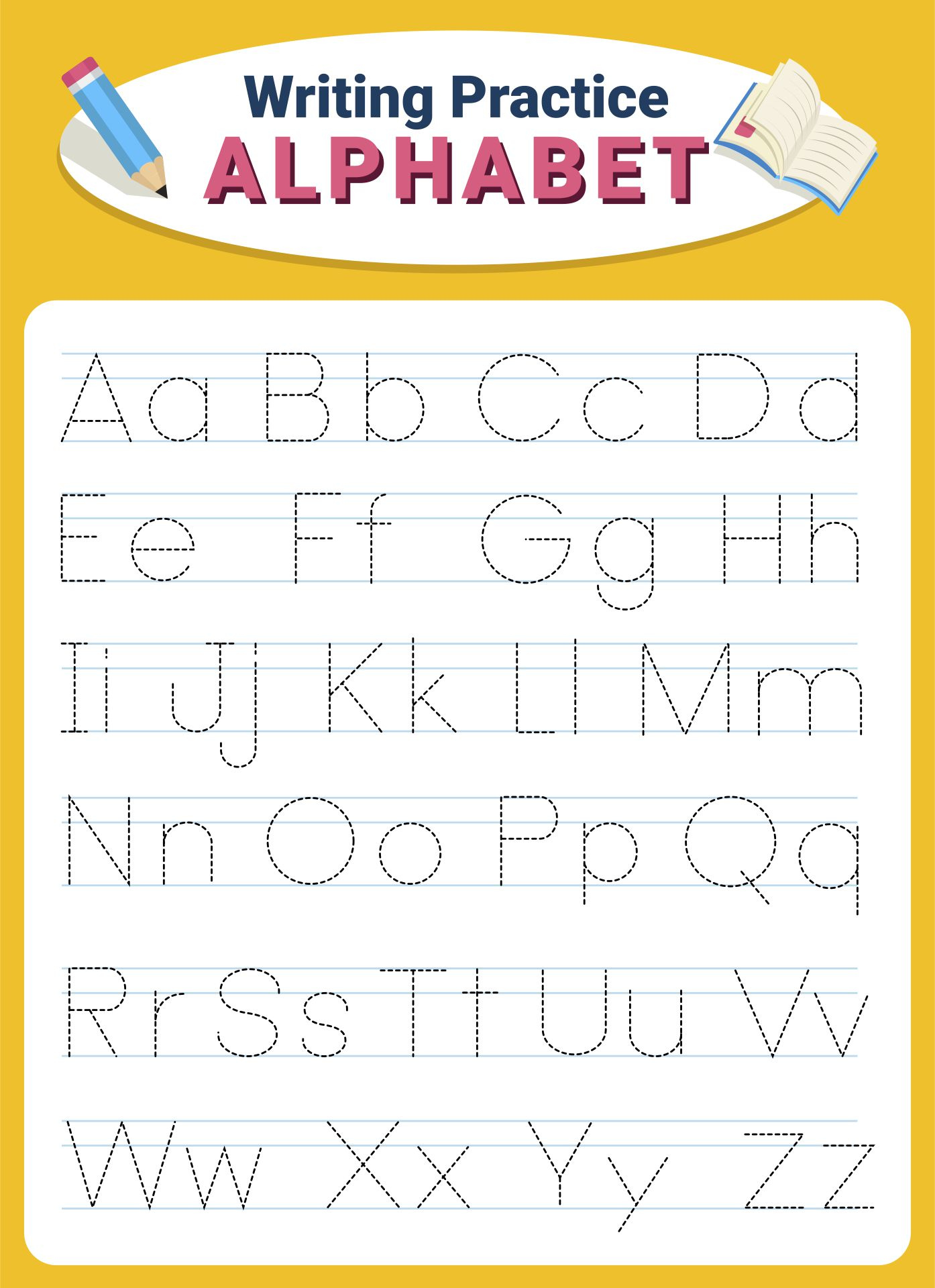
Letter writing in english worksheets provide structured instructional templates designed to build foundational pen control, precise stroke sequencing, and accurate letter character formation for early learners. According to the National Association for the Education of Young Children (NAEYC), purposeful writing experiences that integrate fine motor development with deliberate letter practice are essential for establishing lifelong literacy and fluent handwriting habits. Educators and parents utilize specialized worksheets to scaffold the transition from gross motor scribbling to controlled, standardized English alphabetic symbols. This systematic approach ensures young students internalize the directional lines, baseline orientation, and proportional spacing required for legible communication.
Handwriting Practice Snapshot:
- Core Focus: Systematic mastery of English letter formation and stroke sequences via structured templates.
- Target Scope: Early childhood education, kindergarten classrooms, and structured home-schooling environments.
- Key Recommendation: Pair daily 10-minute targeted tracing worksheets with multisensory writing drills to build lasting muscle memory.
Core Principles and Detailed Overview
Effective letter writing in english worksheets rely on distinct visual cues, directional arrows, and consistent baseline guidelines to promote proper neuromuscular pathways. Mastery of individual English letters depends on starting points, stroke continuity, and correct proportions relative to the writing baseline. When learners engage regularly with targeted letter writing worksheets, cognitive load decreases, allowing greater focus on spelling, vocabulary, and composition. Incorporating foundational preschool worksheets during early developmental stages ensures that hand muscles develop the precise endurance needed for extended writing tasks.
Key Specifications and Breakdown
| Skill Level / Grade | Target Stroke / Mechanical Focus | Pedagogical / Coaching Cue |
|---|---|---|
| Early Preschool (Ages 3-4) | Vertical lines, horizontal lines, and curved pre-writing shapes. | Start all top strokes at the top guideline and pull downward. |
| Kindergarten (Ages 5-6) | Uppercase and lowercase letter formation with primary baselines. | Touch the midline and bottom line consistently without lifting pencils prematurely. |
| First Grade (Ages 6-7) | Proportional spacing, baseline alignment, and fluid letter joining. | Maintain uniform letter heights and standard inter-word spacing. |
Handwriting development requires the integration of visual-perceptual skills, fine motor control, and motor planning to achieve automatic letter formation. — American Occupational Therapy Association (AOTA). Related guide: Free Letter Print Printable Stencils.
Step-by-Step Practical Application and Guidelines
Implementing letter writing in english worksheets successfully requires a structured, multi-step daily routine that prioritizes stroke accuracy over completion speed. Educators and caregivers should begin each session by demonstrating the target letter on a whiteboard, explicitly calling out the starting point and directional arrows. Students then trace large-format models using their index fingers before transitioning to pencil work on printable name practice worksheets and alphabet templates. Monitoring pencil grasp and paper tilt during these exercises prevents physical fatigue and ensures long-term ergonomic health for young writers.
Common Challenges and How to Avoid Them
Reversed letter forms, incorrect pencil grips, and starting strokes from the bottom upward represent the most frequent obstacles encountered during early writing instruction. Correcting these tendencies early requires substituting improper habits with immediate, positive reinforcement and tactile tracing guides such as textured coloring worksheets that reinforce fine motor control. Instructors must consistently monitor student posture, ensuring feet remain flat on the floor and the non-dominant hand firmly stabilizes the paper to maintain accurate alignment.
💬 Frequently Asked Questions
Explore More Free Handwriting and Character Worksheets
Access an extensive library of free educational materials designed to support early literacy, pencil grip development, and alphabet mastery by visiting CharacterWritingWorksheets.com today.
Worksheet Previews & Reference Materials