Introduction
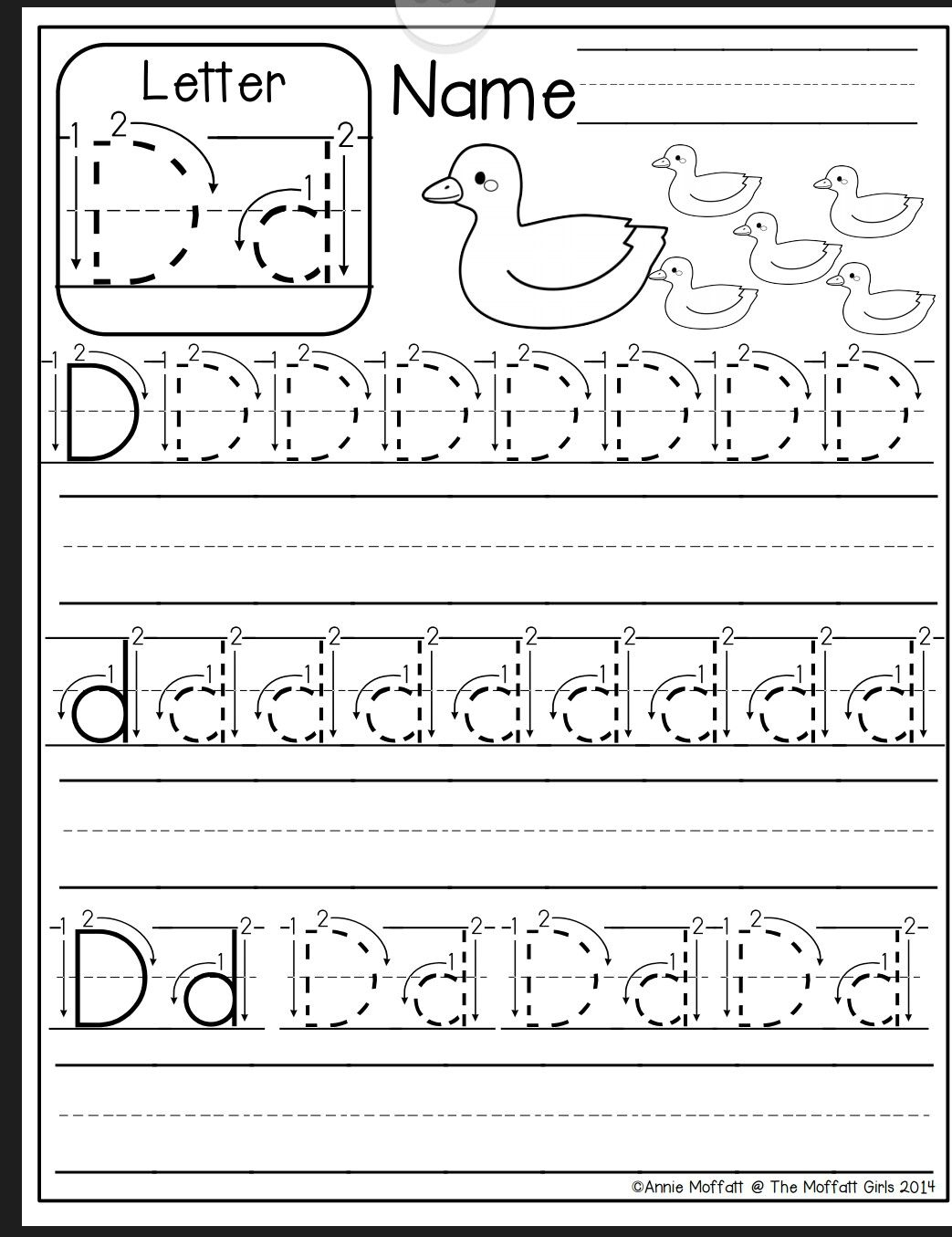
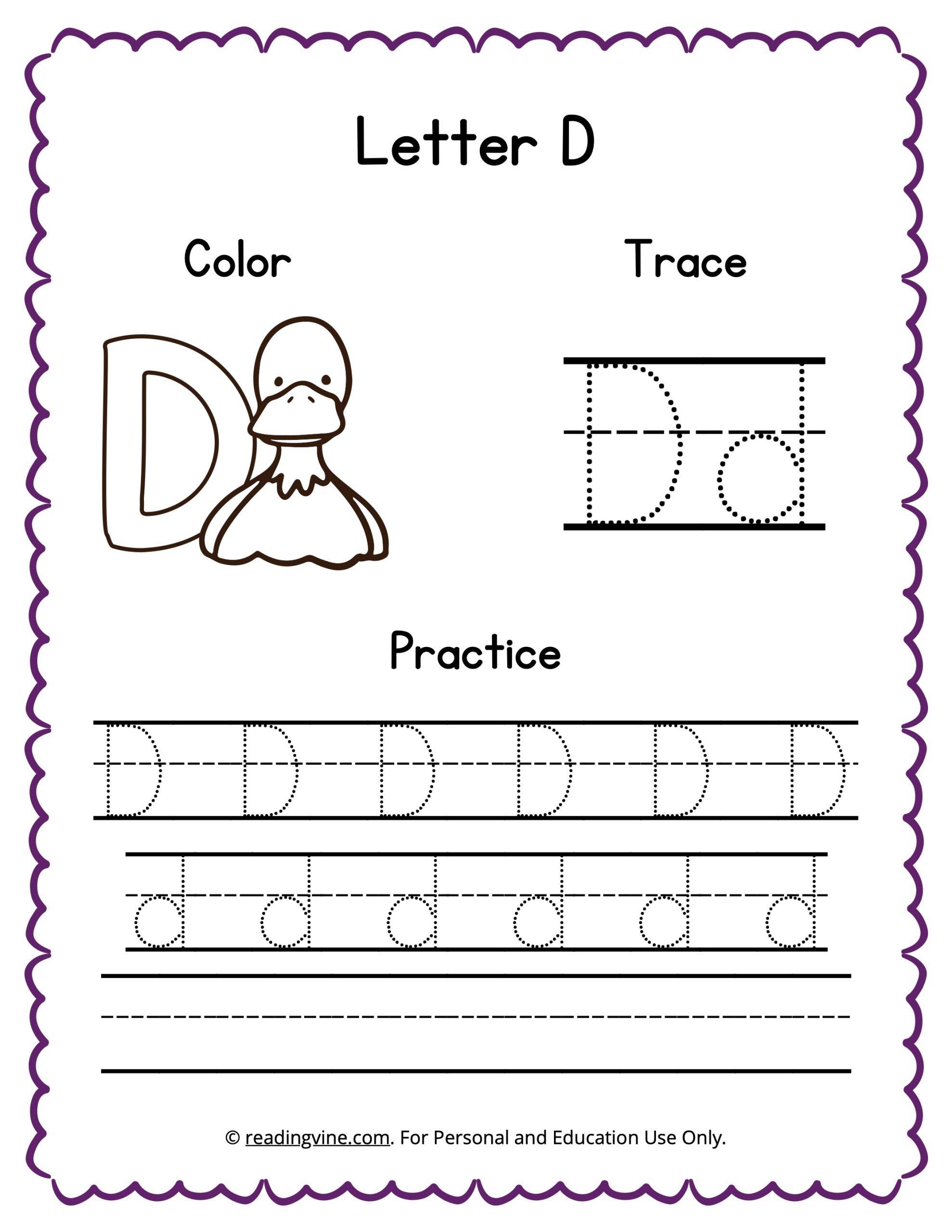
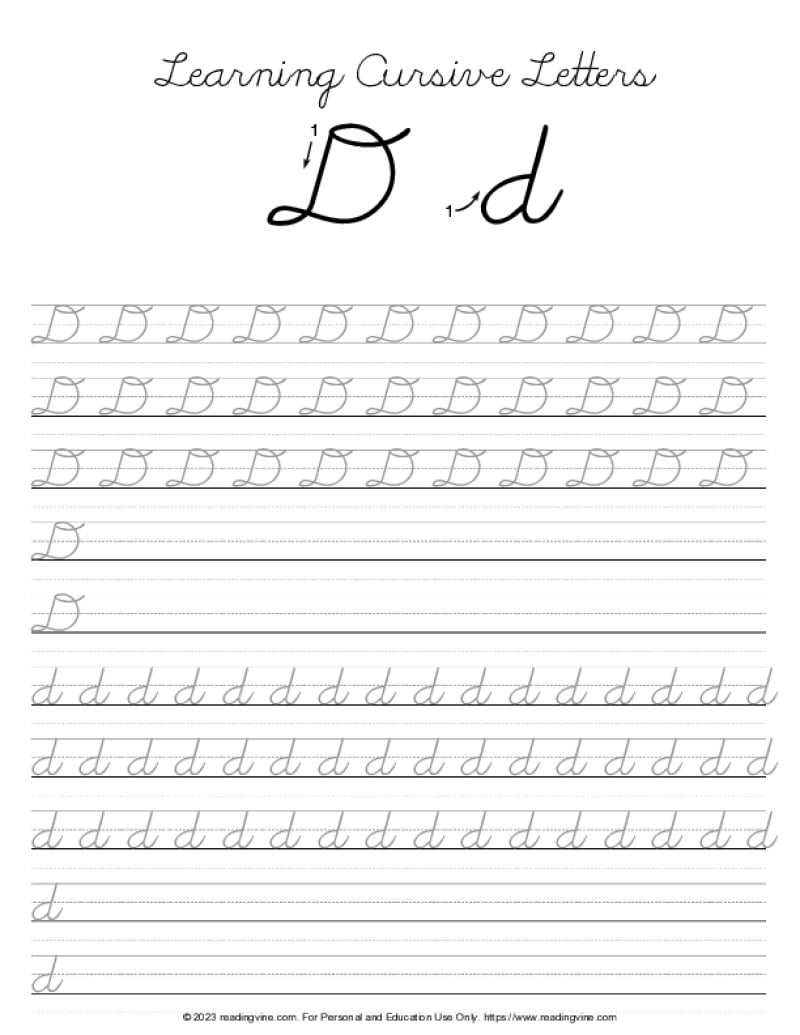
Handwriting letter d worksheets provide targeted graphic-motor practice designed to build precise stroke mechanics for both lowercase and uppercase letter formation. According to the National Association for the Education of Young Children (NAEYC), foundational writing proficiency develops most effectively through structured, multisensory practice that reinforces pencil grip, correct starting points, and fluid directional movement. Utilizing specialized letter writing worksheets ensures early learners internalize the distinct anticlockwise circle and vertical ascender required for the letter d without confusing it with symmetrical counterparts like b or p.
Handwriting Practice Snapshot:
- Core Focus: Mastering the specific clockwise and vertical stroke sequences for the letter d.
- Target Scope: Early childhood education settings, kindergarten classrooms, and home-school environments.
- Key Recommendation: Pair structured tracing pages with tactile sky-writing before transitioning to standard paper.
Core Principles and Detailed Overview
Letter d handwriting mechanics depend on isolating two distinct geometric strokes: a counter-clockwise curved circle followed immediately by a tall vertical pull-down stroke. Incorporating diverse preschool worksheets into daily routines helps young children build the necessary visual-spatial awareness and bilateral hand coordination required to anchor their writing on baseline guides. Educators must monitor starting points closely to prevent bottom-up or reverse looping habits that slow writing speed and compromise legibility as academic writing demands increase.
Key Specifications and Breakdown
| Skill Level / Grade | Target Stroke / Mechanical Focus | Pedagogical / Coaching Cue |
|---|---|---|
| Early Preschool (Ages 3-4) | Continuous circular motion and gross motor tracing | “Start at the top curve, sweep around, and pull down.” |
| Kindergarten (Ages 5-6) | Proper baseline alignment and ascender height proportions | “Make a magic c, close the circle, push straight up, pull straight down.” |
| First Grade (Ages 6-7) | Fluid pacing, automaticity, and spacing consistency | “Keep the pencil moving smoothly from the circle into the stem.” |
Fine-motor control and directional consistency are essential prerequisites for legible handwriting development. — American Occupational Therapy Association (AOTA). Related guide: Free Letter Print Printable Stencils.
Step-by-Step Practical Application and Guidelines
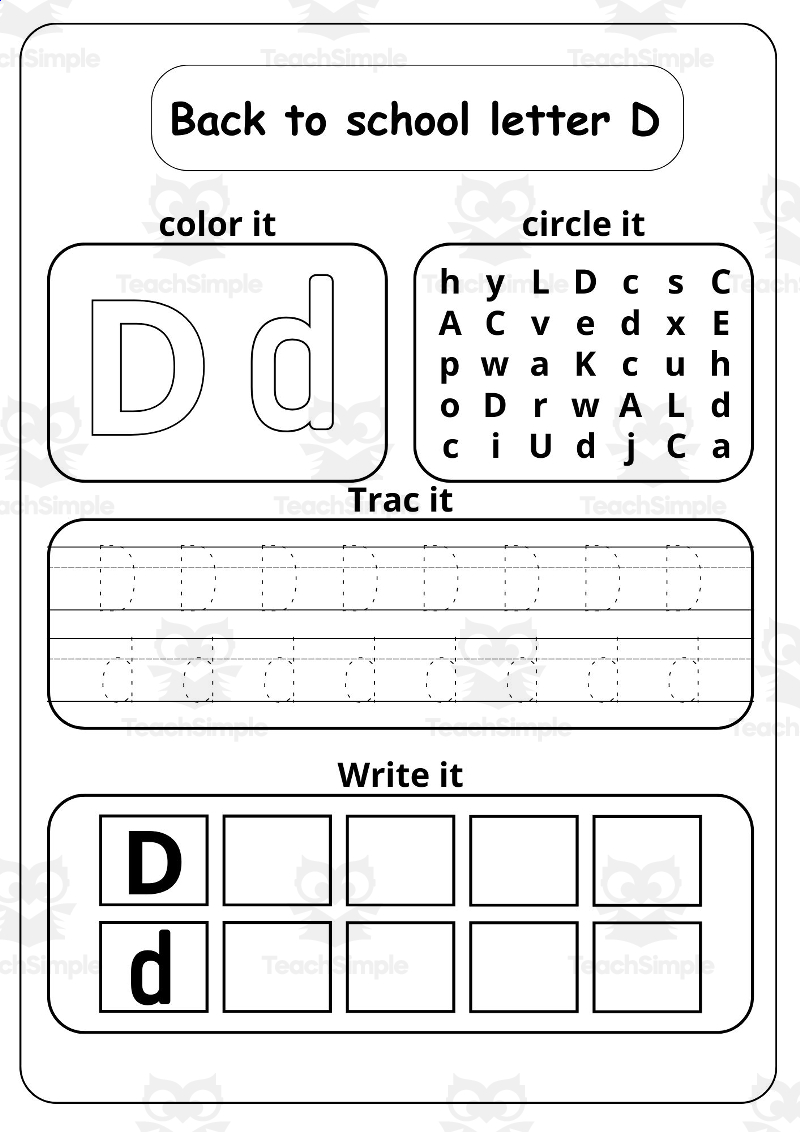
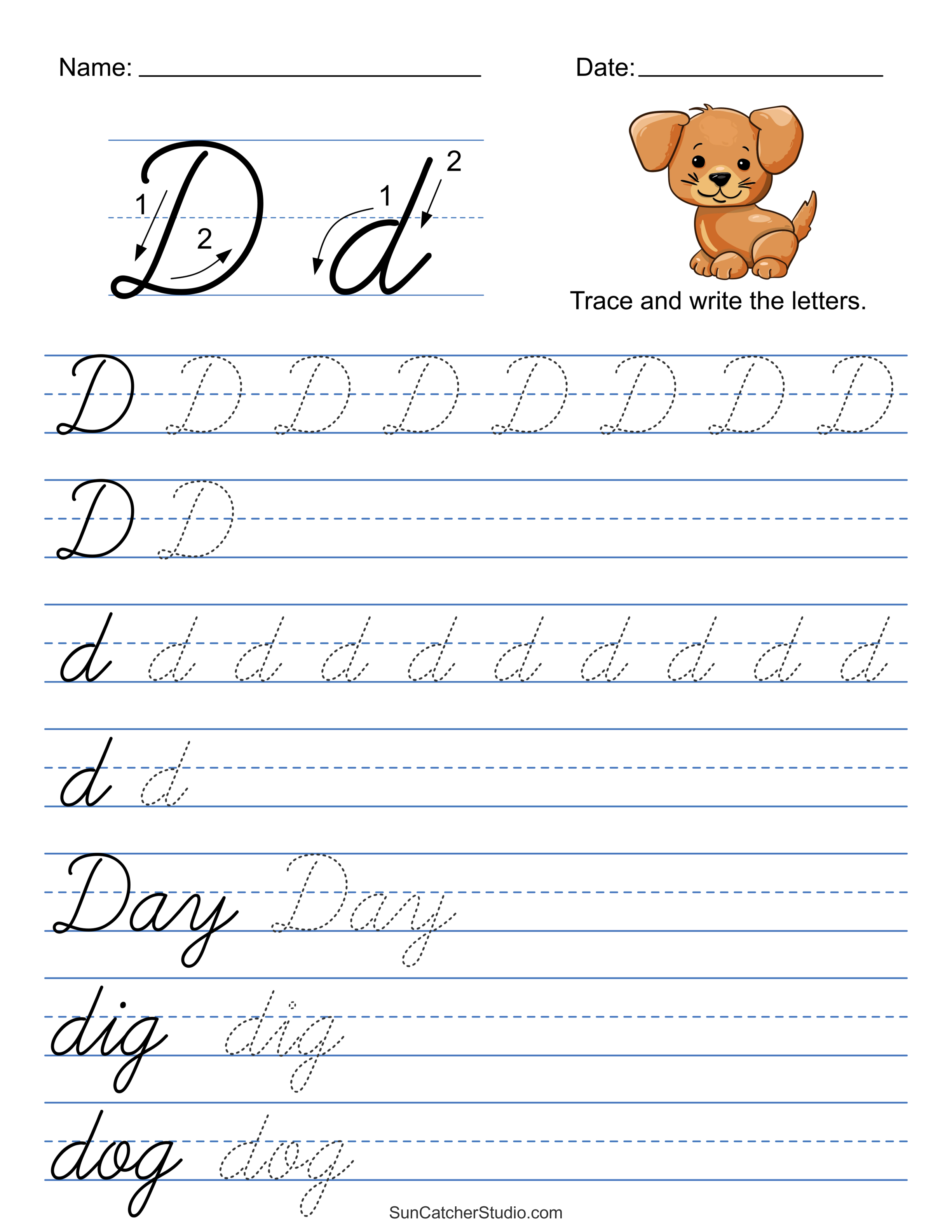
Effective instruction requires integrating specialized tracing worksheets that gradually fade visual scaffolding from bold directional arrows to independent dotted lines. Instructors should first demonstrate the formation on a lined surface, emphasizing that the lowercase d begins with a curved stroke akin to the letter c before closing into a vertical line. Students then trace large-format models using dry-erase markers or colored pencils before moving to standard primary writing lines. Regular integration with name practice worksheets reinforces these exact vertical and curved motor memories in meaningful contexts.
Common Challenges and How to Avoid Them
Reversing the letter d with b or g represents the most frequent developmental hurdle during early literacy instruction. Instructors combat this confusion by emphasizing distinct verbal mnemonics and utilizing targeted coloring worksheets that visually isolate the letter shape within engaging thematic illustrations. Establishing a consistent physical starting point and reinforcing left-to-right progression prevents learners from lifting their writing utensils improperly between the circular body and the vertical stem.
💬 Frequently Asked Questions
Explore More Free Handwriting and Character Worksheets
Access an extensive library of educational resources, dynamic practice sheets, and foundational writing tools directly through CharacterWritingWorksheets.com. Explore diverse categories including comprehensive worksheets designed to support every stage of early childhood literacy and motor skill development.
Worksheet Previews & Reference Materials