Introduction
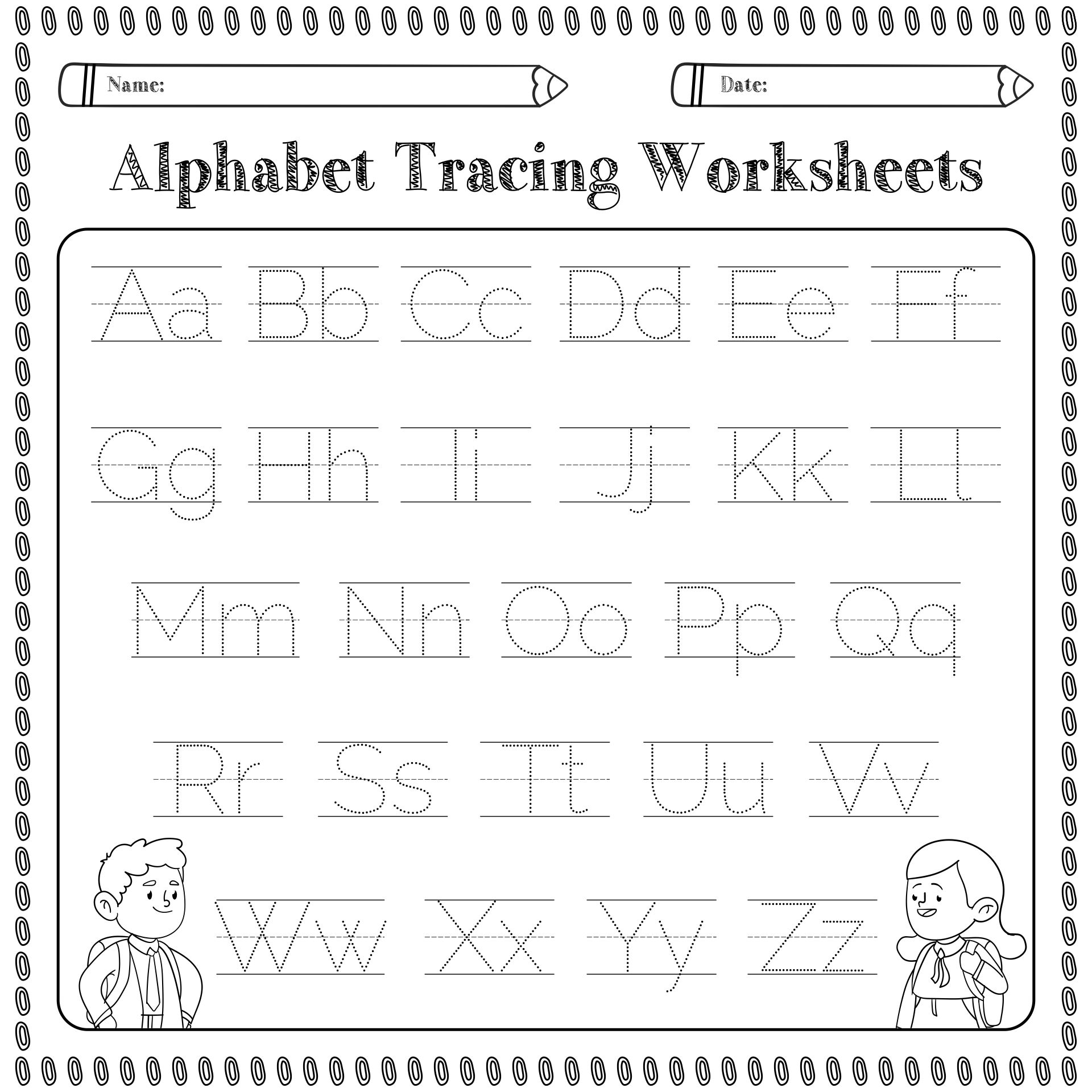
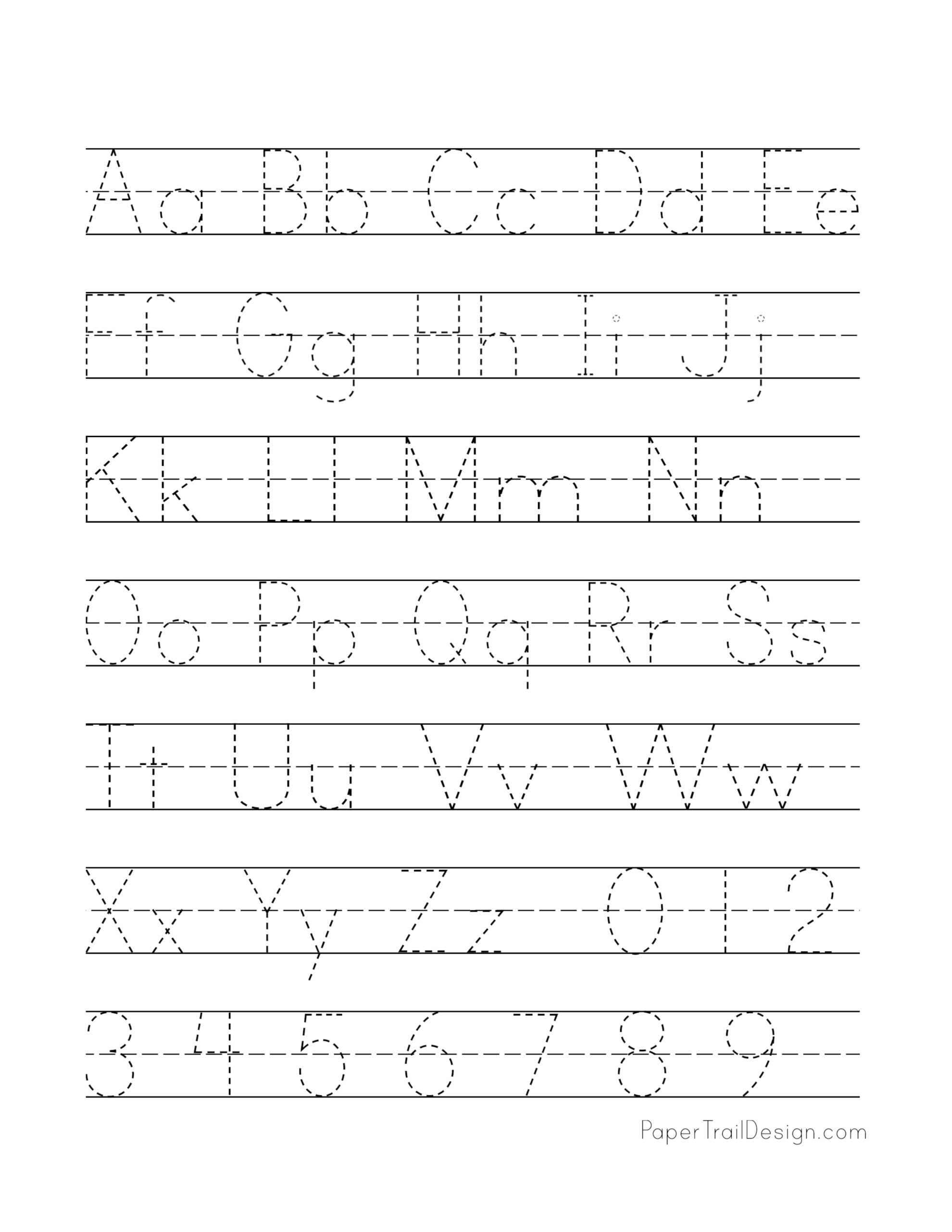
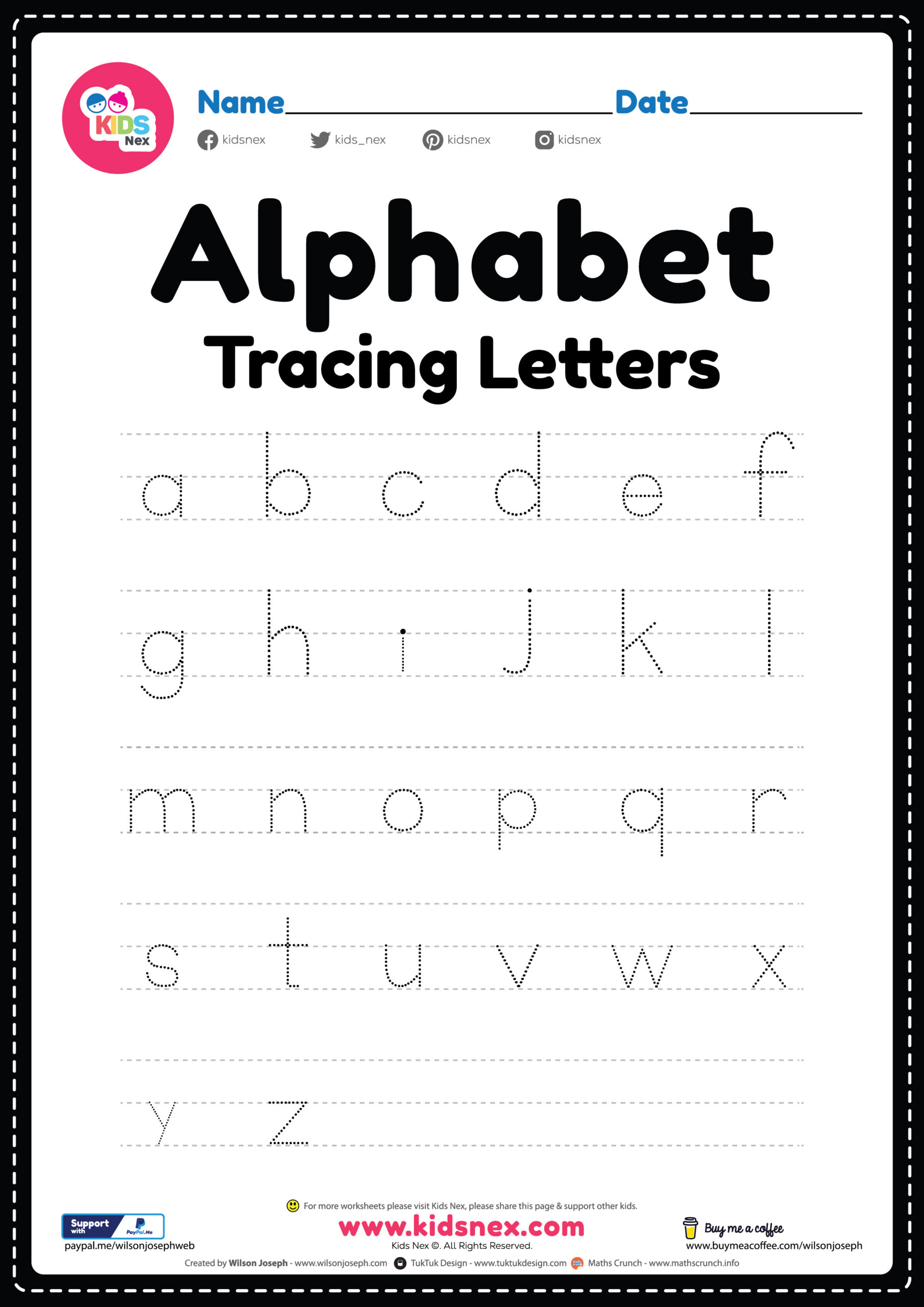
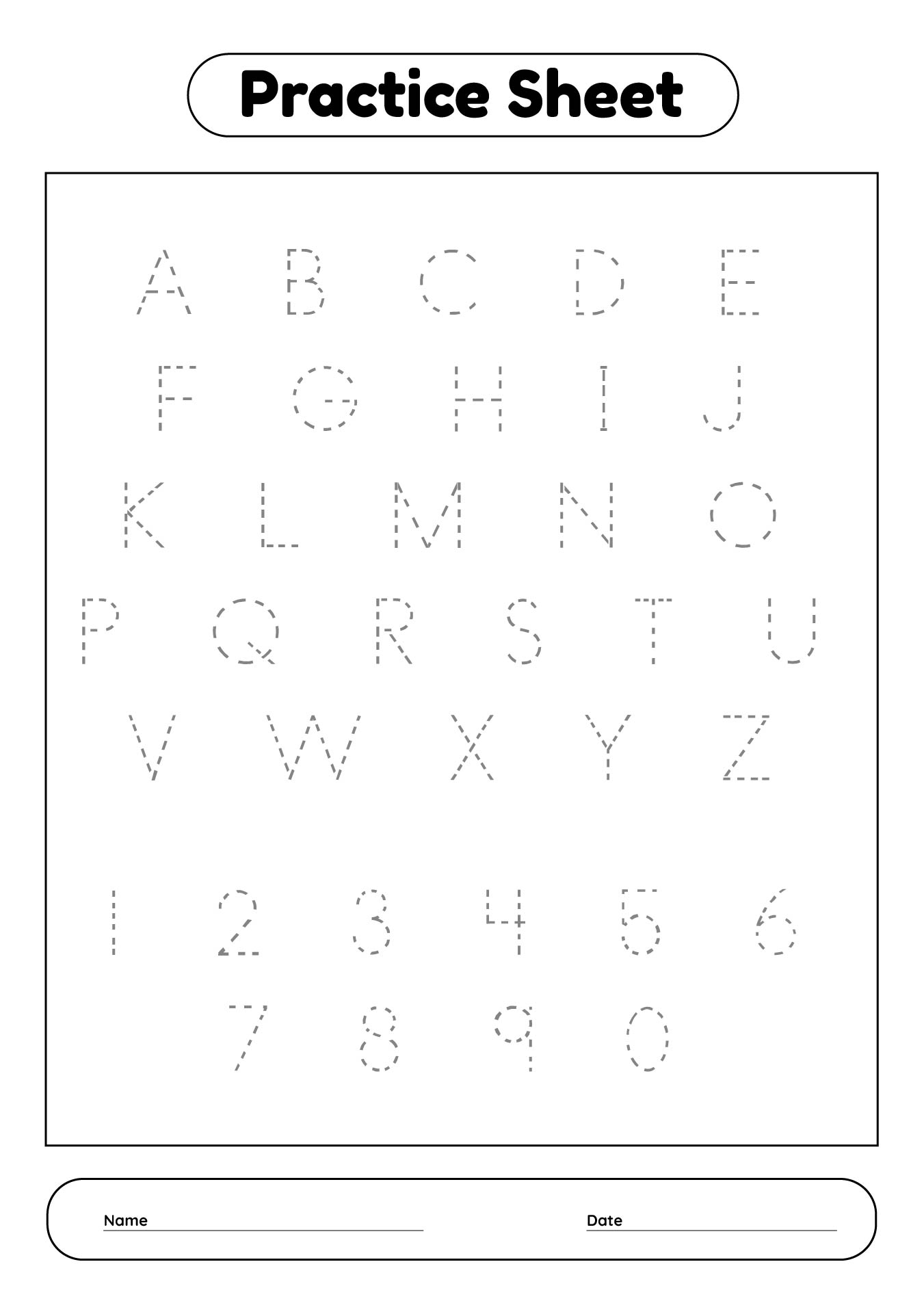
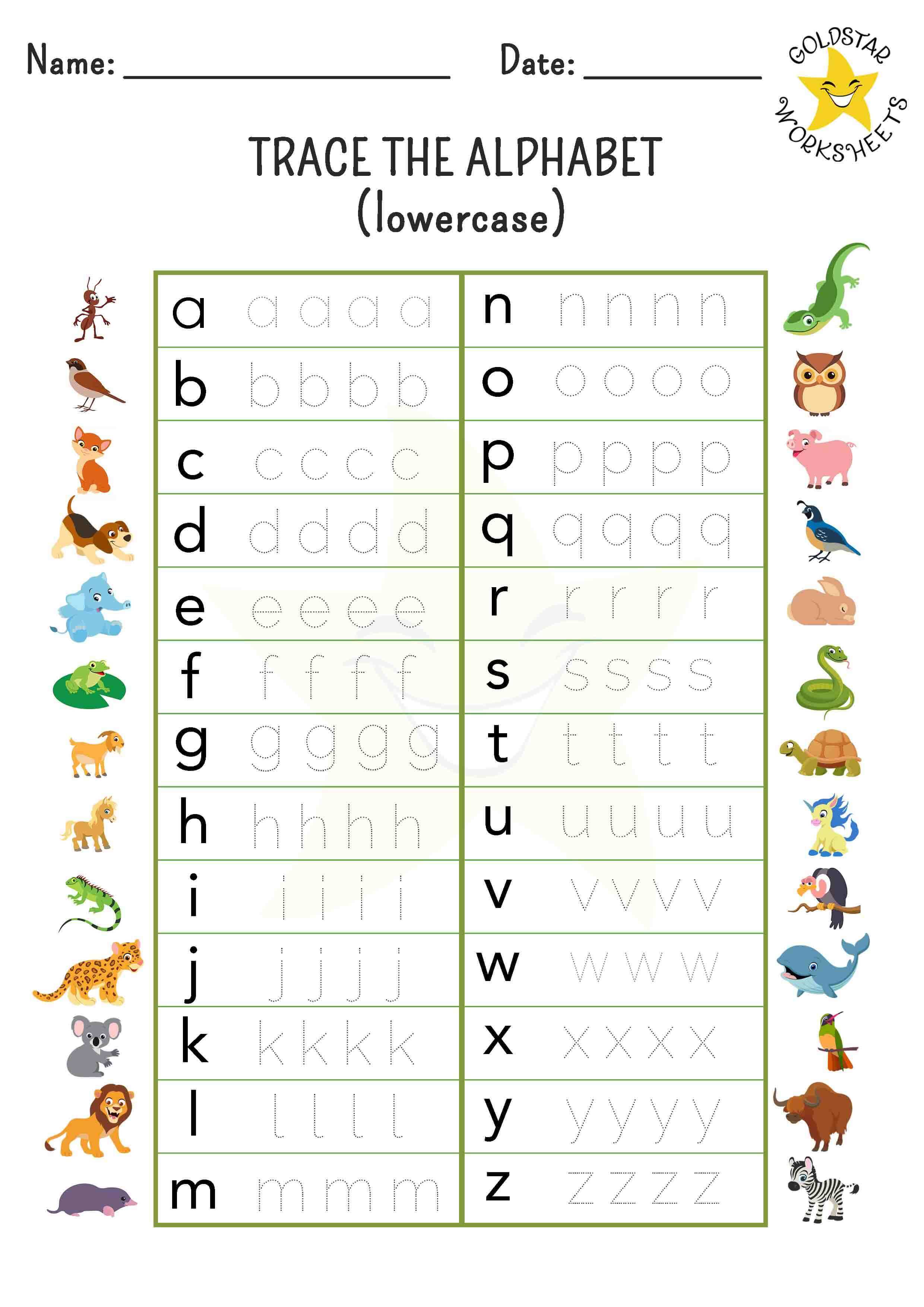
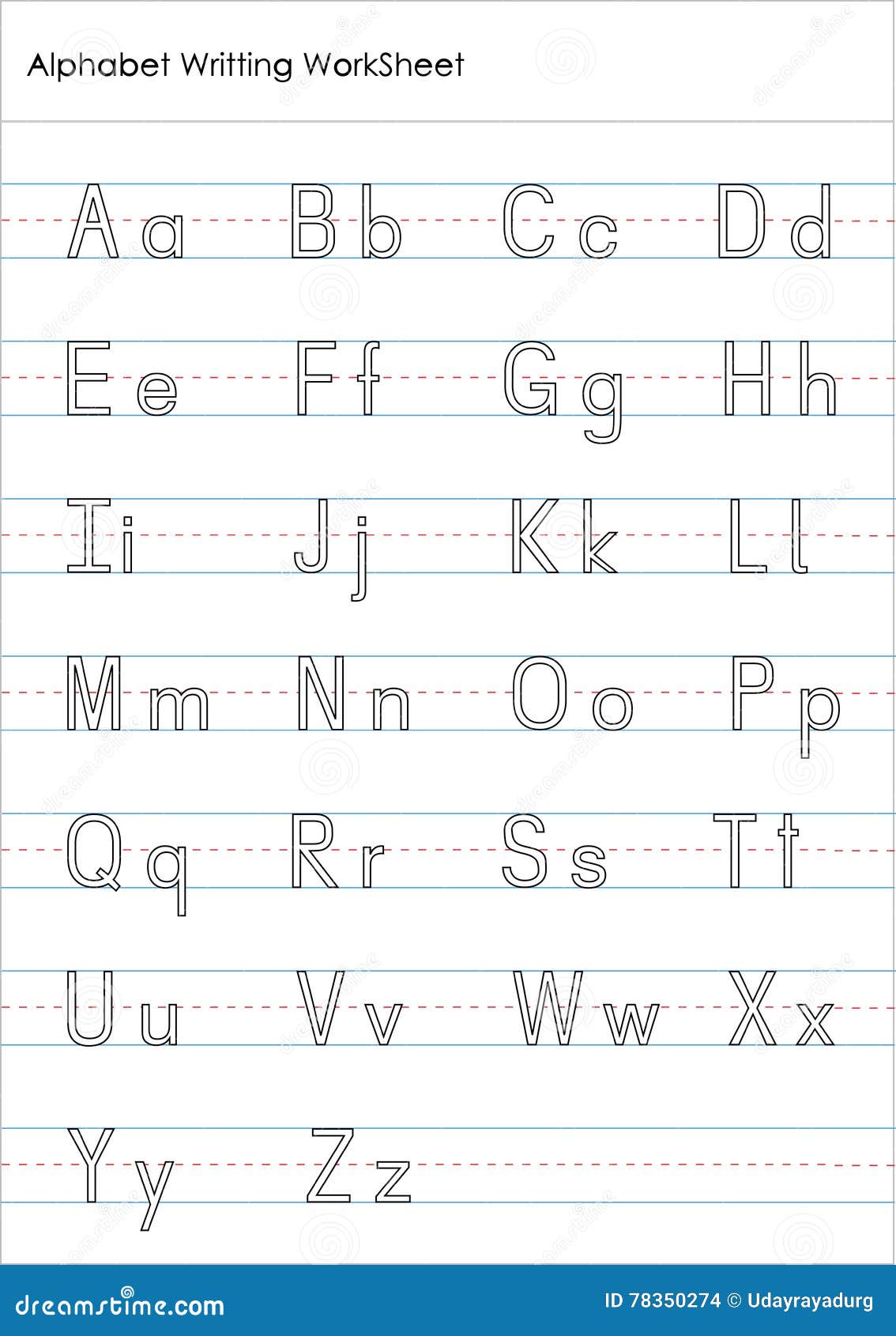
Alphabet writing practice worksheets download resources provide structured templates that establish foundational fine-motor skills, correct stroke sequences, and reliable pencil grips for early learners. According to the National Association for the Education of Young Children (NAEYC), purposeful writing experiences integrated into early childhood environments significantly enhance orthographic awareness and letter recognition fluency. Utilizing printable resources bridges the gap between abstract symbol recognition and fluid muscular memory. Educators and parents often turn to specialized preschool worksheets to build early academic stamina and cognitive focus during formative learning stages.
Handwriting Practice Snapshot:
- Core Focus: Alphabet writing practice worksheets download materials engineered for systematic letter formation and fine-motor control.
- Target Scope: Early childhood classrooms, special education interventions, and home-school environments.
- Key Recommendation: Implement daily short-duration sessions paired with directional arrow guides to reinforce muscle memory.
Core Principles and Detailed Overview
Alphabet writing practice worksheets download assets function as targeted instructional tools designed to guide hand movements through standardized spatial parameters. Effective sheets integrate three-line guidelines, directional starting dots, and sequential stroke numbering to eliminate bad habits before they solidify. Mastery depends heavily on progressive complexity, starting with vertical and horizontal strokes before advancing to diagonal lines and loops. Teachers frequently combine these templates with comprehensive letter writing worksheets to ensure learners transition successfully from tracing dotted outlines to independent recall and freehand production.
Key Specifications and Breakdown
| Skill Level / Grade | Target Stroke / Mechanical Focus | Pedagogical / Coaching Cue |
|---|---|---|
| Pre-K / Early Learners | Horizontal lines, vertical lines, and basic circles | “Start at the top sky line and pull straight down to the ground.” |
| Kindergarten | Uppercase formation and standard letter proportions | “Touch the top line, make a big loop, and rest on the bottom.” |
| 1st Grade | Lowercase ascenders, descenders, and spacing control | “Keep the lowercase body small between the middle and bottom lines.” |
Proper grasp development, baseline adherence, and consistent stroke sequence form the biomechanical pillars of legible early writing. — American Occupational Therapy Association (AOTA). Related guide: Free Letter Print Printable Stencils.
Step-by-Step Practical Application and Guidelines
Alphabet writing practice worksheets download implementation requires a deliberate sequence to maximize mechanical retention and minimize hand fatigue. Begin by inspecting workstation ergonomics, ensuring feet flat on the floor and paper tilted at a comfortable angle matching the learner’s writing hand. Introduce a single letter per session, demonstrating the exact starting point and directional flow on a whiteboard before distributing the physical printout. Guide learners to complete three guided tracing iterations before attempting independent freehand practice on the blank primary lines. Integrating supplemental tracing worksheets maintains continuous engagement and reinforces spatial awareness across varying font sizes.
Common Challenges and How to Avoid Them
Reverse letter formation and heavy pencil pressure represent the most frequent obstacles encountered during early handwriting instruction. Educators can prevent these setbacks by monitoring the initial stroke placement rather than focusing solely on the finished aesthetic result. When learners exhibit hand cramps or finger fatigue, instruction must pause immediately to reset the tripod grasp and loosen tight muscular tension. Furthermore, pairing standard letter practice with specialized name practice worksheets provides immediate personal relevance, which naturally drives intrinsic motivation and corrects erratic stroke direction.
💬 Frequently Asked Questions
Explore More Free Handwriting and Character Worksheets
Expanding early literacy toolkits requires access to diverse, high-quality pedagogical materials designed to support every stage of development. Instructors can discover a comprehensive collection of supplementary printables by visiting CharacterWritingWorksheets.com, where an extensive library awaits to enhance fine-motor control, letter recognition, and creative expression. Browse specialized resources including engaging coloring worksheets and structured daily exercises designed to foster lifelong writing confidence and academic success.
Worksheet Previews & Reference Materials