Introduction
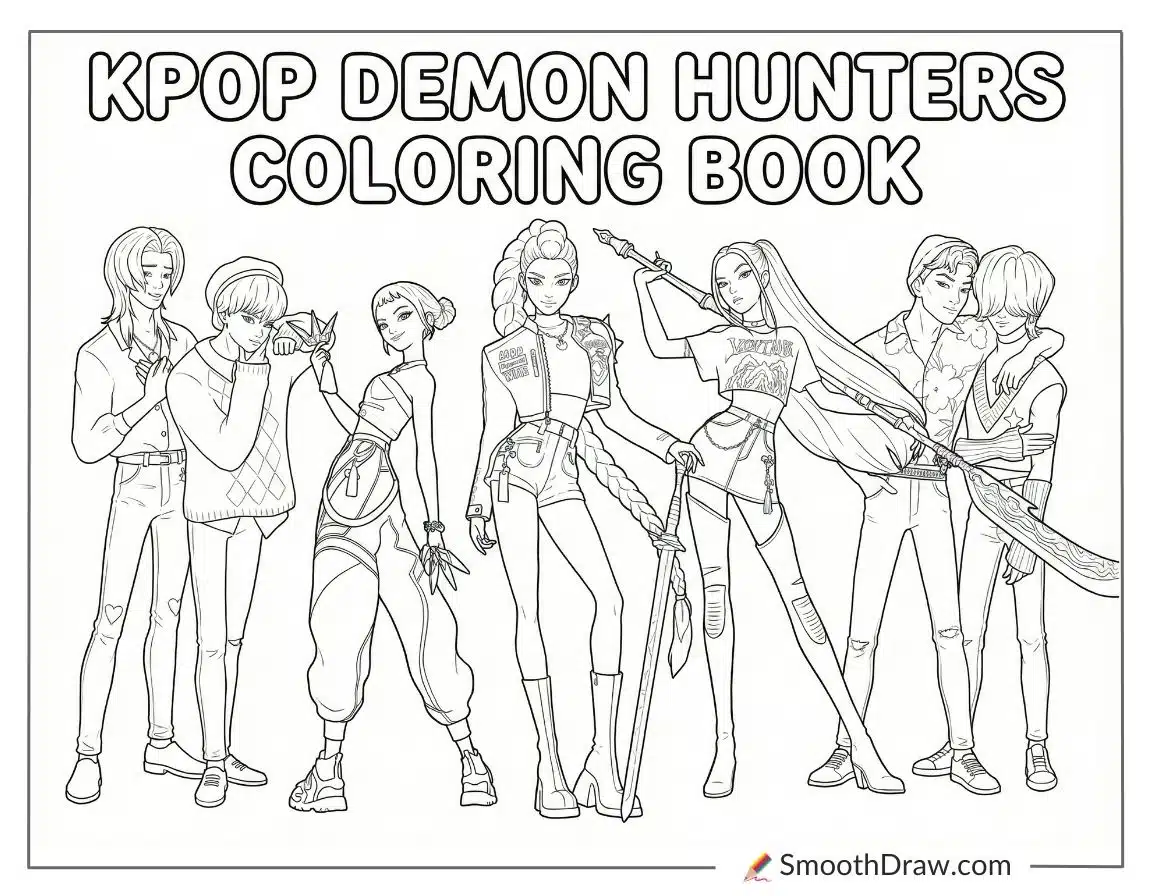
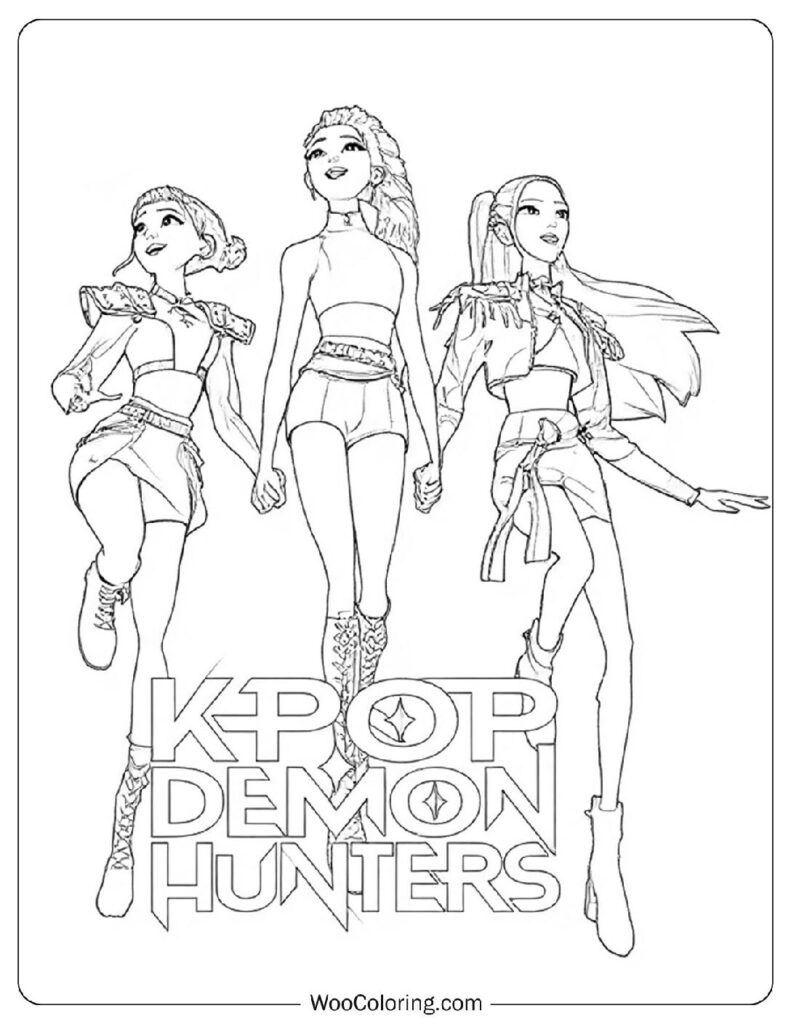
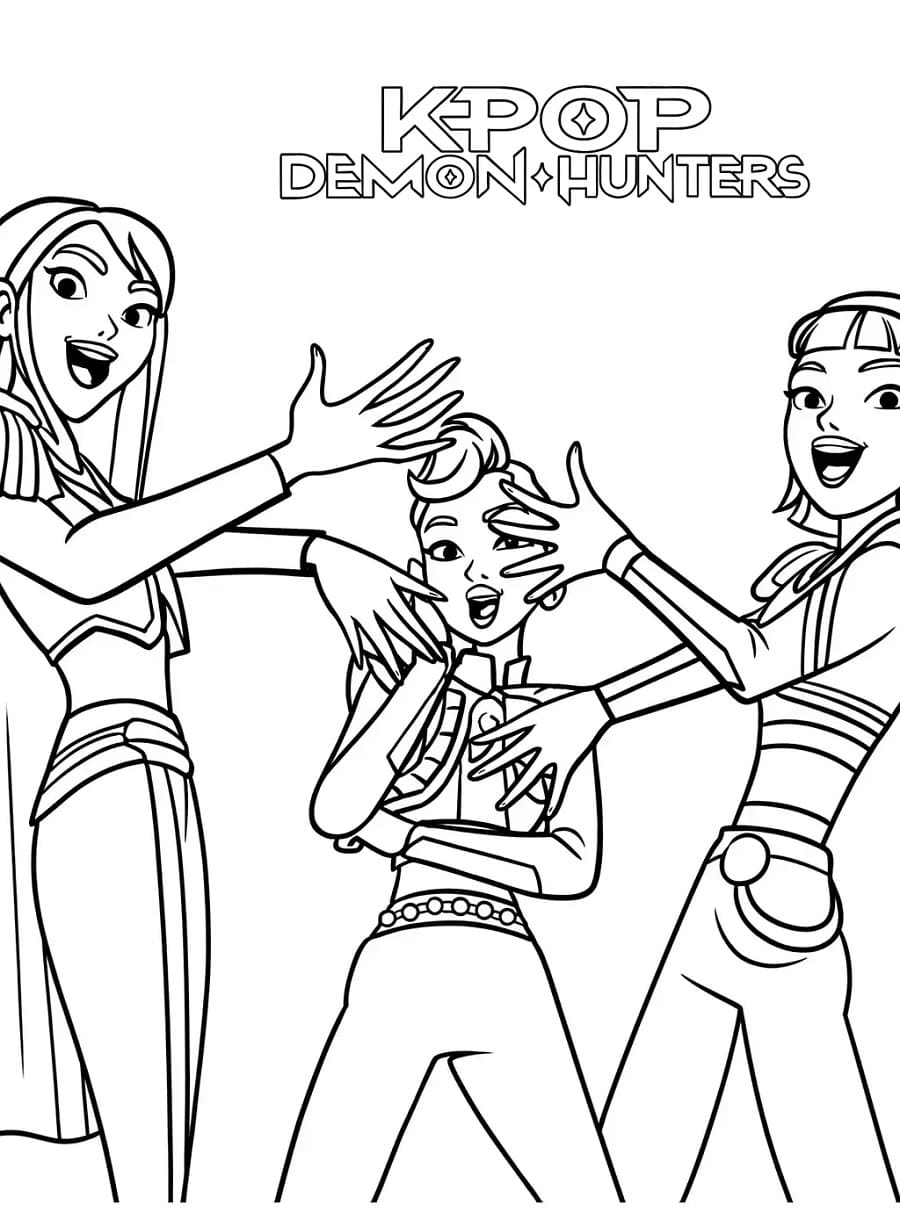
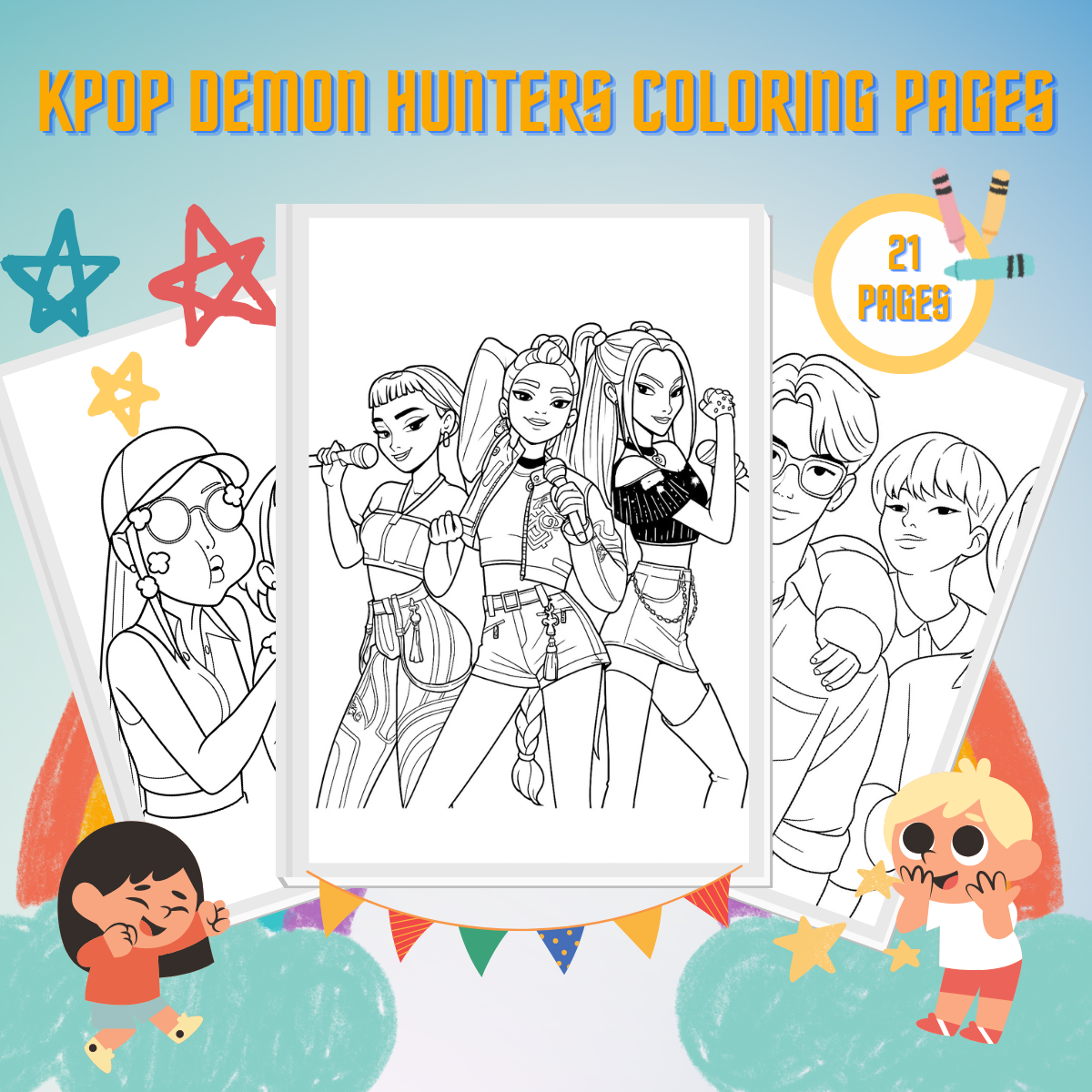
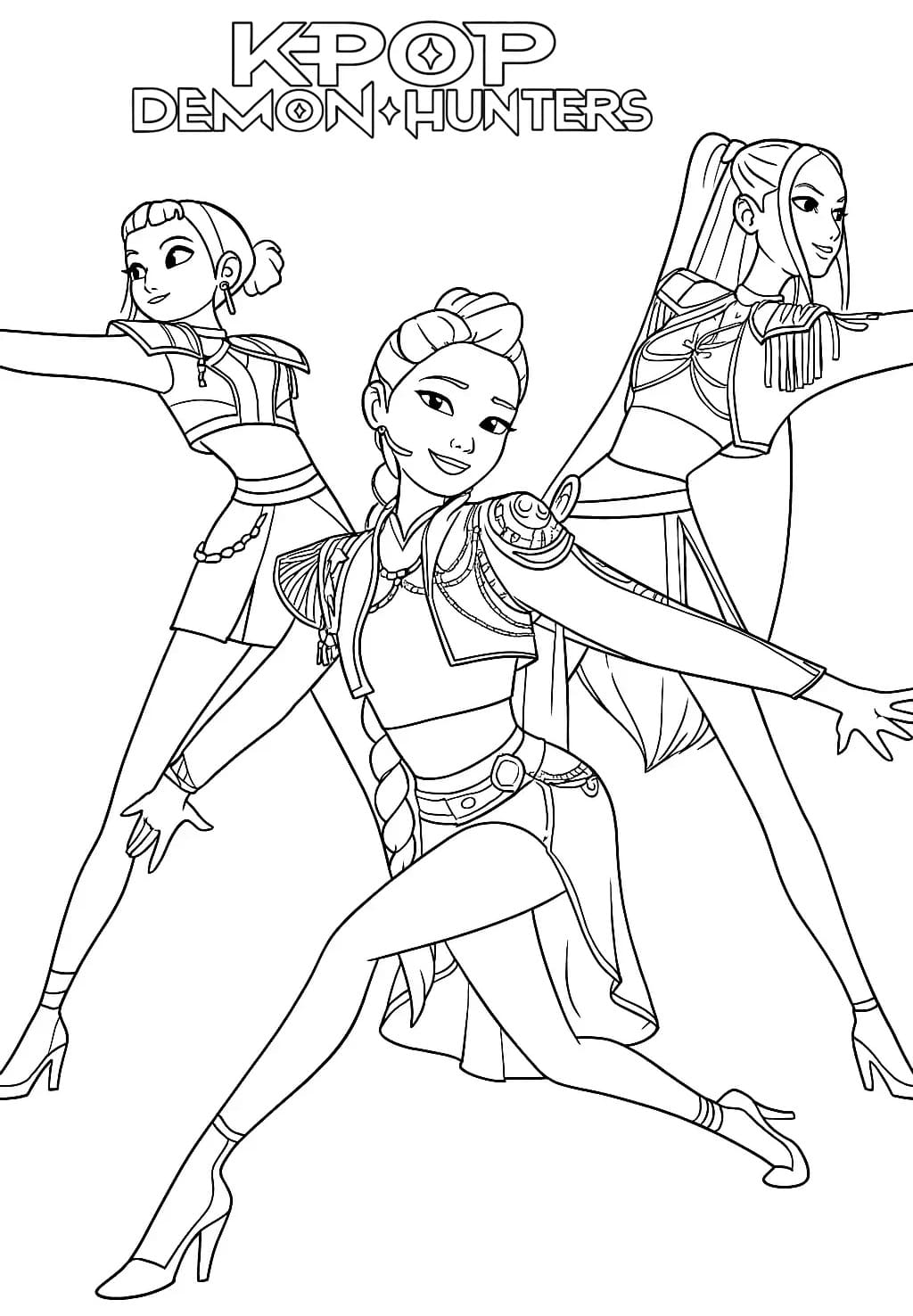
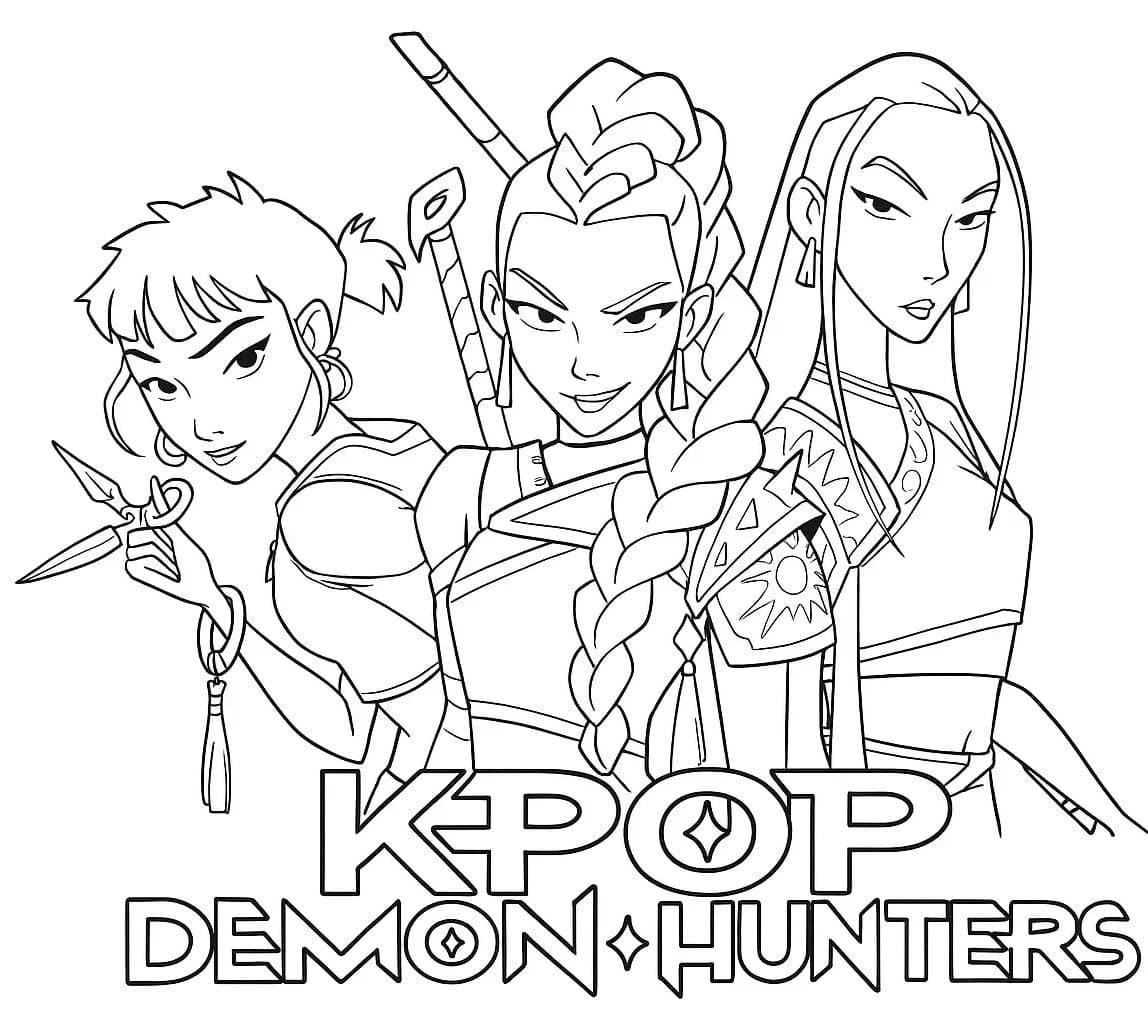
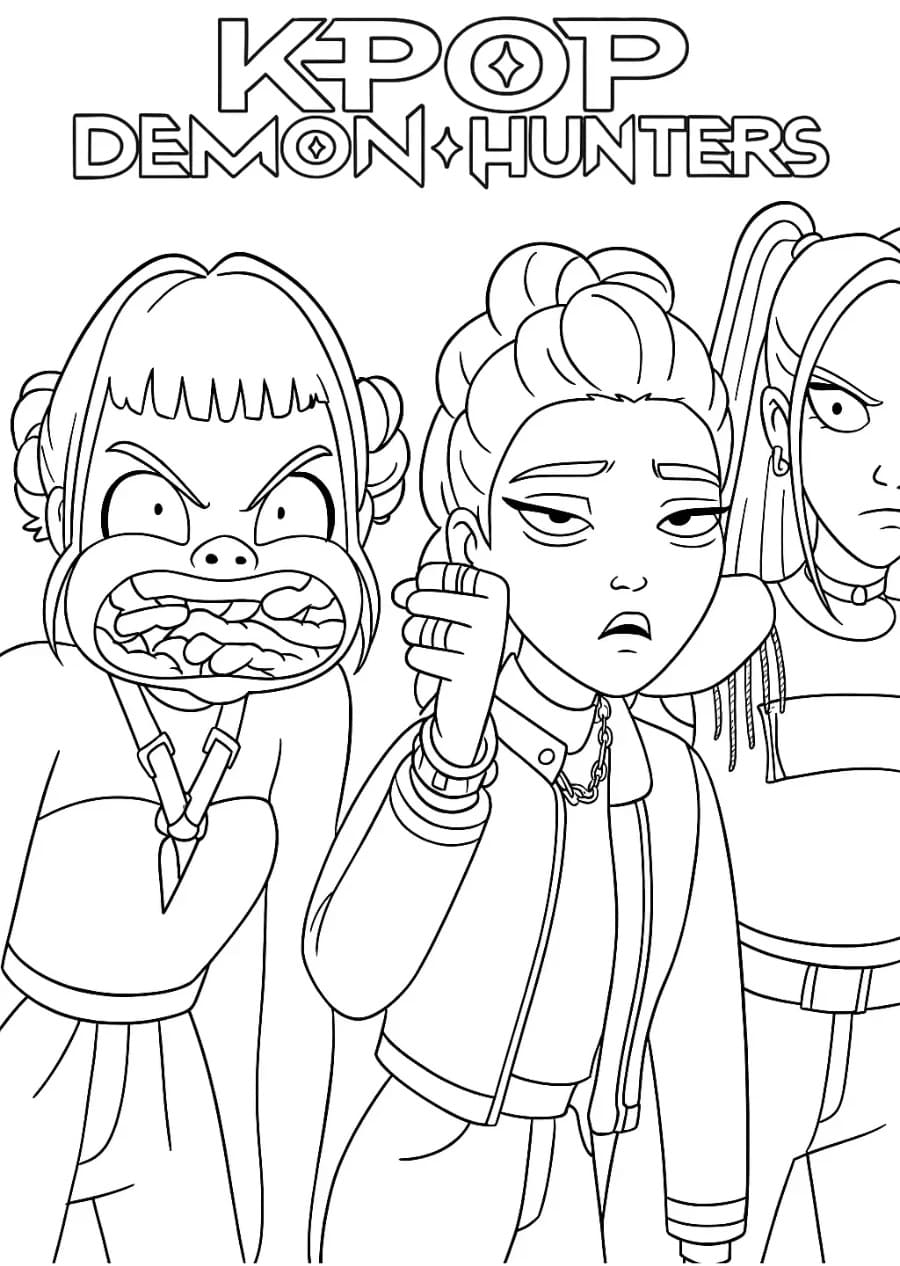
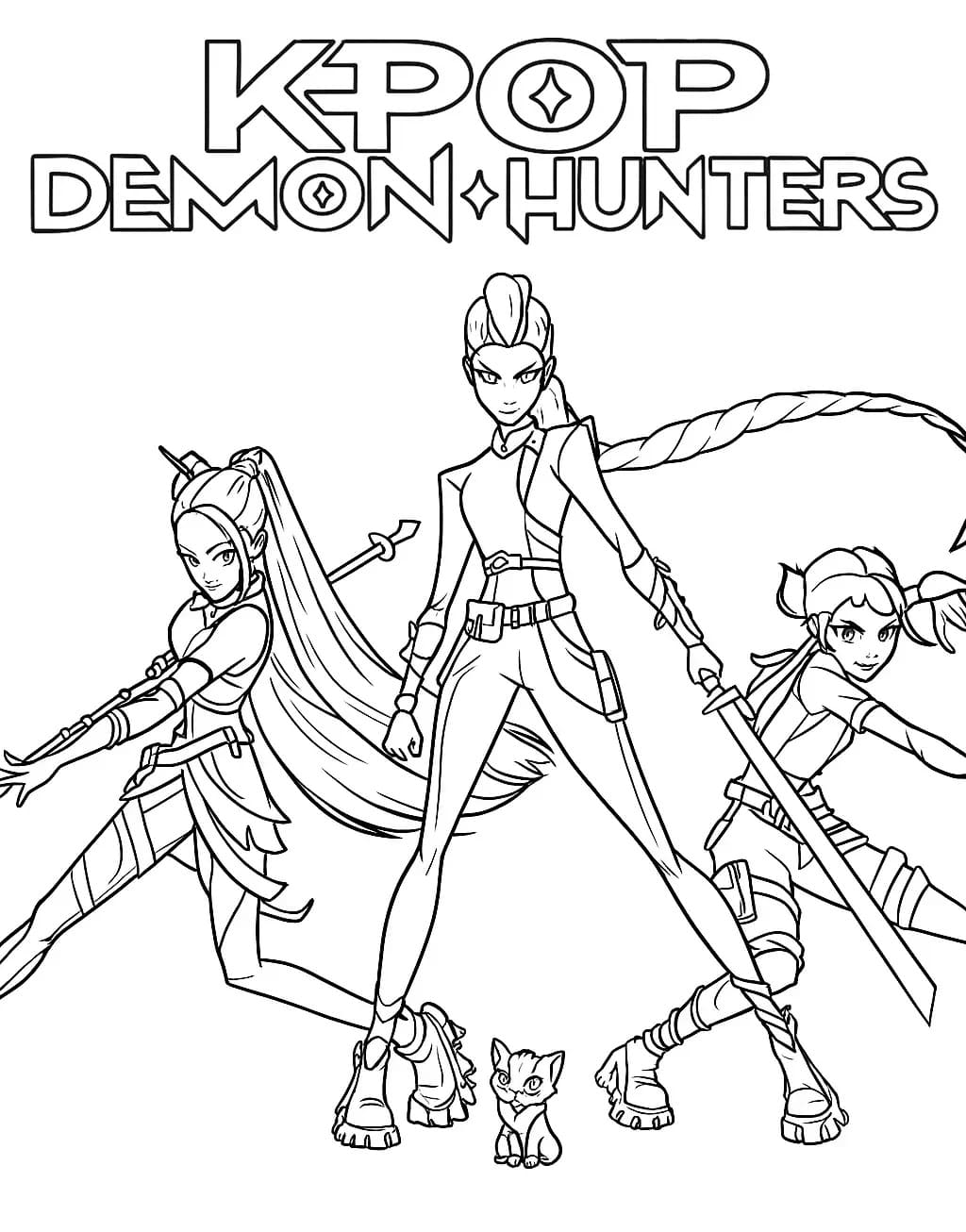
Coloring pages demon hunters serve as high-engagement thematic tools that transform fine-motor skill development and pencil control exercises into immersive character-driven learning tasks for early elementary students. According to the American Occupational Therapy Association (AOTA), purposeful and motivating graphic activities significantly enhance intrinsic motivation, visual-motor integration, and hand strength required for fluent handwriting. Educators leverage these specialized motifs to capture attention, reduce writing anxiety, and encourage sustained pencil grasp endurance during foundational tracing exercises. Integrating engaging visual themes bridges the gap between recreational coloring and rigorous tracing worksheets.
Handwriting Practice Snapshot:
- Core Focus: Utilizing thematic character artwork to build pencil control and fine-motor endurance.
- Target Scope: Early elementary classrooms, home-schooling environments, and occupational therapy sessions.
- Key Recommendation: Pair dynamic action-hero coloring sheets with structured letter writing worksheets to reinforce multi-directional strokes.
Core Principles and Detailed Overview
Dynamic character-based artwork exercises demand precise spatial awareness, controlled wrist stabilization, and consistent directional stroke execution from young learners. Complex illustrative lines require students to modulate pressure, navigate tight corners, and maintain a functional tripod grasp over extended periods. These foundational movements mirror the exact biomechanics needed for precise alphabet formation found in standard preschool worksheets. By treating complex clothing lines, capes, and dynamic gear as precursors to letter loops and vertical ascenders, instructors build seamless continuity between creative play and formal writing mastery.
Key Specifications and Breakdown
| Skill Level / Grade | Target Stroke / Mechanical Focus | Pedagogical / Coaching Cue |
|---|---|---|
| Early Preschool (Ages 3-4) | Broad diagonal fills and containment boundaries | “Keep the hero inside the glowing armor lines while coloring.” |
| Late Preschool (Ages 4-5) | Short directional strokes and edge tracing | “Trace the sword handle slowly from top to bottom.” |
| Kindergarten (Ages 5-6) | Precise pressure modulation and corner pivoting | “Slow down the pencil point as the blade reaches the edge.” |
Purposeful fine-motor activities that incorporate high-interest character themes provide the foundational hand strength, visual tracking, and bilateral coordination necessary for academic success. — American Occupational Therapy Association (AOTA)
Step-by-Step Practical Application and Guidelines
Executing thematic coloring tasks effectively involves sequencing activities from broad motor movements down to fine, controlled pencil maneuvers. Instructors should begin by directing students to outline major character silhouettes using broad circular motions, progressing systematically toward intricate internal details like weapon accessories and costume ornamentation. This progressive overload conditions intrinsic hand muscles without inducing cramping or fatigue. Educators can transition students smoothly from these artistic layouts into specialized name practice worksheets once hand warming routines are complete.
Common Challenges and How to Avoid Them
Excessive hand gripping and poor posture frequently undermine the mechanical benefits of complex thematic coloring exercises if adult supervision is absent. Children often apply crushing pressure when attempting to fill dense illustrative areas, leading to early hand fatigue and discouraged learners. To prevent this, encourage frequent brief pencil releases, emphasize arm movement over rigid wrist lockups, and rotate through varied coloring worksheets to maintain balanced muscle engagement across different finger groups.
💬 Frequently Asked Questions
Explore More Free Handwriting and Character Worksheets
Access an extensive library of educational resources designed to transform handwriting practice into an engaging, character-driven adventure for every developmental stage. Visit CharacterWritingWorksheets.com today to discover targeted printables, tracing guides, and literacy tools built to support educators and parents worldwide.
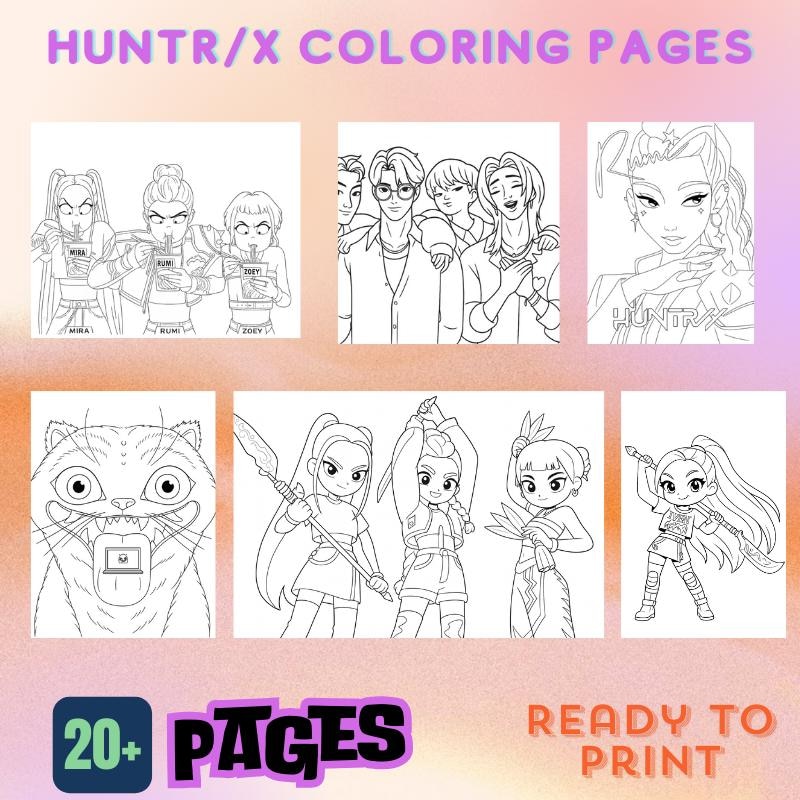
Printable Coloring Page Previews