Introduction
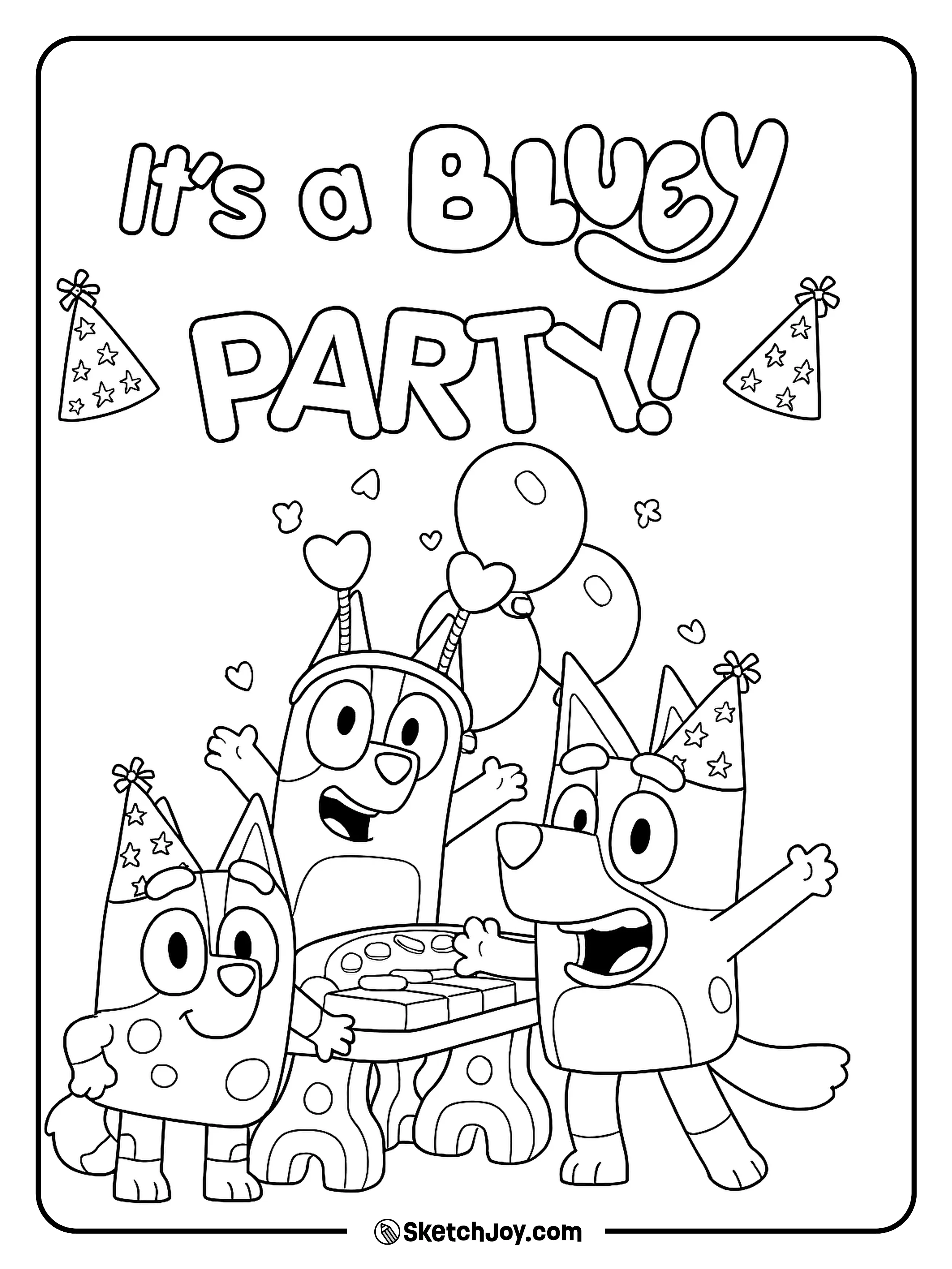
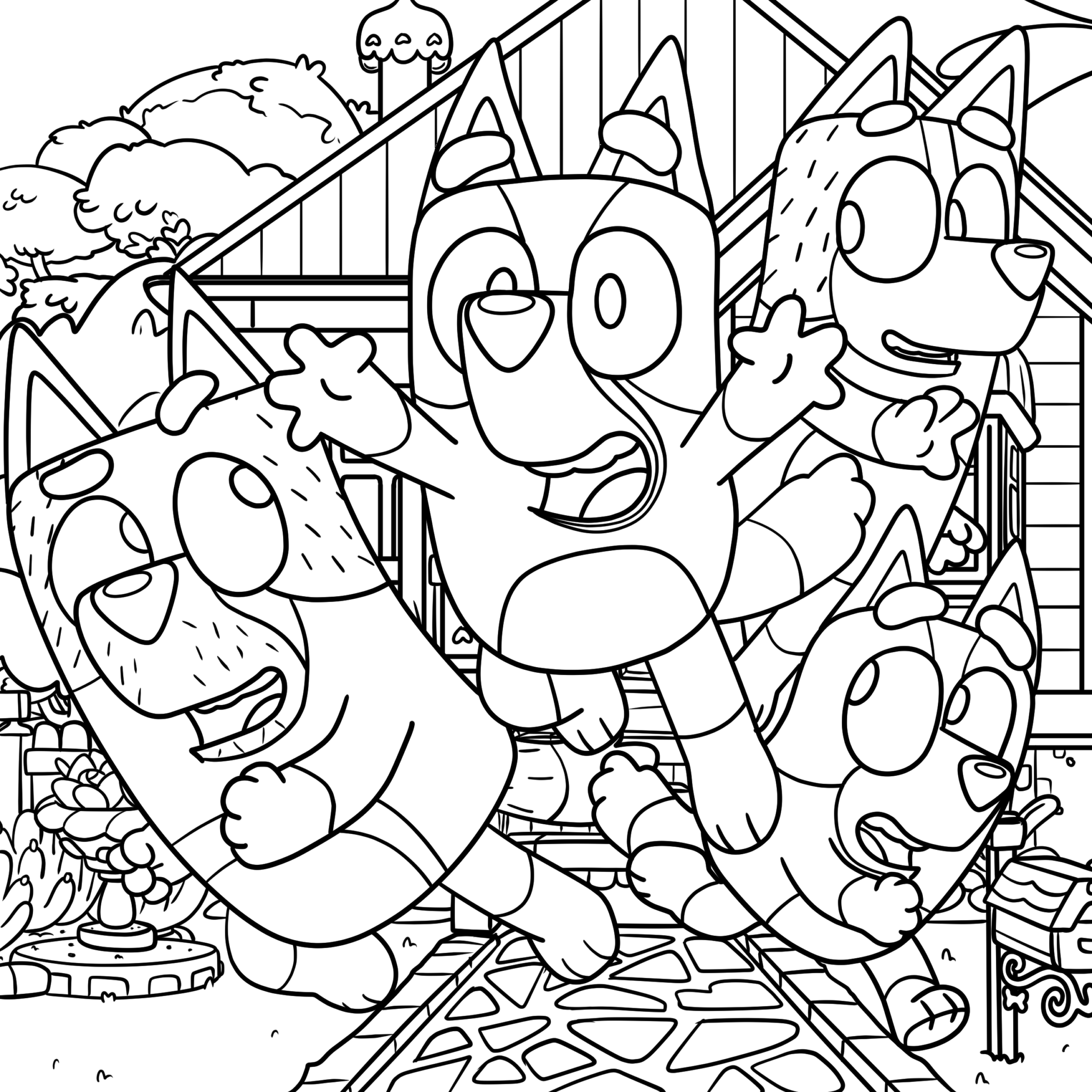
Coloring pages bluey function as powerful preparatory tools for early handwriting mechanics, leveraging popular media engagement to build intrinsic fine-motor strength and pencil control in young learners. According to the National Association for the Education of Young Children (NAEYC), integrating familiar characters into early childhood developmental tasks significantly increases sustained attention span and manual dexterity practice. By engaging with these specific visual templates, children naturally refine the precise finger movements required for foundational stroke formation. Educators and parents frequently combine these targeted art activities with standard coloring worksheets to bridge creative play and structured pencil manipulation. This deliberate bridge transforms passive screen characters into active physical therapy agents that build hand arches and improve dynamic tripod grasps before formal penmanship begins.
Handwriting Practice Snapshot:
- Core Focus: Utilizing popular canine character art to build fine-motor stamina, pencil pressure control, and wrist stability.
- Target Scope: Early childhood education settings, homeschooling environments, and occupational therapy clinics.
- Key Recommendation: Pair structured character coloring sheets with foundational tracing worksheets to transition small-muscle endurance into letter-stroke precision.
Core Principles and Detailed Overview
Coloring pages bluey provide structured spatial boundaries that teach young children how to manage visual-motor integration, boundary containment, and steady directional strokes. Developing fine-motor control requires repetitive, low-stress practice where young learners manipulate writing implements within defined geometric shapes and character outlines. When children color within the distinct lines of these familiar cartoon illustrations, they subconsciously practice the exact wrist and finger modulations needed for smooth horizontal and vertical writing lines. This foundational control directly supports early skill mastery often practiced across preschool worksheets, establishing essential neural pathways for letter formation. Furthermore, maintaining focus on a single, engaging character sheet builds the attentional endurance required for prolonged academic writing tasks.
Key Specifications and Breakdown
| Skill Level / Grade | Target Stroke / Mechanical Focus | Pedagogical / Coaching Cue |
|---|---|---|
| Early Preschool (Ages 3-4) | Gross arm movements and full-hand grasp adaptation | Encourage circular shading motions to build shoulder stability and large muscle groups. |
| Advanced Preschool (Ages 4-5) | Finger isolation and developing dynamic tripod grasp | Prompt learners to keep fingers close to the crayon tip for better pressure management. |
| Kindergarten (Ages 5-6) | Boundary containment and precise edge control | Instruct students to outline perimeter lines first before filling central areas. |
Handwriting development depends heavily on foundational proximal stability, where core and shoulder strength must precede distal fine-motor finger dexterity for effective pencil control. — American Occupational Therapy Association (AOTA)
Step-by-Step Practical Application and Guidelines
Implementing themed visual sheets effectively requires a structured progression from loose creative coloring to disciplined pencil control drills. Begin sessions by selecting high-contrast character outlines that feature clear boundary lines, allowing young learners to practice stopping and starting their pencil movements intentionally. Instruct children to outline the perimeter of the character shape using short, controlled strokes before coloring the interior space with consistent shading patterns. This dual-phase approach mirrors the exact cognitive planning required when children transition to more rigorous letter writing worksheets. Monitor grip posture continuously, intervening gently if the fist grasp emerges, and substitute broken crayons with shorter writing tools to naturally encourage a three-finger tripod grasp.
Common Challenges and How to Avoid Them
Hand fatigue, excessive wrist tension, and frequent boundary overruns represent the most common obstacles encountered during fine-motor coloring sessions. To prevent hand cramping, limit continuous coloring intervals to ten-minute increments and introduce brief hand-stretching exercises between tasks. If a learner consistently presses too hard, substitute standard wax crayons with softer sketching pencils or pastel sticks that react immediately to variable downward pressure. Educators should also avoid rushing the filling-in process, emphasizing deliberate speed over completion so that children build accurate muscle memory rather than careless scribbling habits. These preventative measures ensure smooth progression when learners eventually advance to specialized name practice worksheets.
💬 Frequently Asked Questions
Explore More Free Handwriting and Character Worksheets
Expanding early childhood literacy curricula requires access to dependable, high-quality printable resources that seamlessly balance engagement with rigorous skill development. Educators, parents, and developmental specialists can browse an extensive library of free educational materials by exploring the comprehensive collection of worksheets available across the main portal at CharacterWritingWorksheets.com. Consistent daily practice with targeted printables ensures every child builds the unshakeable fine-motor foundation necessary for lifelong writing success.
Printable Coloring Page Previews