Introduction
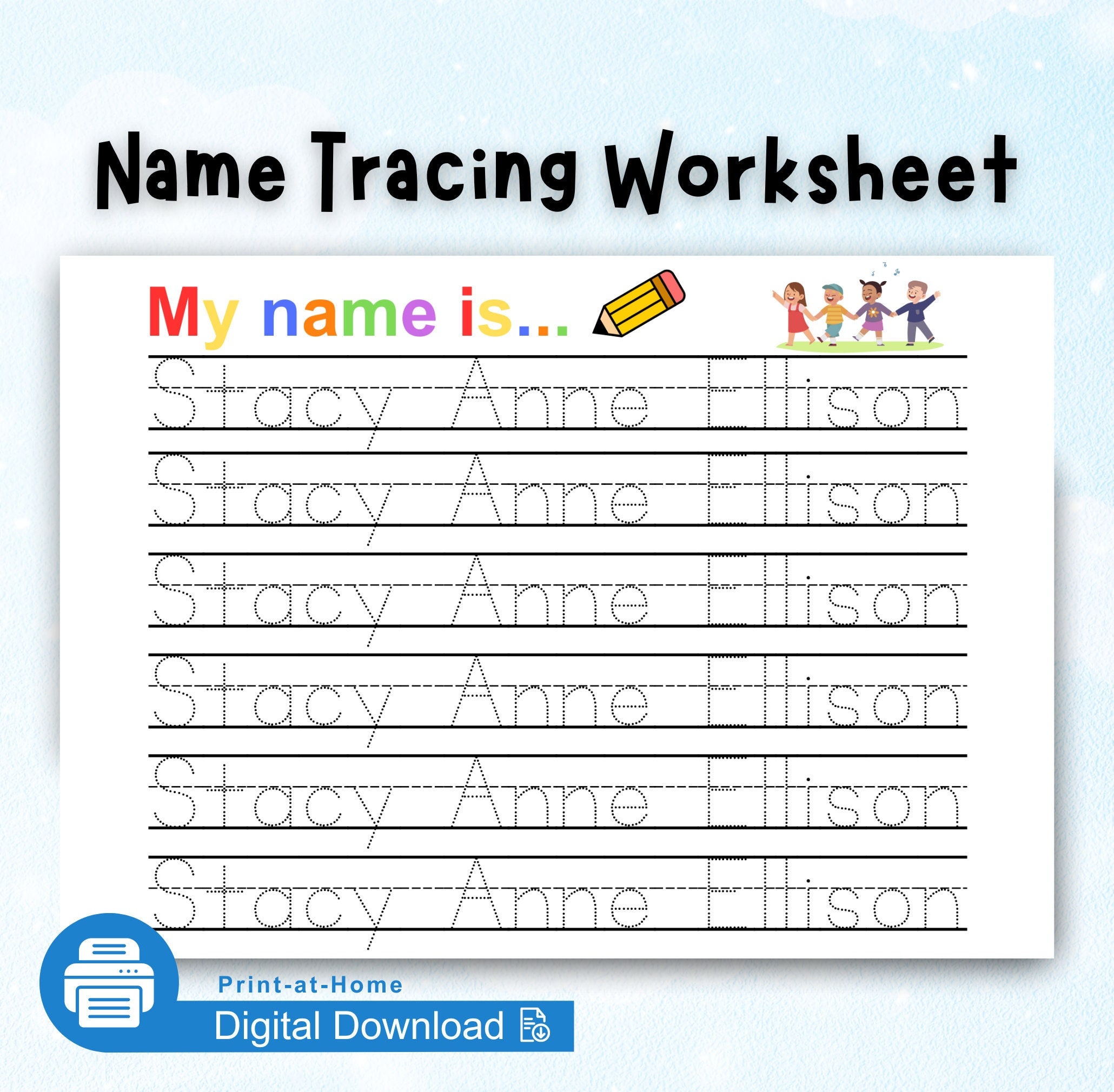
Name practice sheets for preschoolers serve as foundational early literacy tools that build essential fine-motor control, letter recognition, and spatial awareness through targeted stroke sequence repetition. According to the National Association for the Education of Young Children (NAEYC), purposeful early writing experiences must connect fine-motor skill development with meaningful personal contexts, such as a child’s own given name. Implementing structured name practice worksheets accelerates both pre-writing confidence and pencil grip mechanics during early childhood education.
Handwriting Practice Snapshot:
- Core Focus: Building fine-motor mechanics and spatial awareness via personalized name practice sheets for preschoolers.
- Target Scope: Early childhood educators, homeschool environments, and occupational therapy settings.
- Key Recommendation: Prioritize correct starting dots and continuous stroke direction over rigid visual perfection.
Core Principles and Detailed Overview
Name practice sheets for preschoolers bridge the gap between abstract alphabet shapes and a child’s personal identity by utilizing high-frequency, emotionally relevant vocabulary: the individual’s first name. Mechanics such as pencil pressure, line adherence, and directional left-to-right progression are established through these specialized preschool worksheets. Educators utilize scaffolded formats—transitioning from thick, solid outlines to dotted tracing lines and independent writing boxes—to systematically develop neuromuscular memory. Incorporating broader letter writing worksheets alongside personalized name drills ensures comprehensive literacy development without causing cognitive fatigue in young learners.
Key Specifications and Breakdown
| Skill Level / Grade | Target Stroke / Mechanical Focus | Pedagogical / Coaching Cue |
|---|---|---|
| Early Beginner (Age 3-4) | Vertical and horizontal lines, gross motor grip stability | “Start at the top sky line and pull straight down.” |
| Intermediate (Age 4-5) | Diagonal strokes, curves, and consistent letter sizing | “Keep the pencil moving along the dotted path.” |
| Advanced Preschool (Age 5-6) | Independent letter spacing and baseline alignment | “Touch the bottom grass line before lifting the pencil.” |
Early childhood fine-motor interventions should prioritize proper grasp development and controlled stroke sequencing over speed or absolute visual accuracy during initial writing instruction. — American Occupational Therapy Association (AOTA)
Step-by-Step Practical Application and Guidelines
Effective utilization of name practice sheets for preschoolers requires daily, brief sessions paired with multisensory tracing techniques and correct ergonomic positioning. Instructors must ensure that learners sit with feet flat on the floor, hips and knees at ninety-degree angles, and paper tilted slightly to match the natural angle of the writing hand. Adults should introduce physical tracing using fingers over textured tactile letters before transitioning to specialized tracing worksheets. Maintaining short, five-minute focused intervals prevents hand cramping and keeps the learner engaged in constructive letter formation.
Common Challenges and How to Avoid Them
Reversed letter formation, improper pencil grips, and premature abandonment of uppercase-only names represent the most frequent obstacles encountered when introducing writing sheets to young children. Educators can correct these mechanical issues by employing verbal directional prompts, physical hand-over-hand guidance during initial stroke sequences, and diversifying practice sessions with engaging coloring worksheets to strengthen intrinsic hand muscles. Consistency, patience, and positive reinforcement regarding effort rather than outcome ensure sustained enthusiasm for daily writing tasks.
💬 Frequently Asked Questions
Explore More Free Handwriting and Character Worksheets
Educators and parents seeking comprehensive resources can expand their instructional toolkit by exploring the complete library of printable assets available at CharacterWritingWorksheets.com. Access targeted worksheets designed to foster foundational literacy, pencil control, and lifelong academic success.
Visual Reference Gallery