Introduction
Free name cursive worksheets provide custom, targeted practice templates that transition early learners from manuscript printing to fluid connected handwriting through personalized orthographic repetition. According to the National Association for the Education of Young Children (NAEYC), purposeful writing tasks that incorporate personal identity markers substantially increase intrinsic motivation and fine-motor engagement in primary classrooms. Integrating a child’s given name into structured cursive templates bridges cognitive letter recognition with fluid physical execution, establishing the neurological foundations required for automatic, legible writing. Educators utilize these customized resources alongside tracing worksheets to build baseline finger dexterity before expecting complex phrase generation.
Handwriting Practice Snapshot:
- Core Focus: Personalized cursive name templates designed for fine-motor and stroke integration.
- Target Scope: Early elementary students, homeschoolers, and remedial writers mastering joined scripts.
- Key Recommendation: Generate low-ink custom sheets featuring baseline guidelines and directional arrows.
Core Principles and Detailed Overview
Free name cursive worksheets function on the principle of distributed practice, leveraging familiar orthographic strings to teach continuous fluid strokes without cognitive overload. When children trace and reproduce their own names in cursive, the brain encodes invariant motor programs much faster than through random alphabet drills. Effective worksheets incorporate standard baseline, midline, and descender guidelines to enforce proper letter proportions and spacing. Practitioners often pair these cursive templates with name practice worksheets to establish a seamless instructional continuum from block printing to connected writing.
Key Specifications and Breakdown
| Skill Level / Grade | Target Stroke / Mechanical Focus | Pedagogical / Coaching Cue |
|---|---|---|
| Early Beginner (Grades 1-2) | Entry strokes, undercurves, and slant consistency. | “Start at the baseline, sweep up to the midline like a wave.” |
| Intermediate (Grades 3-4) | Connector loops, overhead exits, and proper letter spacing. | “Keep the pencil moving without lifting until the entire name is finished.” |
| Advanced (Grades 5+) | Rhythm, pressure regulation, and cursive capitalization variants. | “Maintain a consistent forward slant while keeping wrists relaxed.” |
Fine motor control and sensorimotor integration are primary neurological prerequisites for successful cursive execution, requiring sustained practice with standardized writing tools. — American Occupational Therapy Association (AOTA)
Step-by-Step Practical Application and Guidelines
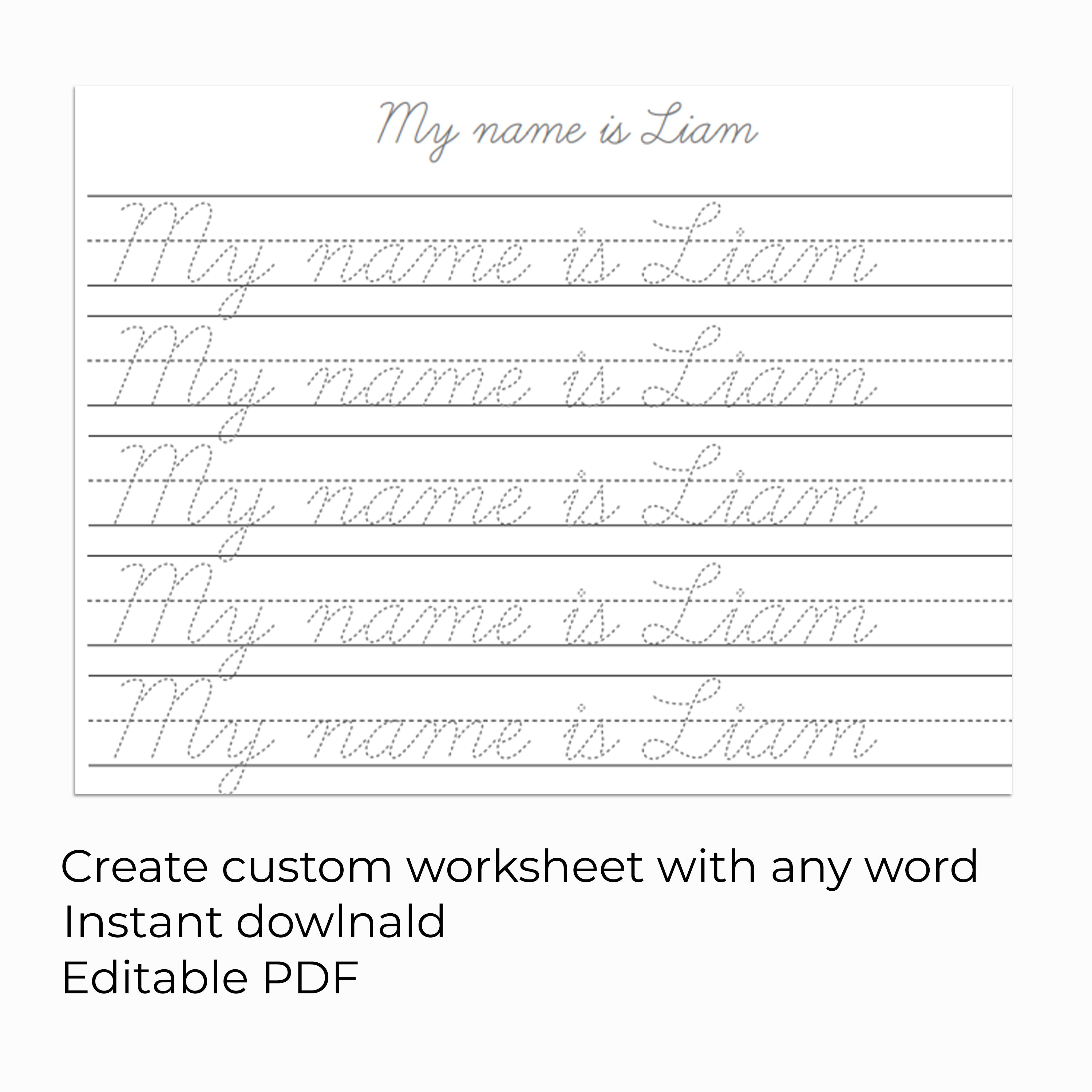
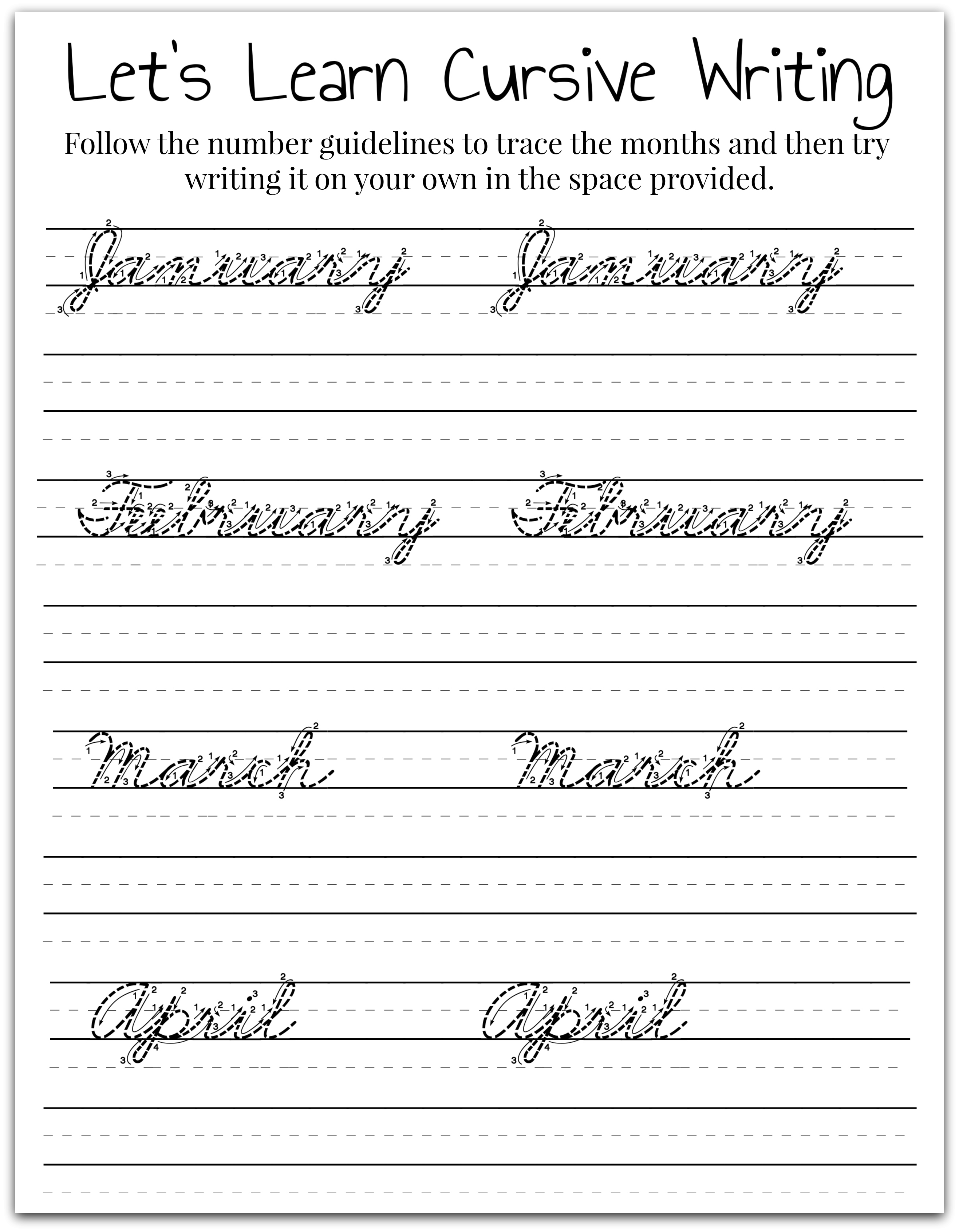
Implementing free name cursive worksheets effectively requires a structured daily sequence of visual modeling, tactile tracing, and independent production. Educators should first demonstrate the stroke sequence on a large whiteboard, highlighting entry and exit connectors specific to the target name. Next, students trace light-gray dotted models using a sharpened graphite pencil or fine-tip marker, focusing on continuous motion rather than speed. Following successful dotted tracing, learners transition to partial prompts where only the initial letter or connector is provided, ultimately concluding with independent freehand writing on blank primary lines. Instructors looking to expand foundational motor skills often supplement these cursive drills with standard preschool worksheets to reinforce grip strength.
Common Challenges and How to Avoid Them
Excessive hand fatigue, incorrect pencil grasps, and erratic letter slants represent the most frequent obstacles encountered during cursive name instruction. To prevent cramping, instructors must enforce a functional tripod grasp and ensure paper is tilted at a comfortable 30-to-45-degree angle matching the natural arc of the writing arm. When children struggle with specific transitional connectors—such as moving from an uppercase capital letter to a lowercase loop—teachers should isolate that specific pairing onto dedicated practice rows. Establishing a consistent daily routine prevents bad habits from forming and guarantees steady neuromuscular progress across all letter writing worksheets.
💬 Frequently Asked Questions
Explore More Free Handwriting and Character Worksheets
Mastering cursive script is a vital developmental milestone that enhances spelling retention, reading fluency, and cognitive processing speed. Educators, parents, and homeschoolers can access an extensive library of supplementary materials, including fun coloring worksheets and comprehensive writing resources, by visiting CharacterWritingWorksheets.com to support every stage of early literacy development.
Worksheet Previews & Reference Materials