Introduction
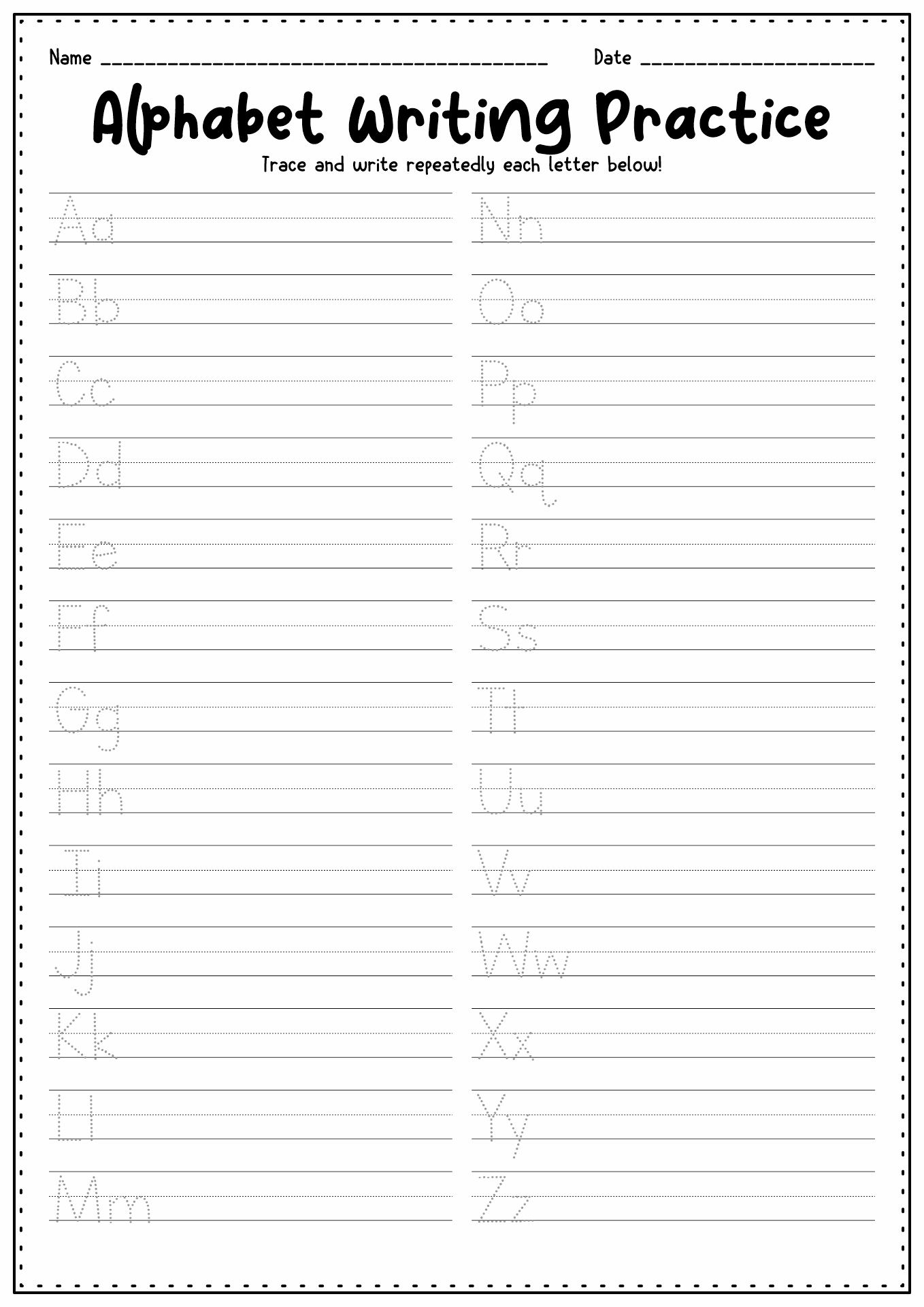
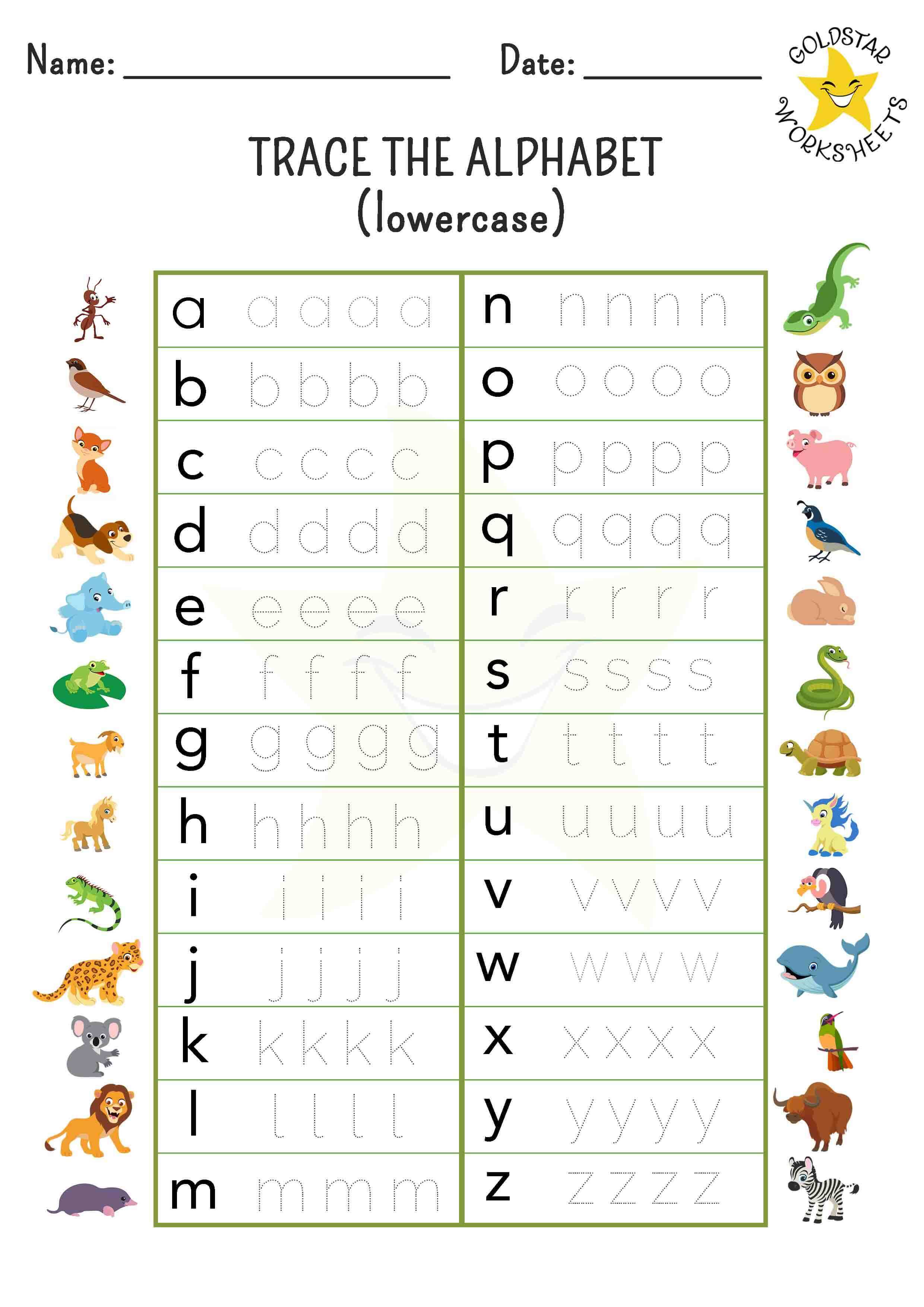
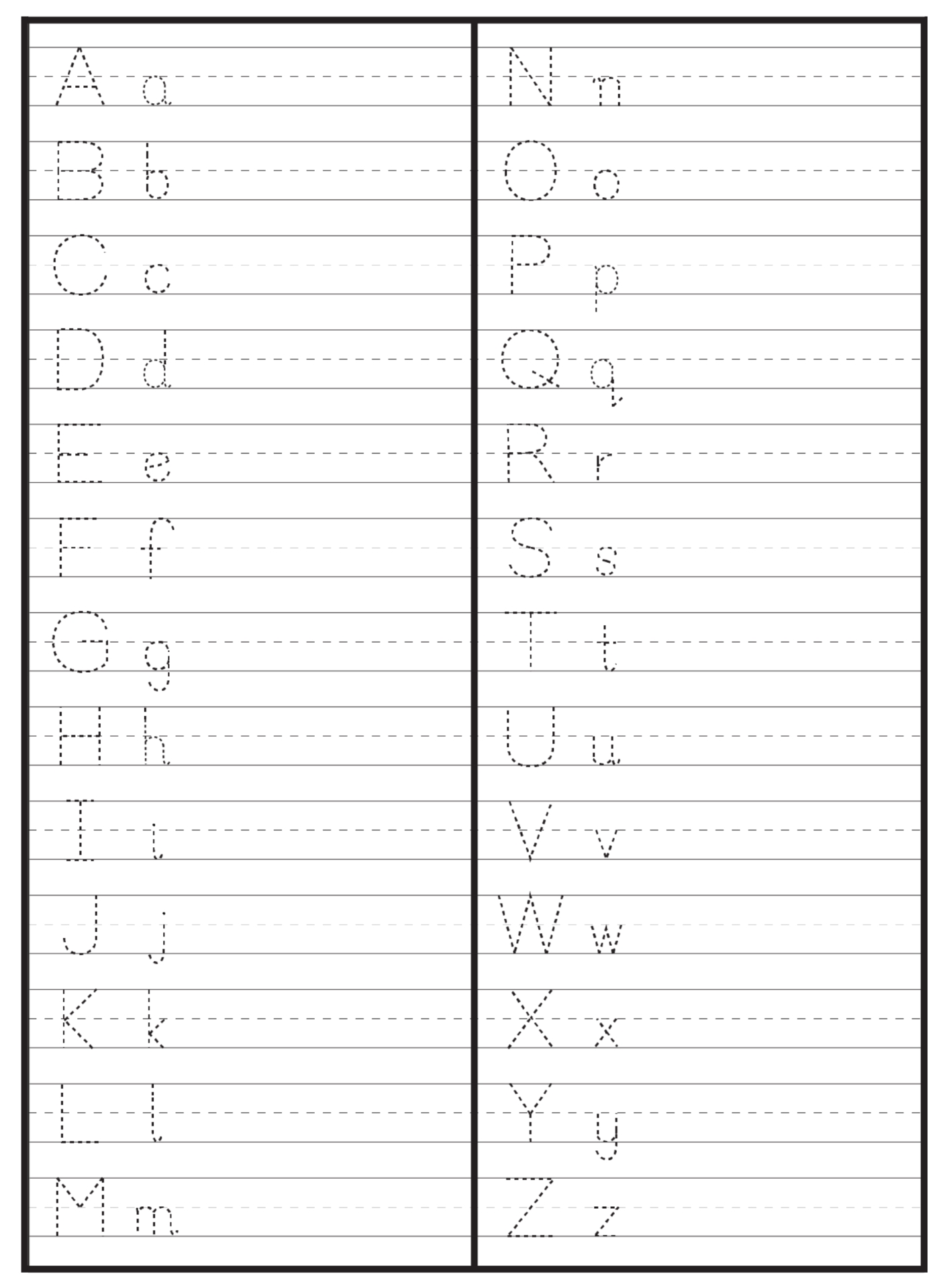
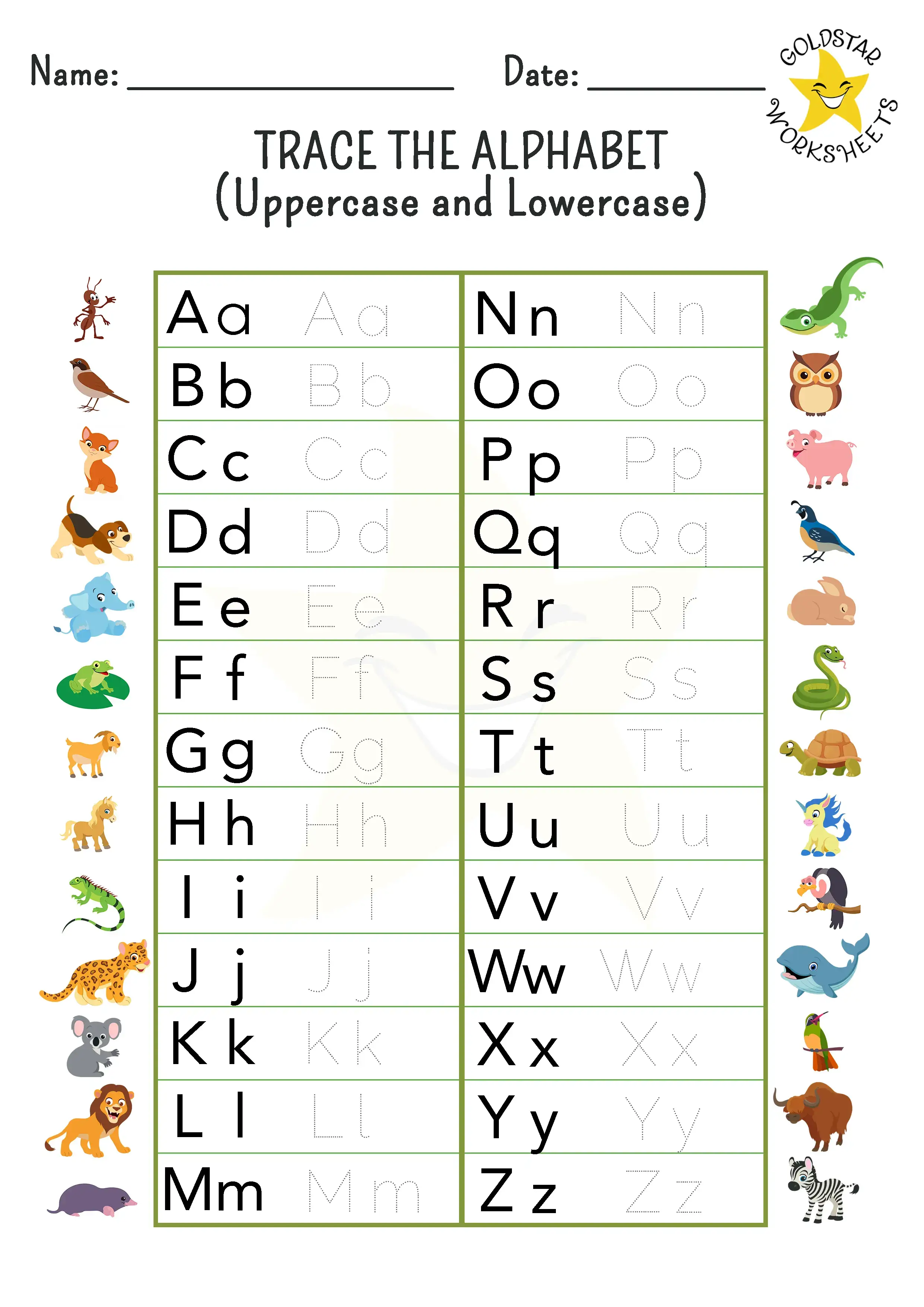
Alphabet letter writing worksheets provide structured templates designed to guide early learners through proper letter formation, stroke sequencing, and fine-motor control development. According to the National Association for the Education of Young Children (NAEYC), intentional handwriting instruction supports young learners in developing the automaticity required for fluent written expression. Utilizing structured letter writing worksheets ensures that children build proper muscle memory, spatial orientation, and cognitive connections between letters and sounds. Educators and parents rely on these practice sheets to bridge the gap between gross motor movements and precise pencil manipulation in early childhood curricula.
Handwriting Practice Snapshot:
- Core Focus: Systematic stroke sequencing and motor memory reinforcement using alphabet letter writing worksheets.
- Target Scope: Early childhood education, preschool, kindergarten, and homeschooling environments.
- Key Recommendation: Implement short, consistent daily practice intervals rather than long, fatiguing writing sessions.
Core Principles and Detailed Overview
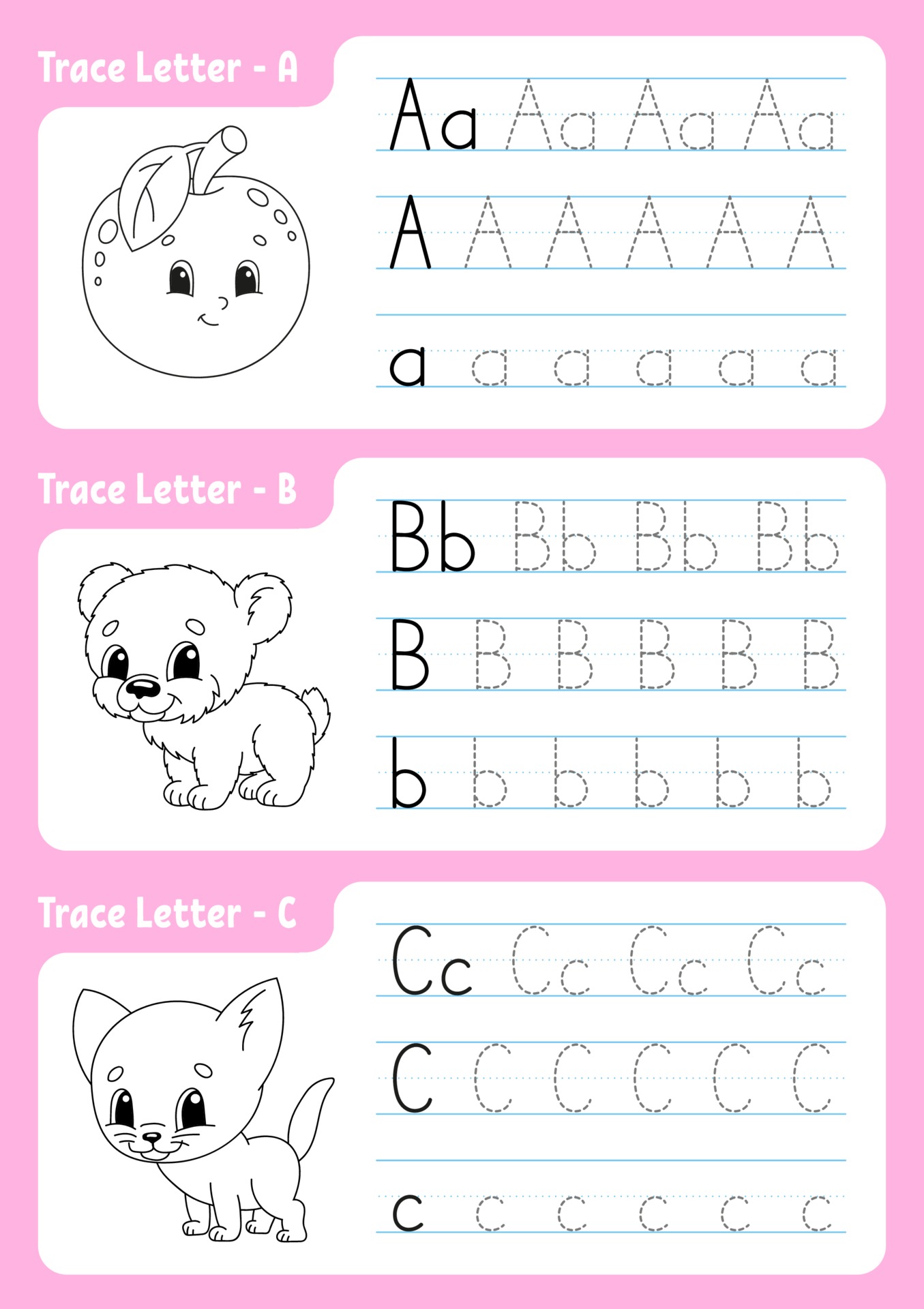
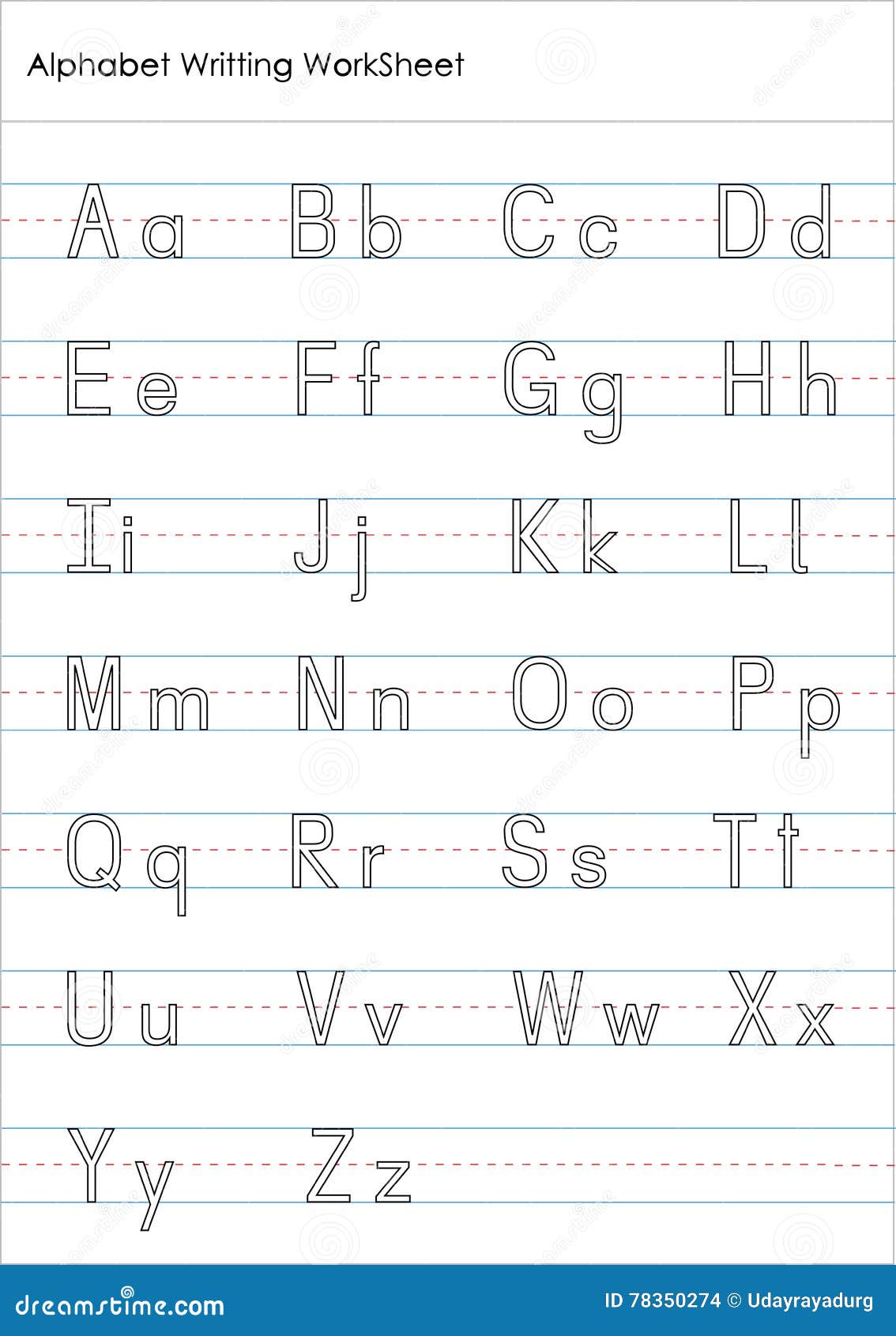
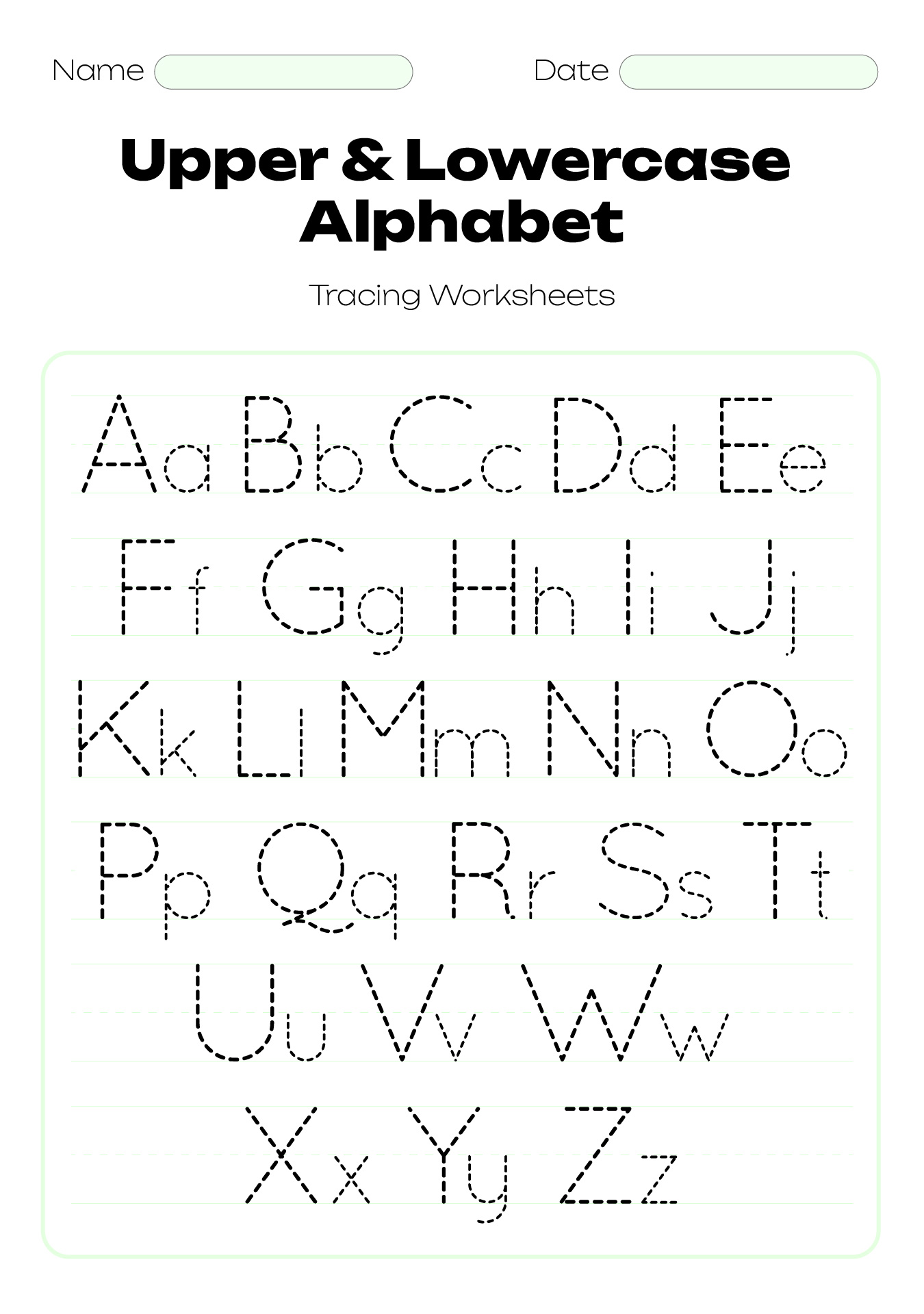
Mastering handwriting mechanics requires a systematic approach that aligns physical development with visual tracking and orthographic mapping. Alphabet letter writing worksheets function effectively when organized by stroke similarity rather than alphabetical order, grouping letters with vertical, horizontal, diagonal, and curved lines together to maximize retention. Utilizing preschool worksheets at an early developmental stage builds the foundational finger strength necessary for proper pencil grips. Furthermore, incorporating progressive tracing worksheets allows learners to transition smoothly from guided tracing to independent, unassisted letter generation on blank baseline grids.
Key Specifications and Breakdown
| Skill Level / Grade | Target Stroke / Mechanical Focus | Pedagogical / Coaching Cue |
|---|---|---|
| Early Preschool | Vertical and horizontal lines, large circular motions | Start at the top and pull down |
| Late Preschool | Diagonal lines, intersecting strokes, loop formations | Trace along the dotted path slowly |
| Kindergarten | Letter sizing, baseline placement, spatial proportion | Keep lowercase letters below the dotted midline |
Fine-motor development and grasp maturation are foundational prerequisites for legible handwriting performance. — American Occupational Therapy Association (AOTA)
Step-by-Step Practical Application and Guidelines
Implementing alphabet letter writing worksheets effectively involves a sequential instructional routine that prioritizes correct form over sheer output quantity. Educators should first demonstrate the target letter on a whiteboard, explicitly verbalizing the stroke direction before inviting learners to trace the model. Students should then complete guided tracing rows before attempting independent formation on primary writing lines. Incorporating targeted name practice worksheets alongside standard alphabet sheets adds personal relevance and boosts engagement during daily writing instruction.
Common Challenges and How to Avoid Them
Reversals of symmetrical or directional letters like ‘b’ and ‘d’ represent a normal developmental phase that can be mitigated through multisensory tracing and distinct directional cues. Enforcing incorrect pencil grasps or rushing through alphabet letter writing worksheets often leads to hand fatigue, poor line alignment, and ingrained poor habits that prove difficult to correct later. Educators must monitor hand positioning closely, ensuring proper paper slant and adequate lighting during all worksheets sessions to protect visual and physical ergonomics.
💬 Frequently Asked Questions
Explore More Free Handwriting and Character Worksheets
Accessing comprehensive educational resources ensures that early learners continuously refine their motor control, orthographic mapping, and writing fluency across diverse formats. Explore the full library of free educational materials, including creative coloring worksheets, by visiting CharacterWritingWorksheets.com today to support your students’ literacy journeys.
Worksheet Previews & Reference Materials