Introduction
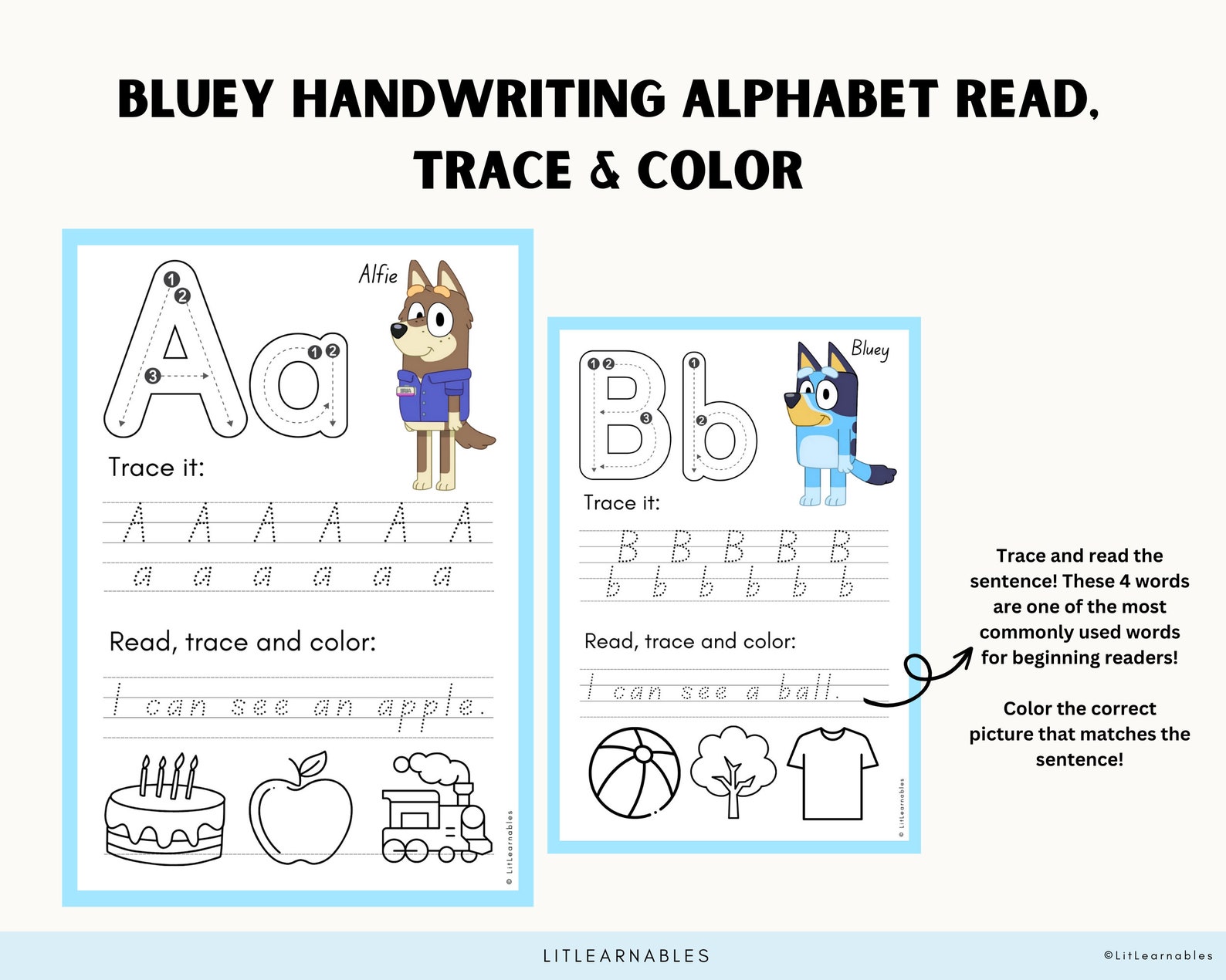
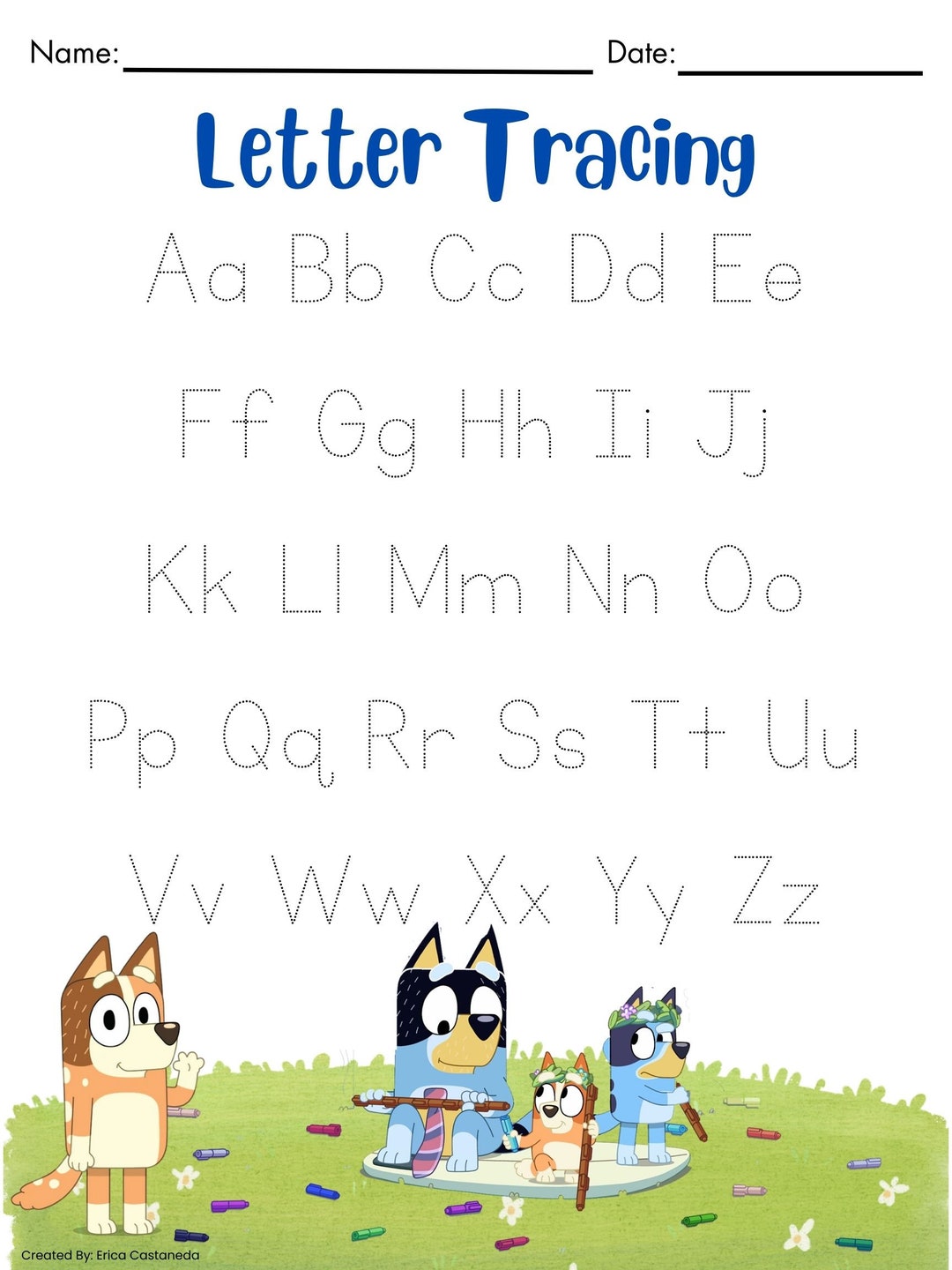
Children often resist traditional handwriting drills because repetitive lines lack intrinsic motivation. Yet, place a familiar blue heeler pup onto a page, and engagement shifts instantly. Educators and occupational therapists frequently notice that connecting beloved characters to fine motor tasks transforms reluctant learners into enthusiastic participants. The bluey writing worksheets leverage this innate charm to build crucial pencil control, finger dexterity, and early literacy skills. Young learners willingly practice foundational strokes when the context feels like play rather than a chore. Here’s what makes this approach different: it honors the natural learning pace of a child while targeting specific biomechanical milestones. Early childhood classrooms thrive when materials bridge the gap between imagination and structured academic readiness.
💡 Educational Key Takeaways:
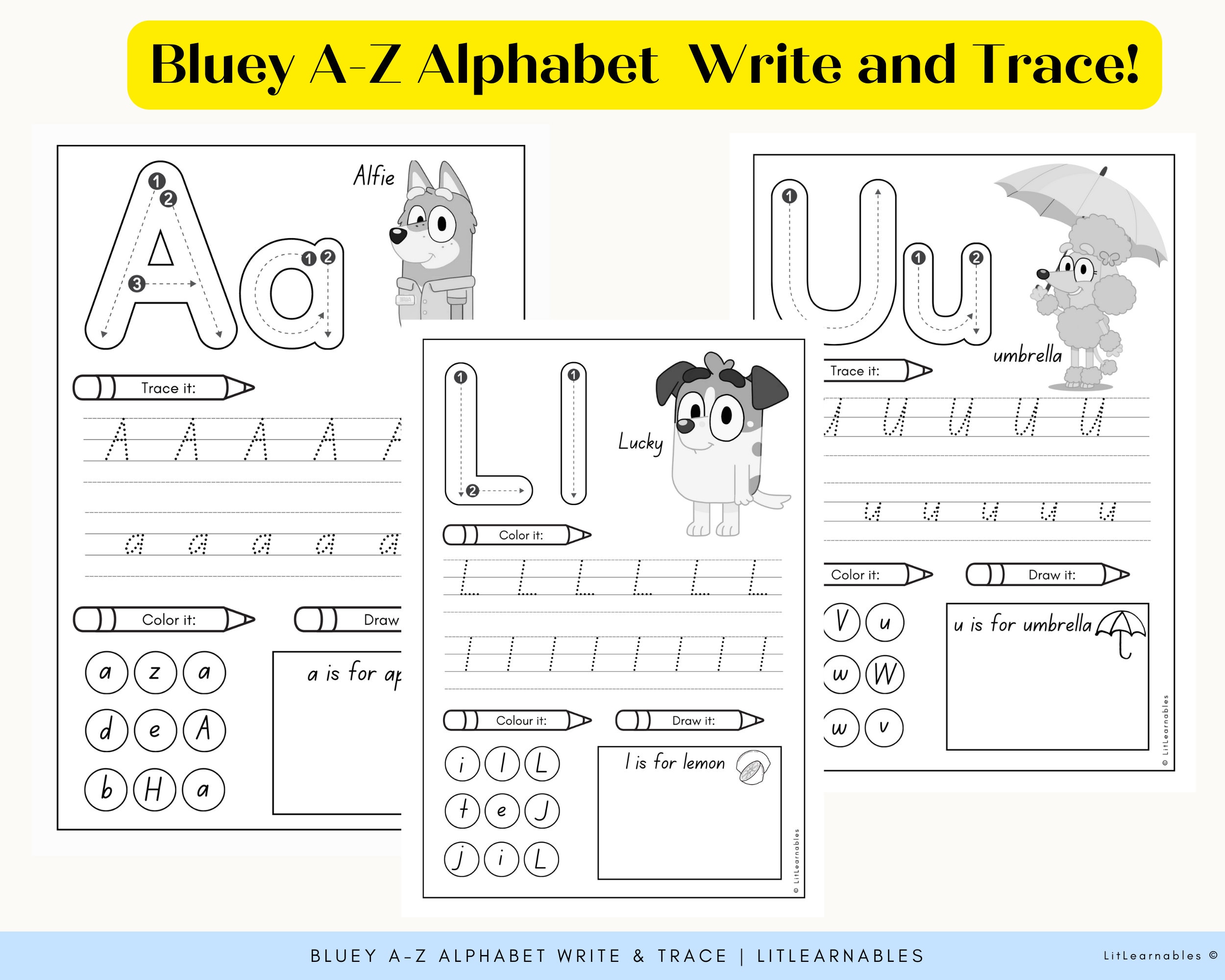
- Core Skill: Structured Bluey Writing Worksheets focused on developing pencil grip, stroke control, and early literacy/math confidence.
- Target Scope: Suited for homeschoolers, preschool, kindergarten, and elementary learners.
- Best Recommendation: Practice 10–15 minutes daily with ergonomic writing tools to reinforce muscle memory without hand fatigue.
What This Worksheet Covers
These targeted printables address the physical and cognitive foundations necessary for lifelong writing success. Pre-writing strokes, line accuracy, and pencil control form the core of the experience, guiding tiny hands along curved, diagonal, and horizontal paths. According to the American Occupational Therapy Association, foundational fine motor competence directly supports a child’s ability to participate fully in daily school routines and academic tasks. Children manipulate writing tools across varied pathways, which strengthens the intrinsic muscles of the hand and improves visual-motor integration. Careful alignment of visual cues helps learners navigate spatial boundaries without overwhelming their developing cognitive loads. For broader foundational concepts, pairing these with Preschool Worksheets ensures a well-rounded approach to early childhood education.
Key Learning Outcomes
Intentional engagement with these tracing activities yields measurable progress in several developmental domains. Students refine their dynamic tripod grasp as they sustain attention through the completion of distinct line patterns. It sounds simple, and that’s the point: consistent exposure to controlled stroke paths builds muscle memory and spatial awareness. Hand-eye coordination sharpens as little eyes track pencil tips moving across the paper, translating visual intent into precise physical action. Furthermore, sustained focus during coloring and tracing exercises fosters self-regulation, a vital executive function skill for young learners. Exploring additional Tracing Worksheets provides further reinforcement for these developing motor patterns.
How to Use This Worksheet
Adults play a pivotal role in setting up the learning environment before a single mark is made on the page. Begin by ensuring the child sits with feet flat on the floor and hips at a ninety-degree angle, establishing a stable base for upper body movement. Provide appropriately sized writing utensils, such as broken crayons or short golf pencils, which naturally encourage an efficient finger grasp rather than an immature fist hold. Introduce the activity through storytelling, inviting the child to help the characters navigate the paths on the page. Guiding the hand gently through the first few strokes builds confidence and demonstrates directional flow from left to right. Educators frequently observe that physical positioning matters just as much as the paper itself when combating hand fatigue.
Practical Tips for Parents and Teachers
Creative adaptations can elevate a standard printing session into an immersive sensory experience. Placing the activity page on a vertical surface, such as an easel or a taped wall sheet, activates shoulder and wrist stability in unexpected ways. According to the National Association for the Education of Young Children, play-based, hands-on learning experiences are essential for optimal cognitive and physical growth in early childhood. Adding tactile elements like textured mats underneath the paper offers sensory feedback that anchors the motor plan in the child’s brain. Keeping sessions short, roughly five to ten minutes, prevents frustration and protects delicate hand muscles from cramping. When variety is desired, integrating selected Worksheets keeps practice fresh and exciting.
Age-Appropriate Recommendations
Tailoring these exercises to match exact developmental stages prevents unnecessary frustration and builds genuine competency. Younger toddlers aged two to three benefit most from thick, sweeping paths and sensory coloring variations, aligning with the foundational guidelines of the Head Start Early Learning Outcomes Framework. As children approach four and five, the expectations shift toward controlled line accuracy, deliberate pencil stops, and consistent directional tracking. Kindergarteners and early first graders can utilize these resources to refine stamina, pressure regulation, and precision. Observing individual fatigue signs remains essential, as every child develops fine motor strength at a unique, highly personal trajectory.
Play-based, hands-on learning experiences are essential for optimal cognitive and physical growth in early childhood. — National Association for the Education of Young Children (NAEYC)
Frequently Asked Questions
How do adults access and print these resources at home or in the classroom? Simply click the download link, save the PDF file to a local device, and print directly onto standard letter-sized paper using any home or office printer. What specific developmental benefits do these pages provide for early learners? The structured pathways improve pencil grip strength, bilateral coordination, and visual-motor integration necessary for future legible handwriting. Why is early motor skill development emphasized by pediatric specialists? According to the American Occupational Therapy Association, strong fine motor foundations allow children to master academic and self-care tasks with confidence and independence.
Explore More Free Printable Worksheets
Expanding a child’s learning library ensures continuous engagement and targeted skill acquisition across all developmental milestones. Diversifying practice materials prevents burnout while reinforcing core competencies in novel, exciting contexts. Educators and caregivers can easily browse supplementary categories to find the perfect fit for current lesson plans or home routines. Discovering alternative resources like Coloring Worksheets offers fantastic opportunities for strengthening hand muscles through creative expression. Additionally, incorporating Name Practice Worksheets provides personalized literacy engagement that deeply resonates with young learners.
Developmental Milestone & Activity Table
| Development Stage | Recommended Daily Duration | Primary Learning Objective |
|---|---|---|
| Preschool & Pre-K | 10 – 15 Minutes | Pencil grip development & basic pre-stroke lines |
| Kindergarten | 15 – 20 Minutes | Letter/number formation & spatial line awareness |
| Early Elementary (Grade 1–2) | 20 – 30 Minutes | Fluency, sentence construction & neatness |
Images References