Introduction
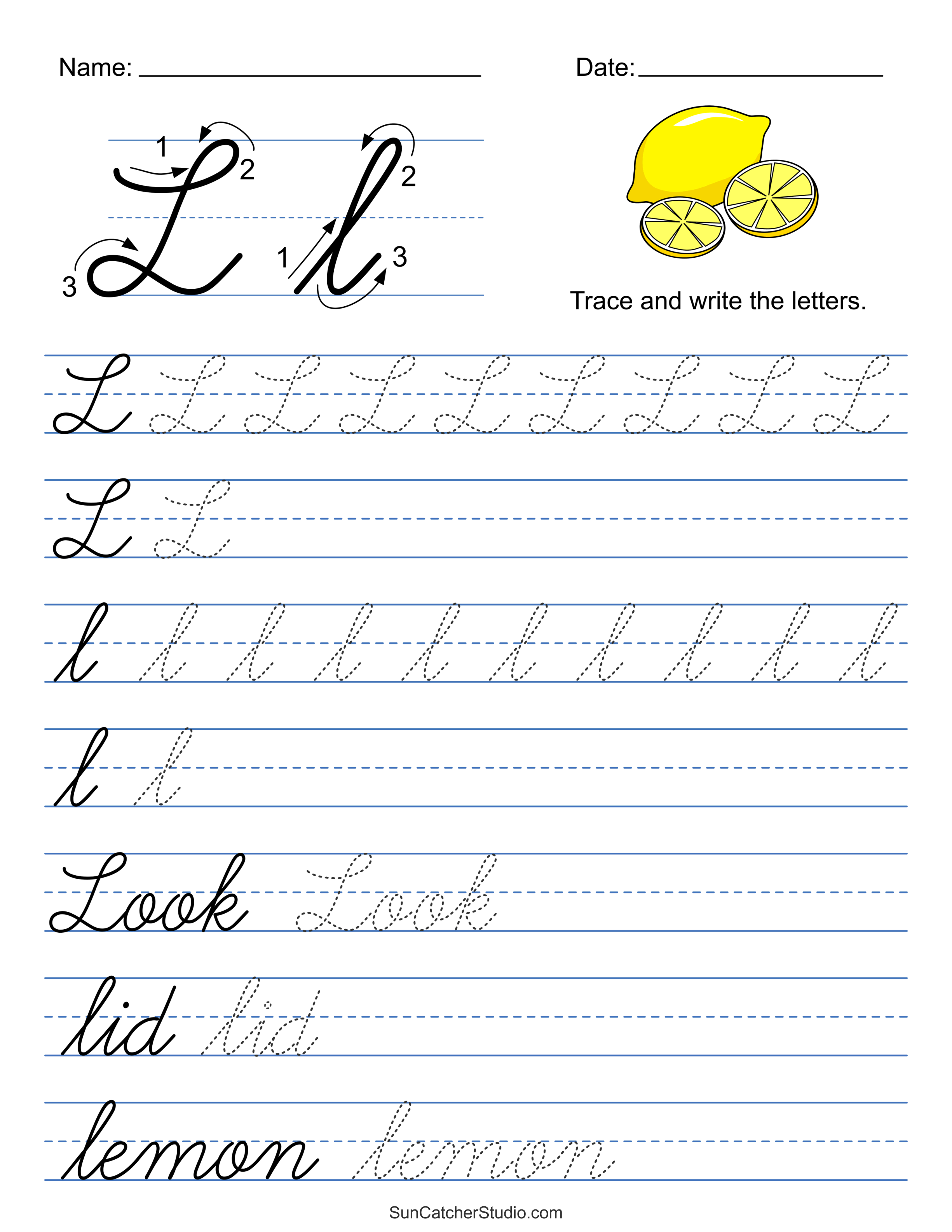
Guiding young children through the transition from manuscript printing to fluid handwriting is a subtle art that requires patience, the right tools, and an understanding of biomechanics. Introducing connected script often begins with specific, highly motivating vocabulary words rather than endless abstract loops and lines. The free printable worksheet “cursive word lily” offers a targeted approach to mastering letter sequencing, fluid stroke continuity, and proper pencil control. Practitioners frequently observe that children light up when they recognize a complete, familiar name or floral noun written in sweeping, elegant lines instead of isolated block letters. This emotional engagement changes the entire dynamic of a writing session, transforming a chore into a rewarding artistic discovery.
💡 Educational Key Takeaways:
- Core Skill: Structured Cursive Word Lily focused on developing pencil grip, stroke control, and early literacy/math confidence.
- Target Scope: Suited for homeschoolers, preschool, kindergarten, and elementary learners.
- Best Recommendation: Practice 10–15 minutes daily with ergonomic writing tools to reinforce muscle memory without hand fatigue.
What This Worksheet Covers
Moving from individual cursive letters to connected words demands significant motor planning and bilateral coordination. The worksheet focuses intensely on letter formation, stroke order, and the tricky diagonal connectors that link baseline letters like ‘l’ to mid-zone vowels like ‘y’. It sounds simple, and that’s the point: isolating a single, short word prevents cognitive overload while reinforcing correct spatial orientation on standard primary lines. Children learn where to start their pencil, how to maintain a consistent slant, and where to drop below the baseline for the descending loop of the final letter. Exploring resources like Letter Writing Worksheets provides additional practice for foundational strokes.
Key Learning Outcomes
Mastering this specific word builds muscle memory that transfers directly to broader literacy tasks and sentence writing. According to Reading Rockets, explicit instruction in handwriting mechanics directly supports reading fluency and spelling by solidifying the orthographic mapping of words in the brain. As young writers guide their pencils through the flowing paths of the target word, they simultaneously strengthen the intrinsic hand muscles required for sustained academic stamina. Beyond physical mechanics, completing the sheet fosters a deep sense of accomplishment, boosting the self-efficacy children need when tackling more complex spelling challenges found across various Worksheets designed for early learners.
How to Use This Worksheet
Facilitating a successful writing session requires careful preparation of the physical environment before any ink touches the paper. Adults should ensure that the child’s chair and desk promote a ninety-degree angle at the hips, knees, and ankles, with feet resting flat on the floor or a stable footrest for optimal postural stability. Here’s what makes this worksheet different: it encourages starting with a finger-tracing warm-up over the large model before moving to a standard pencil, engaging tactile memory systems first. Caregivers can guide the child’s hand gently through the initial strokes to demonstrate the continuous rhythm required for cursive, gradually fading assistance as confidence builds. For younger siblings or foundational pre-writing skill development, pairing this with exercises from Tracing Worksheets bridges the gap between basic shapes and true letter connection.
Practical Tips for Parents and Teachers
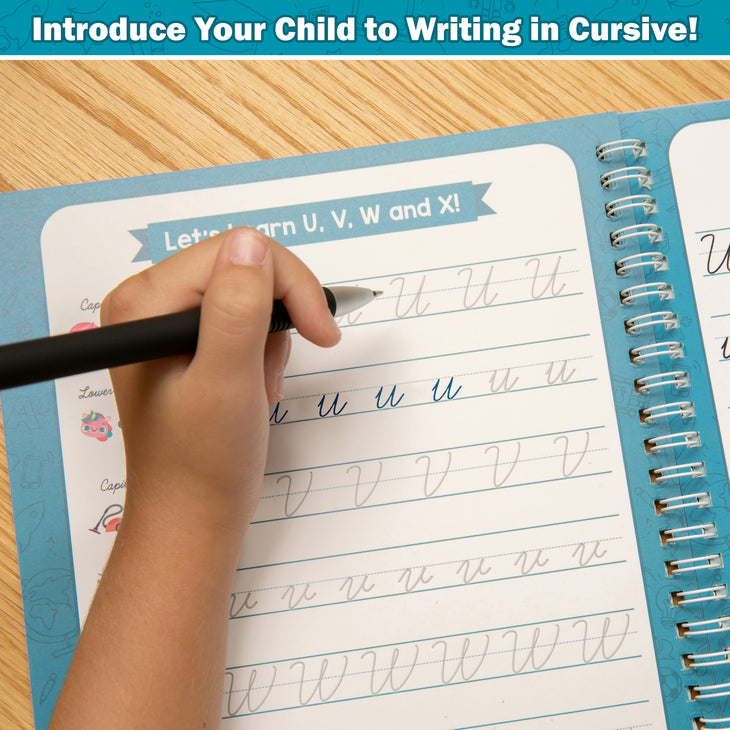
Pencil grasp can make or break a child’s endurance during cursive practice sessions. A mature tripod grasp allows for the fine finger movements necessary to execute the sharp turns and smooth loops characteristic of connected script. When fatigue sets in or a tight, fist-like grip appears, stopping the activity immediately prevents the formation of painful muscle habits. Short, joyful bursts of writing lasting five to ten minutes yield far better neurological and physical results than long, frustrating marathons. Utilizing varied writing utensils, such as short broken crayons or weighted pencils, can also provide proprioceptive feedback that naturally corrects poor finger positioning without constant verbal reminders.
Age-Appropriate Recommendations
Introducing cursive vocabulary words is typically most effective for children in second through third grade, roughly ages seven to eight, when manuscript handwriting has achieved a baseline of automaticity. According to the National Association for the Education of Young Children (NAEYC) Developmentally Appropriate Practice guidelines, learning activities must align with a child’s current motor capabilities and cognitive readiness rather than rigid age brackets alone. For older preschoolers showing exceptional readiness and strong visual-motor integration, simpler introductory concepts can be explored through Preschool Worksheets before attempting complex diagonal connectors.
Explicit handwriting instruction significantly enhances orthographic processing, spelling retention, and overall reading fluency in early elementary students. — Reading Rockets
Frequently Asked Questions
Navigating the nuances of early cursive instruction often brings up practical questions regarding printing access, developmental timing, and motor skill expectations. Clear answers help parents and educators implement these free resources effectively at home or in the classroom, ensuring that every child experiences steady, frustration-free progress in their daily writing endeavors.
Explore More Free Printable Worksheets
Expanding a young learner’s toolkit requires access to a diverse array of targeted practice materials that grow alongside their developing abilities. Exploring specialized categories ensures that instruction remains fresh, engaging, and precisely tailored to specific developmental milestones. Discover more options by browsing through Name Practice Worksheets for personalized handwriting challenges or experiment with creative motor coordination tasks found within Coloring Worksheets.
Developmental Milestone & Activity Table
| Development Stage | Recommended Daily Duration | Primary Learning Objective |
|---|---|---|
| Preschool & Pre-K | 10 – 15 Minutes | Pencil grip development & basic pre-stroke lines |
| Kindergarten | 15 – 20 Minutes | Letter/number formation & spatial line awareness |
| Early Elementary (Grade 1–2) | 20 – 30 Minutes | Fluency, sentence construction & neatness |
Images References