Introduction
Learning to write one’s own name is a monumental milestone in early childhood development. When transitioning from print to cursive, children often experience a mix of excitement and hesitation. The free printable worksheet “how to write emma in cursive writing” offers a dedicated pathway for mastering this specific sequence. Name practice is far more than a simple handwriting exercise; it builds foundational cognitive connections and fosters genuine personal pride. Observing children tackle cursive names reveals a fascinating shift in how they view written language, moving from isolated strokes to fluid, connected movements.
💡 Educational Key Takeaways:
- Core Skill: Structured How To Write Emma In Cursive Writing focused on developing pencil grip, stroke control, and early literacy/math confidence.
- Target Scope: Suited for homeschoolers, preschool, kindergarten, and elementary learners.
- Best Recommendation: Practice 10–15 minutes daily with ergonomic writing tools to reinforce muscle memory without hand fatigue.
What This Worksheet Covers
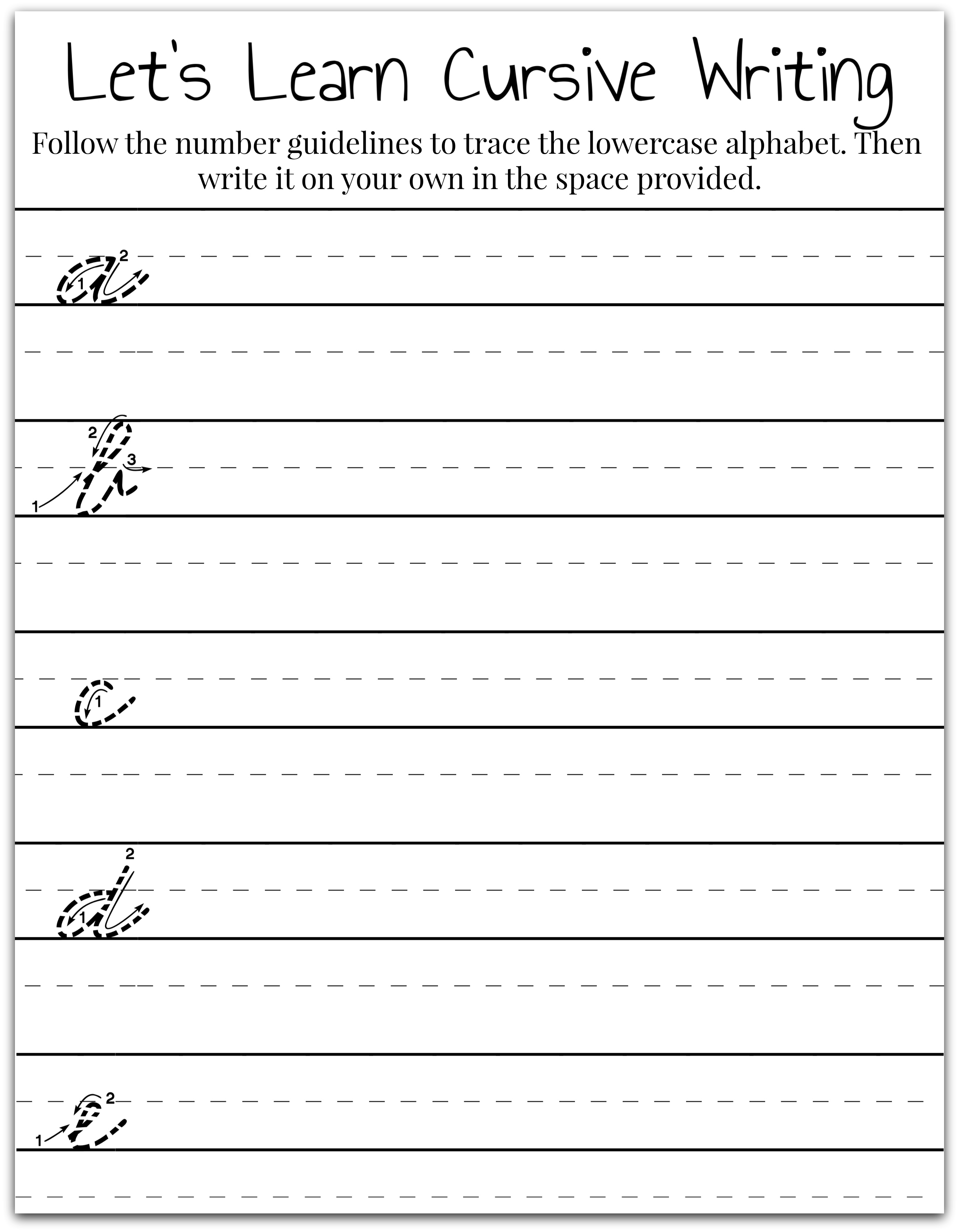
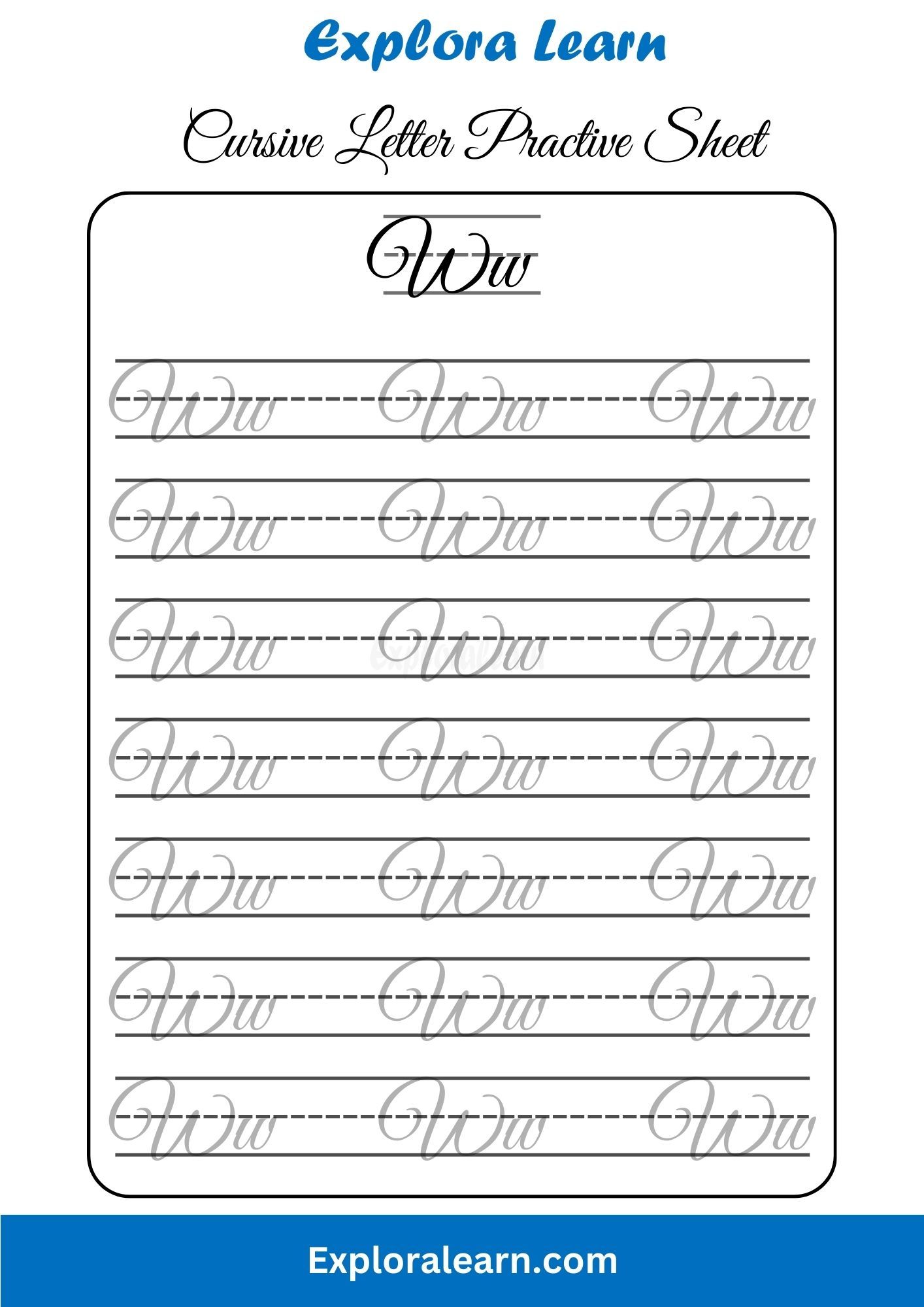
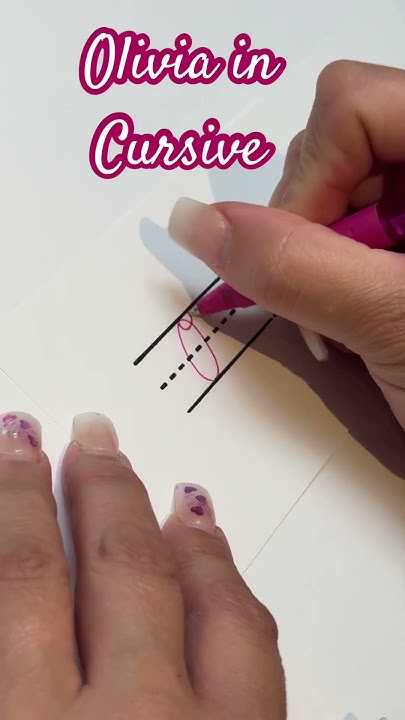
This resource focuses exclusively on the smooth, looping mechanics required to form the name Emma in connected script. It bridges the gap between basic Tracing Worksheets and advanced composition. Children must navigate the entry stroke of the uppercase E, transition seamlessly into the double humps of the lowercase m, and finish with the curved exit of the final a. Every stroke demands sustained attention to letter sequencing, directional consistency, and proper spatial awareness on the page. Mastery of these specific letter combinations lays heavy groundwork for future literacy and writing fluency.
Key Learning Outcomes
Practicing this specific layout reinforces critical fine motor skills that extend well beyond a single word. According to the American Occupational Therapy Association, engaging in targeted handwriting activities strengthens the intrinsic muscles of the hand and enhances bilateral coordination. Children refine pencil control, learn to regulate writing pressure, and internalize directional awareness. Furthermore, consistent repetition of a familiar, meaningful word like a given name accelerates letter recognition and builds long-term muscle memory. Confidence naturally blooms as messy, disconnected attempts transform into graceful, legible cursive lines.
How to Use This Worksheet
Implementation requires patience, observation, and the right writing tools. Adults should begin by demonstrating the continuous stroke motion in the air or on a large whiteboard before touching paper. It sounds simple, and that’s the point, but young learners frequently benefit from multisensory preparation like tracing textured letters with a finger. Educators can integrate this material alongside standard Name Practice Worksheets to create a balanced instructional routine. Allowing children to use varied writing utensils, such as short pencils or thick colored markers, helps accommodate different grip strengths and reduces hand fatigue during practice sessions.
Practical Tips for Parents and Teachers
Creating a low-stress environment is essential for keeping children motivated. Keep sessions brief, ideally lasting no longer than ten to fifteen minutes at a time. Watch closely for signs of fatigue, such as an overly tight grip or dropping the shoulder toward the ear. When a child struggles with the tricky connection between the double m and the final a, gently guide their hand through the motion to establish the correct rhythm. Celebrating small victories, such as executing a smooth loop on the capital letter, reinforces positive associations with writing practice. Exploring broader Worksheets can also provide complementary activities for varied learning days.
Age-Appropriate Recommendations
Introducing cursive name writing is most effective when aligned with established developmental frameworks. According to the National Association for the Education of Young Children guidelines on developmentally appropriate practice, children typically develop the necessary visual-motor integration and dexterity for cursive scripts around second grade, roughly ages seven to eight. Younger preschoolers are often still refining foundational pre-writing strokes found in dedicated Preschool Worksheets. Forcing cursive too early can cause frustration and bad habits, whereas introducing it at the optimal developmental window yields greater fluency, better postural control, and sustained enthusiasm.
Targeted fine motor interventions and structured handwriting practice significantly improve spatial organization and letter legibility in early elementary students. — American Occupational Therapy Association
Frequently Asked Questions
Navigating cursive instruction often brings up common questions regarding pacing, tools, and printing logistics. Clear guidance helps adults support young learners effectively both at home and inside bustling classroom environments.
According to Reading Rockets, explicit and systematic instruction in letter formation is a cornerstone of developing fluent, automatic handwriting skills that support overall writing composition. — Reading Rockets
Explore More Free Printable Worksheets
Expanding a child’s writing toolkit requires access to diverse, engaging resources that target every stage of motor development. Beyond specialized cursive guides, educators can incorporate thematic Letter Writing Worksheets to build vocabulary and sentence structure. Maintaining a varied collection ensures that children remain challenged and eager to learn across all developmental domains.
Developmental Milestone & Activity Table
| Development Stage | Recommended Daily Duration | Primary Learning Objective |
|---|---|---|
| Preschool & Pre-K | 10 – 15 Minutes | Pencil grip development & basic pre-stroke lines |
| Kindergarten | 15 – 20 Minutes | Letter/number formation & spatial line awareness |
| Early Elementary (Grade 1–2) | 20 – 30 Minutes | Fluency, sentence construction & neatness |
Images References