Introduction
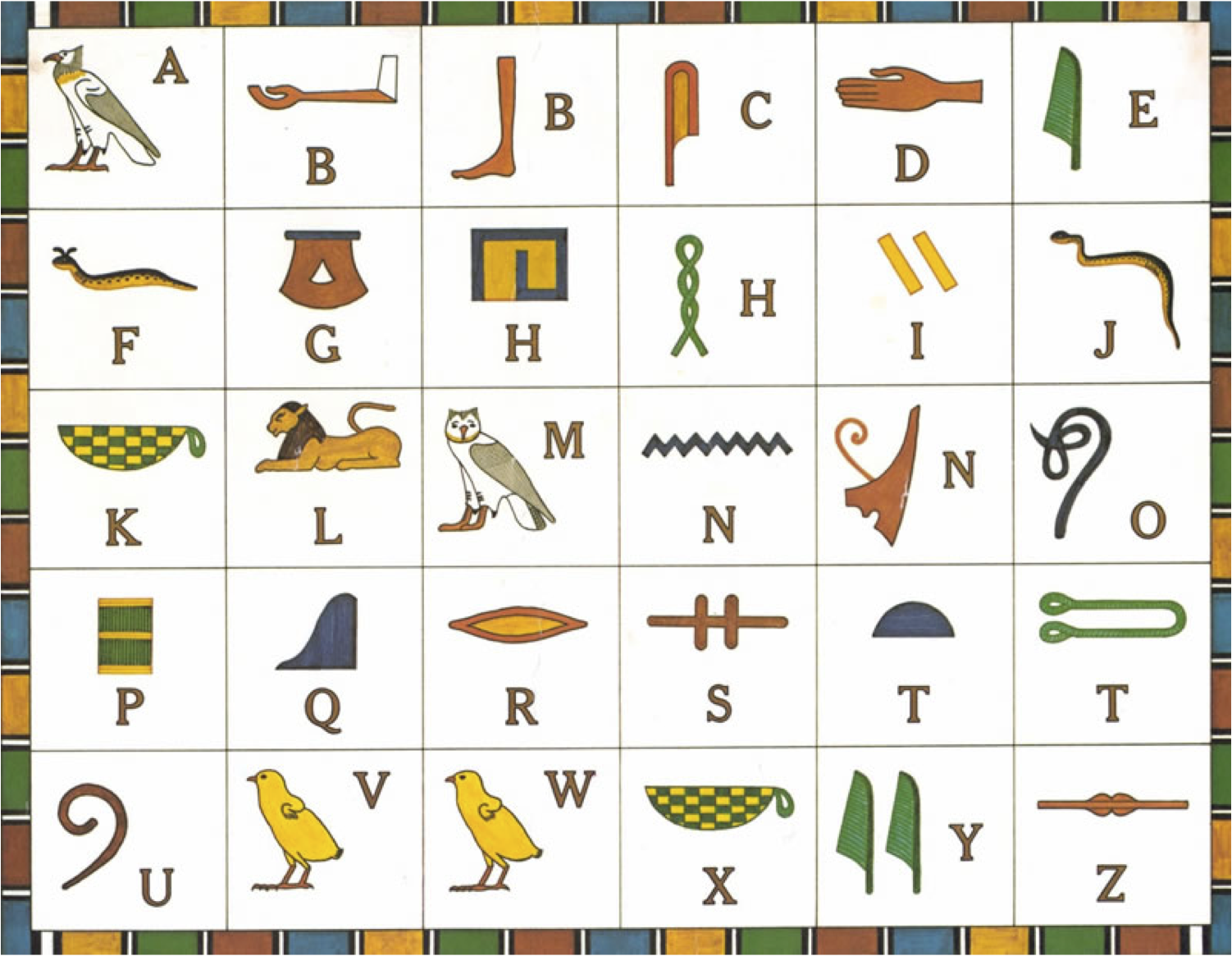
Children often stare at traditional writing drills with glazed eyes, searching for any excuse to drop the pencil. Bridging historical curiosity with foundational literacy transforms standard practice into an engaging archaeological dig. The free printable worksheet “alphabet hieroglyph counterparts” introduces young learners to ancient writing systems while reinforcing modern letter recognition. Translating modern letters into pictorial symbols captures immediate attention, turning reluctant writers into enthusiastic historians. Educators frequently observe that when children connect abstract alphabetical shapes to concrete historical pictures, cognitive fatigue vanishes. This multisensory approach builds essential hand control without the boredom of repetitive loop drills found in standard Worksheets.
💡 Educational Key Takeaways:
- Core Skill: Structured Alphabet Hieroglyph Counterparts focused on developing pencil grip, stroke control, and early literacy/math confidence.
- Target Scope: Suited for homeschoolers, preschool, kindergarten, and elementary learners.
- Best Recommendation: Practice 10–15 minutes daily with ergonomic writing tools to reinforce muscle memory without hand fatigue.
What This Worksheet Covers
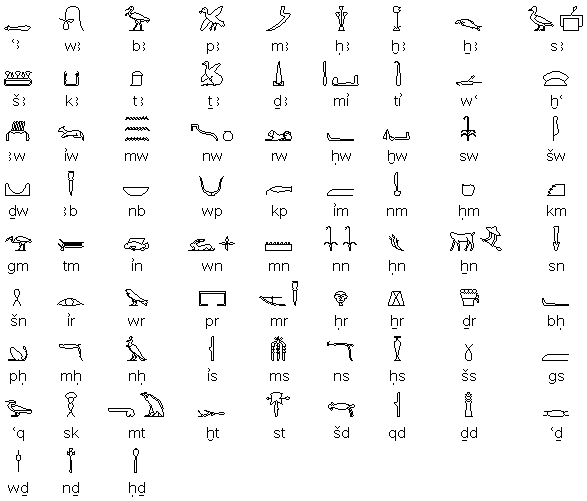
Delving into ancient Egyptian writing mechanics requires precise visual-spatial processing and steady pencil control. Learners match modern English characters to their ancient pictorial equivalents, analyzing subtle curves and straight lines. It sounds simple, and that’s the point. Stripping away the pressure of conventional paragraph composition allows children to focus entirely on stroke accuracy and spatial awareness. Hand muscles work differently when replicating unique hieroglyphic shapes compared to standard manuscript writing, engaging neglected intrinsic muscles. According to the American Occupational Therapy Association, strengthening these smaller hand muscles directly improves pencil manipulation, letter sizing, and writing endurance during long classroom tasks.
Key Learning Outcomes
Mastering this resource yields visible improvements in fine motor control and historical literacy. Children refine their visual discrimination skills by comparing complex pictorial details against standard letterforms. Hand-eye coordination sharpens significantly as little fingers navigate intricate lines and corners. Furthermore, building familiarity with historical alphabets lays a strong cognitive foundation for exploring diverse writing systems. Expanding foundational resources beyond basic print can be supplemented by utilizing specialized Tracing Worksheets to reinforce baseline stroke precision.
How to Use This Worksheet
Introducing the activity works best by framing the page as a secret code waiting to be cracked. Adults can model the first couple of translations on a whiteboard, emphasizing correct pencil grasp and deliberate pacing. Children observe how the hand moves smoothly across the page, maintaining proper posture and paper stabilization. Once the basic concept clicks, learners can work independently to decode secret messages or write their initials in ancient script. Integrating these creative elements often sparks broader classroom projects, which pairs wonderfully with engaging Preschool Worksheets designed for early learners.
Practical Tips for Parents and Teachers
Setting up the environment properly prevents hand fatigue and frustration during detailed drawing tasks. Shorten sessions to ten or fifteen minutes to keep engagement high and muscle tension low. Providing broken crayons or short pencils naturally encourages a functional three-point grasp by restricting the space available for improper fist holds. Watch for excessive pressure on the paper; gently remind learners that ancient scribes used a light, steady touch rather than brute force. Celebrating the unique artistic interpretations of the hieroglyphs boosts confidence, ensuring children view writing as an art form rather than a chore.
Age-Appropriate Recommendations
Tailoring expectations to developmental stages ensures children experience success without overwhelming frustration. According to developmental guidelines outlined in the NAEYC Developmentally Appropriate Practice framework, children ages five to seven thrive when bridging symbolic play with early academic concepts. Younger preschoolers benefit from coloring the larger hieroglyph outlines to build core shoulder and wrist stability. First and second-grade students can tackle the complex phonetic matching aspects, writing full translated words while paying close attention to baseline alignment and letter spacing.
Integrating multisensory historical writing tasks significantly enhances visual-spatial memory and fine motor precision in young children — American Occupational Therapy Association
Frequently Asked Questions
Clear answers regarding access, skill development, and developmental appropriateness guide adults in maximizing the benefits of this activity.
Explore More Free Printable Worksheets
Expanding a child’s writing toolkit requires a diverse selection of engaging, targeted practice materials. Exploring alternative formats helps maintain enthusiasm while targeting specific developmental milestones across different subjects. Educators and parents can easily access additional resources, such as specialized Letter Writing Worksheets, to ensure continuous progress throughout the academic year.
Developmental Milestone & Activity Table
| Development Stage | Recommended Daily Duration | Primary Learning Objective |
|---|---|---|
| Preschool & Pre-K | 10 – 15 Minutes | Pencil grip development & basic pre-stroke lines |
| Kindergarten | 15 – 20 Minutes | Letter/number formation & spatial line awareness |
| Early Elementary (Grade 1–2) | 20 – 30 Minutes | Fluency, sentence construction & neatness |
Images References