Introduction
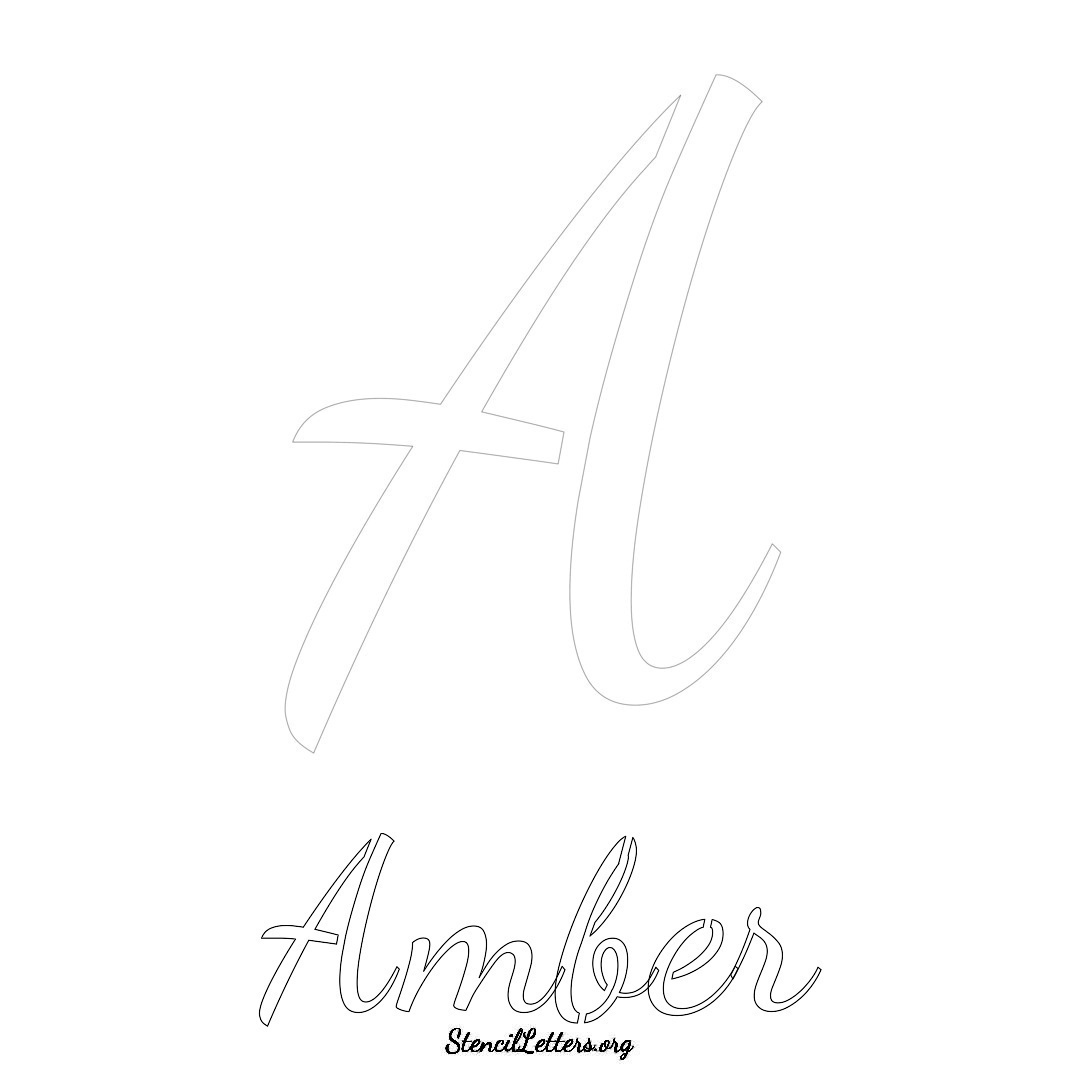
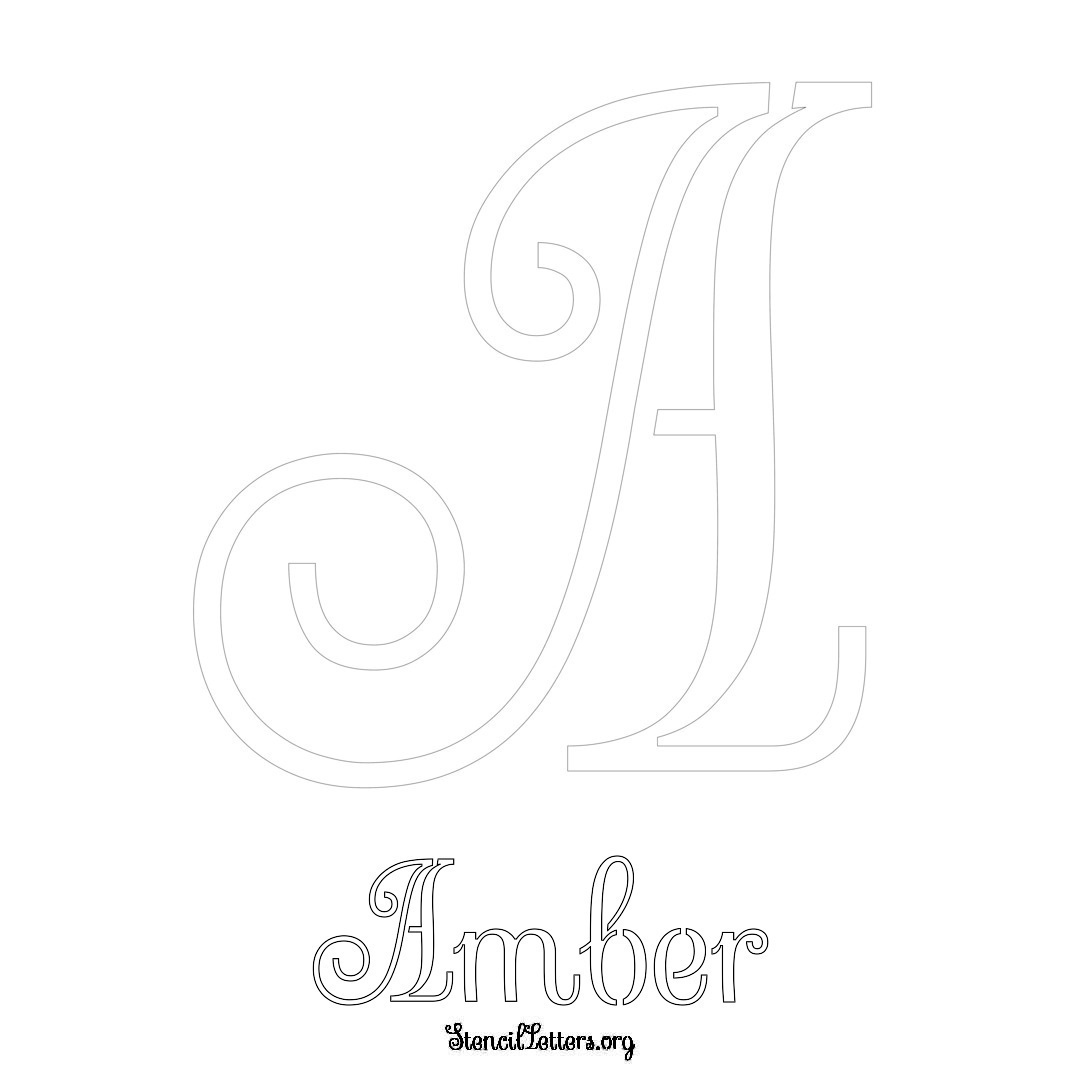
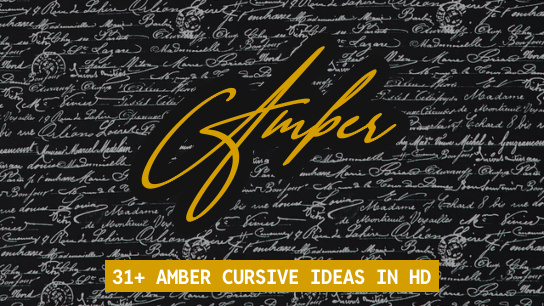
Learning to write in a flowing script represents a major milestone in early childhood education, bridging the gap between basic print and fluid daily communication. Children often watch adults write in loops and connections, eager to mimic that mature style on paper. Yet, transitioning from rigid block letters to connected handwriting requires targeted instruction, patience, and the right practice tools. The amber cursive resource provides a structured pathway for developing these advanced penmanship skills without overwhelming young learners. Classrooms and living rooms alike frequently witness the intense concentration of a child gripping a pencil too tightly, trying desperately to mirror a looping lowercase letter. According to the American Occupational Therapy Association, foundational hand strength and proper grasp patterns are essential prerequisites before introducing complex connected writing strokes to prevent early hand fatigue.
💡 Educational Key Takeaways:
- Core Skill: Structured Amber Cursive focused on developing pencil grip, stroke control, and early literacy/math confidence.
- Target Scope: Suited for homeschoolers, preschool, kindergarten, and elementary learners.
- Best Recommendation: Practice 10–15 minutes daily with ergonomic writing tools to reinforce muscle memory without hand fatigue.
What This Worksheet Covers
This specific printable focuses entirely on proper letter formation, stroke continuity, and spatial awareness within a connected script format. Young writers move away from isolated manuscript letters and begin understanding how individual symbols link together smoothly. It sounds simple, and that’s the point: mastery comes from repetition of clean, consistent patterns. Educators using Letter Writing Worksheets notice that breaking down cursive into distinct connecting strokes helps prevent common reversals and improper exits. Children learn where each letter starts on the baseline, how high the loops extend, and where the exit tail prepares the hand for the next character in the sequence.
Key Learning Outcomes
Targeted practice with this resource builds crucial neuromuscular pathways between the hand and the brain. Learners develop consistent slant, uniform letter sizing, and appropriate spacing between words. According to Reading Rockets, explicit handwriting instruction directly supports reading fluency and spelling retention by anchoring letter-sound knowledge through physical production. Children shift away from choppy, disconnected writing toward a fluid rhythm that ultimately increases writing speed and endurance as academic demands grow.
How to Use This Worksheet
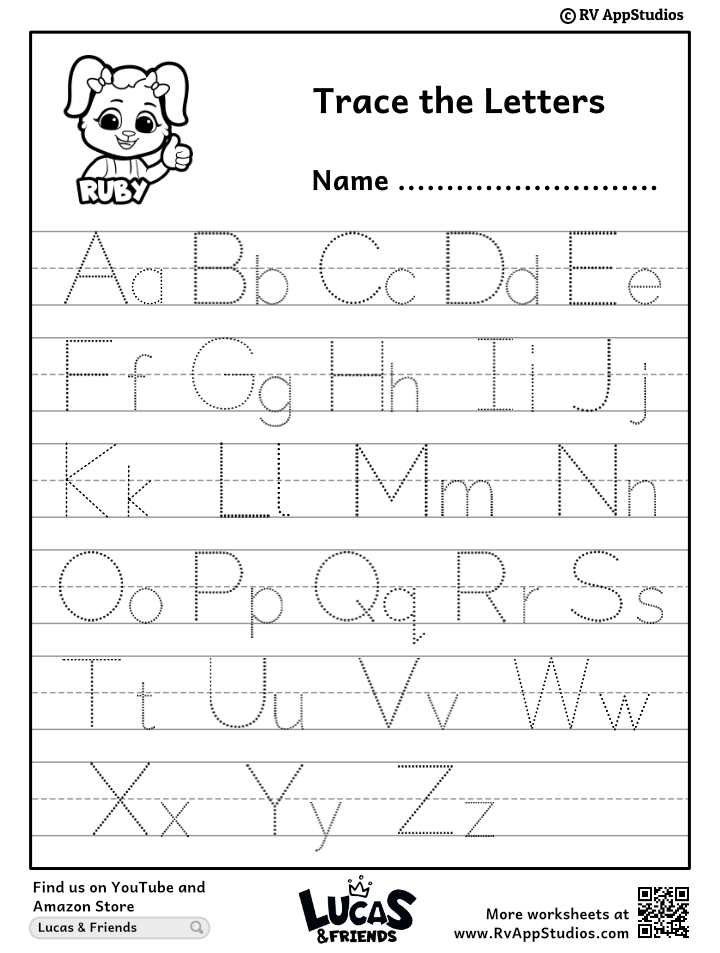
Successful implementation begins with setting up an ergonomic workspace where both feet rest flat on the floor and hips form a ninety-degree angle. Adults should guide learners to trace the model letters slowly before attempting freehand execution on blank lines. Rushing through the sheet defeats the primary neurological purpose of building muscle memory. For broader foundational skill-building alongside these writing exercises, pairing the lesson with Preschool Worksheets ensures younger children have the requisite stability and control. Observing a child’s shoulder tension during these exercises often reveals whether the writing surface is positioned at the correct height.
Practical Tips for Parents and Teachers
Keep practice sessions brief, ideally lasting no longer than ten to fifteen minutes to maintain high focus and prevent cramping. Utilizing colored pencils or markers can turn a tedious drill into an engaging art activity, encouraging children to trace the same letter multiple times in a rainbow pattern. For continuous practice with proper mechanics, exploring Tracing Worksheets provides additional opportunities to refine pencil control. Adults must monitor grip pressure carefully, intervening gently if knuckles turn white or fingers lock into an awkward posturing.
Age-Appropriate Recommendations
Introducing cursive typically aligns with second or third grade, corresponding with the Handwriting Without Tears developmental progression where children possess the necessary hand arch maturity and bilateral coordination. Expecting fluent cursive execution from younger kindergarteners often leads to frustration because the small intrinsic hand muscles remain underdeveloped. Educators should assess individual readiness rather than relying strictly on chronological age, ensuring the child demonstrates reliable manuscript letter formation and steady baseline adherence first.
Explicit handwriting instruction enhances neurological letter representation and improves overall written expression output — Reading Rockets
Frequently Asked Questions
Find answers below regarding printing, fine motor integration, and evidence-based handwriting standards for young children.
Explore More Free Printable Worksheets
Expanding an early childhood curriculum requires a diverse mix of skill-building materials tailored to various developmental stages. Exploring the broader collection of Worksheets offers endless avenues for reinforcing literacy, penmanship, and creative expression. Ensuring a well-rounded approach to fine motor development also means incorporating resources focused on personalization, such as Name Practice Worksheets, which build immediate personal connection and pride in written output.
Developmental Milestone & Activity Table
| Development Stage | Recommended Daily Duration | Primary Learning Objective |
|---|---|---|
| Preschool & Pre-K | 10 – 15 Minutes | Pencil grip development & basic pre-stroke lines |
| Kindergarten | 15 – 20 Minutes | Letter/number formation & spatial line awareness |
| Early Elementary (Grade 1–2) | 20 – 30 Minutes | Fluency, sentence construction & neatness |
Images References