Introduction
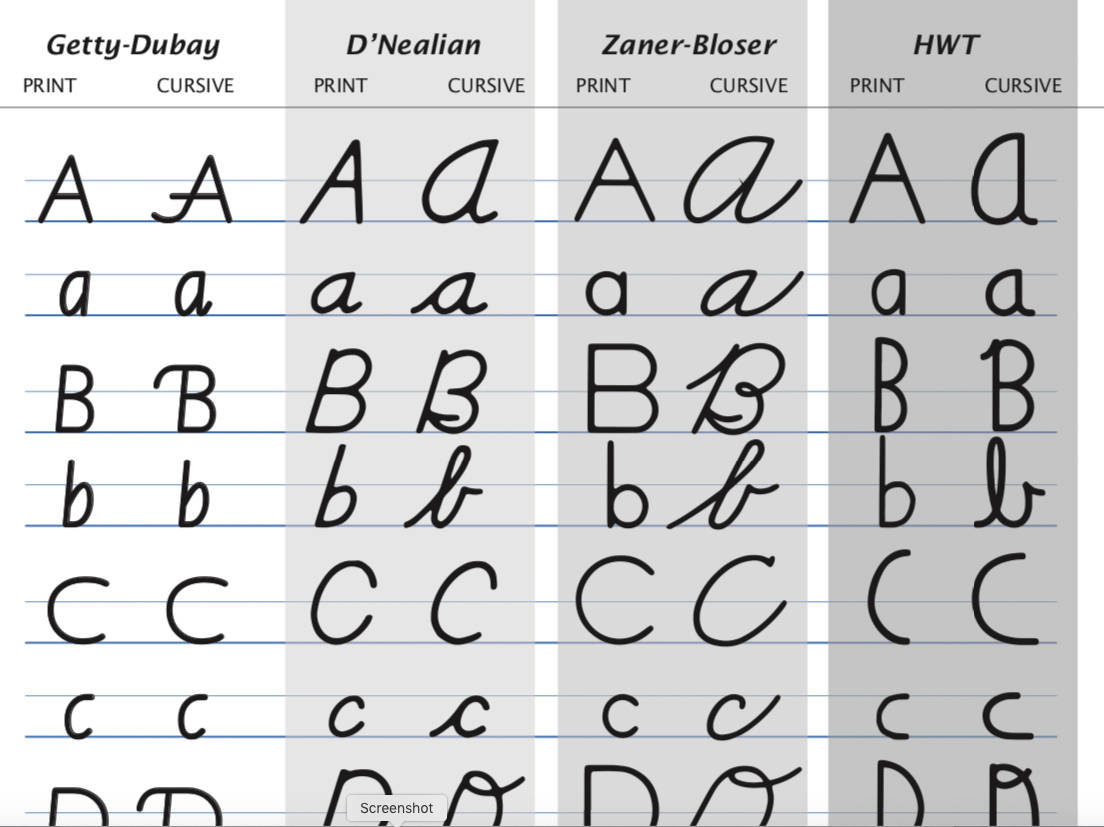
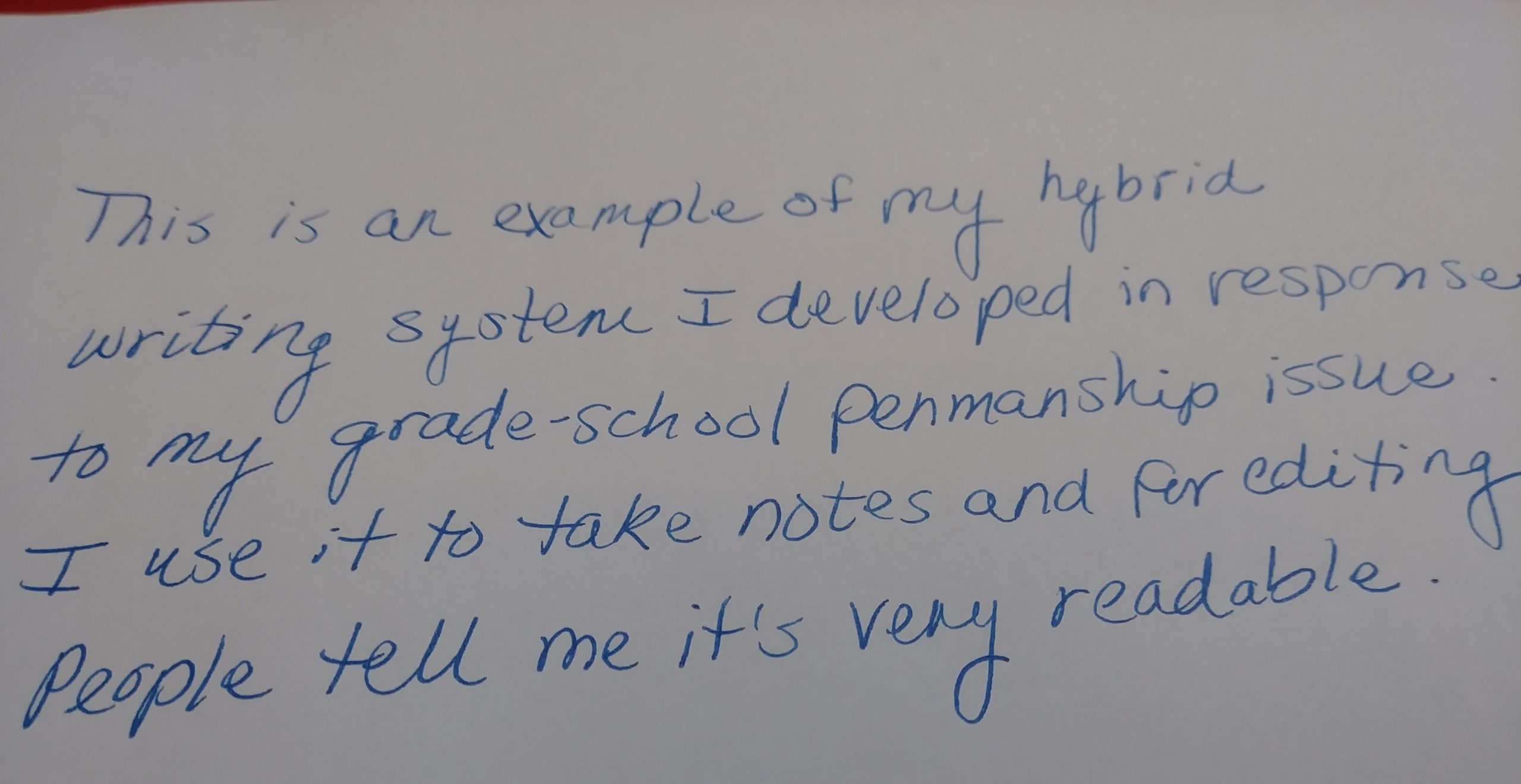
Bridging the gap between block print and fluid cursive often feels like an abrupt transition for young writers. Children master individual manuscript letters only to face an entirely new set of rules when learning connected handwriting. The print-cursive hybrid approach solves this friction by introducing transitional letterforms that retain the familiarity of print while incorporating the smooth entry and exit strokes of cursive. It sounds simple, and that’s the point. By integrating these hybrid shapes into daily practice, educators and caregivers help children build the muscle memory required for efficient, legible, and eventually rapid writing without the frustration of unlearning old habits.
💡 Educational Key Takeaways:
- Core Skill: Structured Print-Cursive Hybrid focused on developing pencil grip, stroke control, and early literacy/math confidence.
- Target Scope: Suited for homeschoolers, preschool, kindergarten, and elementary learners.
- Best Recommendation: Practice 10–15 minutes daily with ergonomic writing tools to reinforce muscle memory without hand fatigue.
What This Worksheet Covers
This resource focuses on transitional letter construction, smooth baseline connections, and consistent slant. Rather than forcing a sudden leap into full loops and tails, the layout guides the hand through modified letterforms that feature gentle lead-in and lead-out strokes. Children observe how letters naturally flow into one another, reducing the cognitive load typically associated with cursive instruction. Many young learners grip pencils with excessive tension when faced with unfamiliar writing styles, but these hybrid paths encourage a more relaxed, continuous motion. Mastery of these transitional shapes directly supports broader foundational skills found across various Letter Writing Worksheets.
Key Learning Outcomes
Working through these hybrid characters strengthens intrinsic hand muscles and refines bilateral coordination. Visual-motor integration improves as children track the continuous line rather than lifting the writing utensil after every single stroke. According to the American Occupational Therapy Association, foundational fine motor control and visual-motor skills are critical predictors of academic participation and writing fluency in elementary school. Additionally, rhythmic stroke patterns foster sustained attention and pencil control, which enhances overall dexterity. These benefits lay the groundwork for success when exploring more advanced Tracing Worksheets later on.
How to Use This Worksheet
Implementation requires a balance of guided instruction and independent exploration. Begin by demonstrating the entry stroke in the air, exaggerating the movement so children can visualize the continuous flow before touching paper. Allow time for finger-tracing over the larger models on the page to engage proprioceptive feedback. It sounds simple, and that’s the point: physical rehearsal primes the central nervous system for accurate pencil execution. When transitioning to the writing utensils, monitor grip posture to ensure the hand remains relaxed.
Practical Tips for Parents and Teachers
Observation in the classroom reveals that children often rush through transitional strokes, leading to poor spacing and erratic slant. Setting a calm pace works wonders. Use verbal cues like “slide, swoop, and glide” to match the rhythm of the hybrid strokes. Limit sessions to short, ten-minute blocks to prevent hand fatigue and maintain high engagement. If a child begins pressing too hard, pause the session for a quick hand-stretching break before returning to the task. Pairing this practice with engaging Coloring Worksheets helps build the underlying hand strength necessary for sustained writing comfort.
Age-Appropriate Recommendations
Introducing print-cursive hybrid lettering aligns best with late second grade or early third grade, once children have firmly established manuscript formation. According to the National Association for the Education of Young Children and developmentally appropriate practice guidelines, writing instruction should match the physical and cognitive readiness of the child rather than relying on strict age cutoffs alone. Educators should assess whether students can maintain consistent letter size and baseline adherence in standard print before introducing hybrid connection strokes. For younger learners who are still developing basic letter recognition, exploring foundational Preschool Worksheets remains the most appropriate starting point.
Foundational fine motor control and visual-motor integration are critical predictors of academic participation and writing fluency in elementary school. — American Occupational Therapy Association (AOTA)
Frequently Asked Questions
Finding the right approach to handwriting can raise several questions for educators and parents navigating early literacy milestones. Reviewing these common inquiries ensures optimal support for developing writers.
Children who develop automaticity in letter formation free up cognitive capacity for higher-level creative writing and composition. — Reading Rockets
Explore More Free Printable Worksheets
Expanding a child’s writing toolkit requires access to diverse, high-quality practice materials that target specific developmental milestones. Beyond transitional handwriting, continuous practice across multiple domains ensures comprehensive fine motor growth. Discover a wide selection of free resources designed to support every stage of early education by exploring the complete collection of Worksheets available for immediate classroom and home use.
Developmental Milestone & Activity Table
| Development Stage | Recommended Daily Duration | Primary Learning Objective |
|---|---|---|
| Preschool & Pre-K | 10 – 15 Minutes | Pencil grip development & basic pre-stroke lines |
| Kindergarten | 15 – 20 Minutes | Letter/number formation & spatial line awareness |
| Early Elementary (Grade 1–2) | 20 – 30 Minutes | Fluency, sentence construction & neatness |
Images References