Introduction
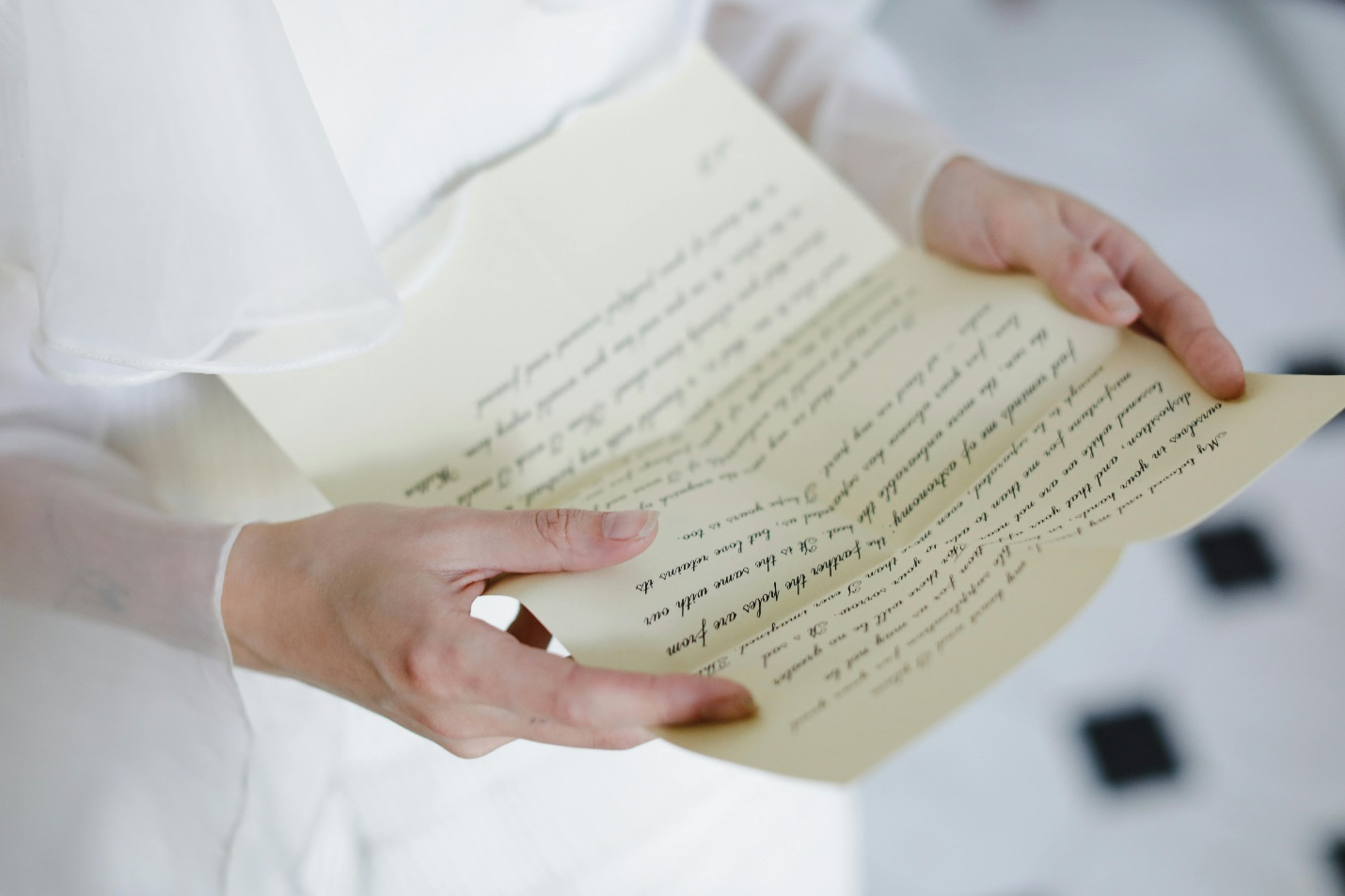
Bridging the gap between manuscript printing and fluid cursive writing presents a fascinating neurological and physical challenge for young learners. Children often hit a transitional phase where standard block letters feel too rigid, yet full cursive remains entirely out of reach due to immature hand arch development. Observing a desk full of seven-year-olds attempting this shift reveals tight knuckles, white-knuckled pencil grasps, and occasional frustration. Introducing a targeted transitional tool changes the trajectory completely by easing the wrist into continuous motion without demanding instant mastery of loops and tails. Educators and occupational therapists frequently notice that mixing print with flowing connections builds the intrinsic hand muscles required for sustained writing stamina. Exploring dedicated Letter Writing Worksheets offers structured pathways to help students navigate this exact developmental crossroads with confidence and ease.
💡 Educational Key Takeaways:
- Core Skill: Structured Half Print Half Cursive focused on developing pencil grip, stroke control, and early literacy/math confidence.
- Target Scope: Suited for homeschoolers, preschool, kindergarten, and elementary learners.
- Best Recommendation: Practice 10–15 minutes daily with ergonomic writing tools to reinforce muscle memory without hand fatigue.
What This Worksheet Covers
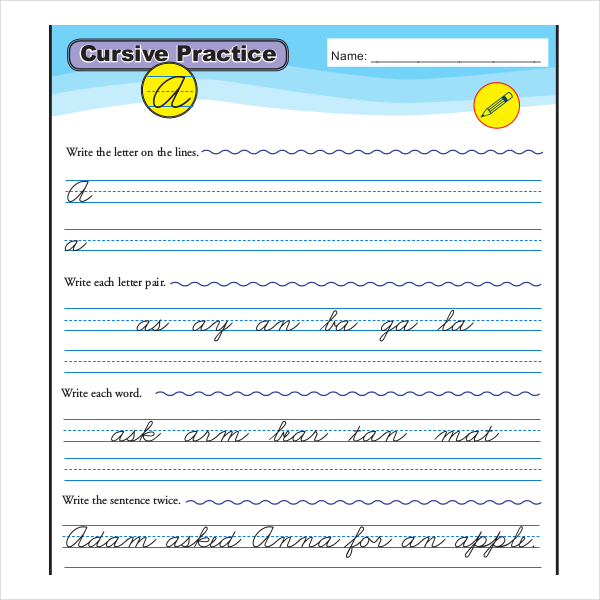
The free printable worksheet “half print half cursive” intentionally blends manuscript stroke patterns with emerging cursive connectivity. Every section guides the hand to recognize how baseline anchor points shift when moving from discrete shapes into flowing words. Children practice stabilizing the paper with their non-dominant hand while orchestrating the delicate dance of visual-motor integration across the page. It sounds simple, and that’s the point, yet the underlying cognitive load requires high levels of executive functioning and spatial awareness. According to the American Occupational Therapy Association, fine motor proficiency heavily relies on foundational upper body stability and proximal joint control, which this specific layout gently supports.
Key Learning Outcomes
Mastering dual-alphabet layout strategies yields profound improvements in overall writing fluency and directional consistency. Students learn to analyze letter anatomy, distinguishing between upright vertical lines and slanted transitional connectors. Visual tracking improves dramatically as eyes scan across mixed-style sentences without losing their place on the baseline. Furthermore, building dexterity through diverse printing formats reinforces letter recall, ensuring that orthographic mapping stays strong in the brain. For younger children establishing early patterns, exploring comprehensive Preschool Worksheets sets the crucial stage for later cursive readiness.
How to Use This Worksheet
Successful implementation begins with setting up an ergonomic workstation where feet rest flat on the floor and the desk sits at elbow height. Adults should guide learners to complete the printed segments with deliberate, controlled strokes before attempting the connected cursive segments. Here’s what makes this worksheet different: it forces the hand to adapt mid-sentence, teaching adaptive motor planning in real time. Observing children in the classroom usually shows that short, ten-minute focused bursts yield far better results than exhausting hour-long marathons. Pairing this activity with foundational Tracing Worksheets helps build the precise pencil control necessary for smooth transitions.
Practical Tips for Parents and Teachers
Encouraging a dynamic tripod grasp prevents early hand fatigue during extended writing sessions. If a child begins wrapping their thumb over the pencil shaft, gently sliding a small object like a crumpled tissue or small eraser into their palm can instantly correct the grip. Educators find that placing a vertical slant board beneath the paper naturally promotes the wrist extension needed for fluid cursive connections. Celebrations of small victories—such as a particularly smooth transitional tail—reinforce positive associations with handwriting practice. When children want to personalize their practice pages, integrating Name Practice Worksheets keeps engagement remarkably high.
Age-Appropriate Recommendations
Introducing dual-style writing aligns closely with the National Association for the Education of Young Children Developmentally Appropriate Practice guidelines, which emphasize building on existing physical capabilities rather than forcing premature tasks. Typically, children around second grade possess the refined bilateral coordination and intrinsic hand muscle strength required to manage mixed scripts successfully. Pushing these complex visual-motor demands onto five-year-olds often triggers undue muscle tension and grip regressions. Educators should evaluate individual readiness by observing a child’s ability to maintain a functional grasp and copy simple shapes from a distance before introducing hybrid print-cursive materials.
Fine motor proficiency directly correlates with early academic success, requiring coordinated hand-eye skills, muscle strength, and sensory processing. — American Occupational Therapy Association
Frequently Asked Questions
Caregivers often have questions regarding the implementation of transitional handwriting resources. The answers below address the most common inquiries regarding formatting, skill levels, and developmental milestones to ensure optimal learning outcomes for every child.
Explore More Free Printable Worksheets
Expanding a child’s writing toolbox requires access to a diverse library of skill-building printables designed for varying developmental stages. Reviewing the entire collection of available Worksheets ensures learners receive targeted support across every domain of early literacy and motor development. Combining these hybrid writing exercises with supplementary Coloring Worksheets provides a well-rounded approach that strengthens grip endurance and hand control simultaneously.
Developmental Milestone & Activity Table
| Development Stage | Recommended Daily Duration | Primary Learning Objective |
|---|---|---|
| Preschool & Pre-K | 10 – 15 Minutes | Pencil grip development & basic pre-stroke lines |
| Kindergarten | 15 – 20 Minutes | Letter/number formation & spatial line awareness |
| Early Elementary (Grade 1–2) | 20 – 30 Minutes | Fluency, sentence construction & neatness |
Images References